
11 June 2026 · Little Rei
Fall Crafts Inspired by Nature
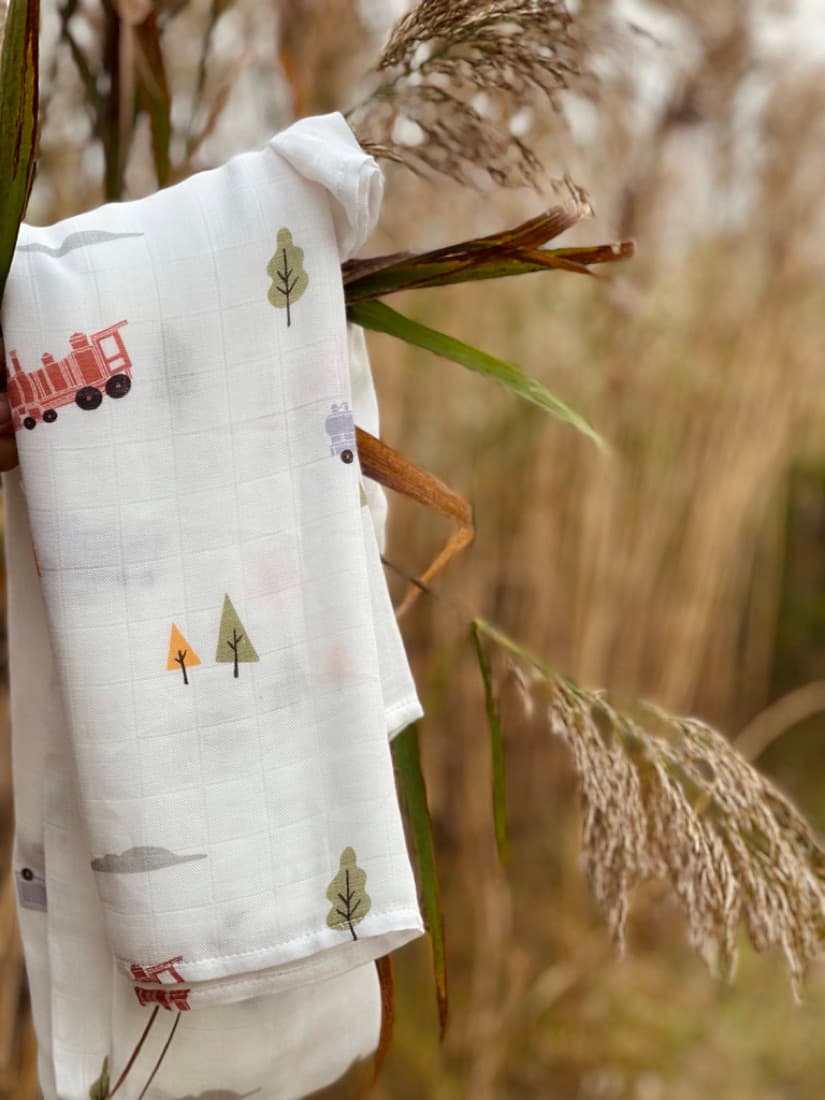
Autumn runs roughly September to November in the northern hemisphere and March to May in the southern, so take every reference below as keyed to the season rather than the month. The advantage of nature crafts over the bought kind is that the materials are free, unlimited, different every week, and gathered on a walk that is itself the better half of the activity.
What can you actually make with a baby?
Under one, the craft is the collecting. A baby's version of a nature craft is holding a leaf, being shown a conker, hearing the noise a handful of dry leaves makes. Anything glued is for the adult. From about eighteen months the child starts contributing, and by three they are directing it.
- Leaf printing — brush washable paint onto the underside of a leaf where the veins stand out, press onto paper, lift. The single best autumn craft for small children: no precision, dramatic result.
- Bark and leaf rubbings — paper over the surface, a fat crayon on its side. Works from about two, and works on anything textured.
- A nature collage — glue whatever came home onto a sheet of card. The gluing is the toddler's job; the arranging is nobody's.
- Nature weaving — a cardboard frame with string wound across it, and the child threads leaves, grasses and feathers through. Good fine-motor work from about three.
- Pressed leaves — between paper under a stack of books for a fortnight, then taped to a window where the light comes through.
- A sensory tray of dry leaves, conkers, acorns and pine cones — supervised, and only for children well past putting everything in their mouths.
- A stick-and-wool wand or a hanging mobile, assembled by an adult from things the child chose.
- A colour hunt — collect one leaf of every colour you can find, then lay them out from lightest to darkest. Sorting is deeply satisfying to toddlers.
What is safe to bring indoors?
Most of it, with a few real exceptions. The risks are choking, poisoning and the occasional passenger.
- Conkers, acorns, small pine cones, seeds and berries are all choking hazards for under-threes, and several are toxic if swallowed. Collect them by all means; keep them off the floor and out of reach.
- Do not eat or taste anything foraged with a small child unless you are certain what it is. Some common autumn berries and mushrooms are seriously poisonous, and a toddler's default is to test by mouth.
- Wash hands after handling anything found outdoors, before eating. This matters more than the craft.
- Shake and inspect leaves before they come inside — insects, and in some regions ticks.
- Avoid anything spiky or splintering for babies: hawthorn, holly, rough bark, split sticks.
- Skip glitter, googly eyes, pompoms and hot glue with under-threes. Washable paint and glue sticks cover everything on this list.
How do you make the walk the activity?
Give it a container and a job. A paper bag and a single instruction — find five things that are red, find something rough, find the biggest leaf — converts an aimless walk that a toddler refuses into a purposeful one they lead. It also solves the pace problem: a toddler walk is slow because they are looking at things, so make the looking the point.
Take the same walk repeatedly through the season and it becomes something better than a craft. Children notice change when they have a baseline, and a tree visited weekly from green through to bare is a more legible lesson in seasons than any picture book.
What do you do with the results?
Photograph and discard most of it, honestly. Nature crafts decompose — leaves crumble, conkers shrivel, the collage sheds. Keep one or two, date them on the back, and let the rest go back to the garden or the compost. A pressed leaf taped to a window and a photograph of the child holding the collage will outlast the collage by twenty years.
One thing worth keeping properly: a leaf print or a rubbing on decent paper survives, unlike anything glued. If you want a single artefact per autumn, make it that.
Questions parents ask
What autumn crafts can toddlers do?
Leaf printing with washable paint, bark and leaf rubbings with a crayon on its side, nature collages, simple weaving through a cardboard frame, and pressing leaves for a window. All work without precision, which is what makes them suitable.
Are conkers and acorns safe for toddlers?
They are choking hazards for under-threes and several are toxic if swallowed. They can be collected and handled with supervision, but should be kept off the floor and out of reach, and hands washed afterwards.
How do I do a nature craft with a baby?
For under-ones the collecting is the craft — holding a leaf, hearing dry leaves, being shown a pine cone. Anything glued or assembled is the adult's job. Children start genuinely contributing at around eighteen months.
When is autumn for nature crafts?
Roughly September to November in the northern hemisphere and March to May in the southern. The crafts are keyed to what you can find outdoors rather than to a particular month.