

Bamboo vs Cotton Muslin Swaddles: Which Is Better for Singapore's Weather?
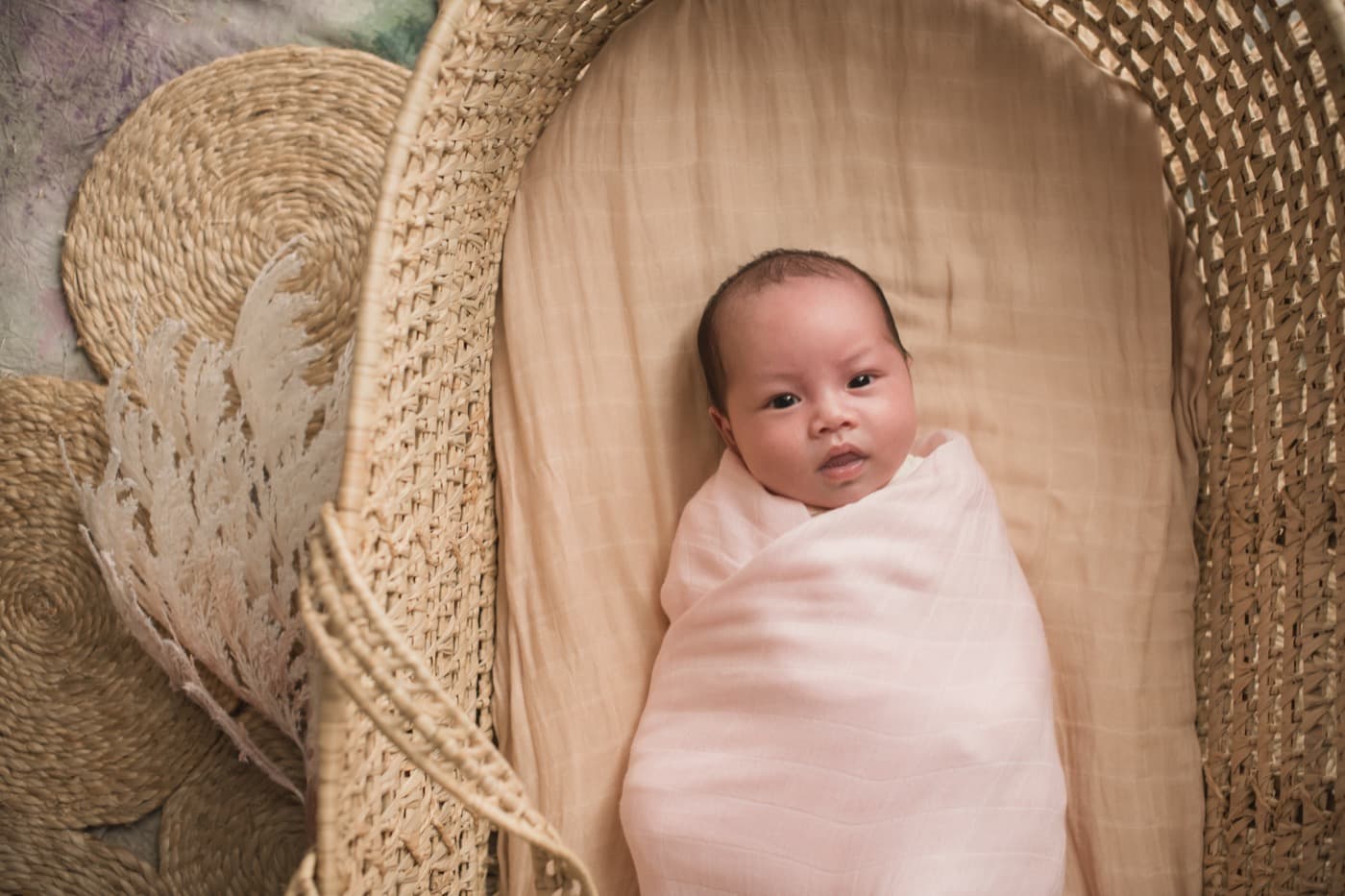
Every nursery in Singapore has the same debate: bamboo or cotton. Both make a lovely muslin. Both look good in a bassinet. Only one suits a climate that stays warm all through your baby's first year.
We aren't neutral. We chose bamboo and built a brand on it. Our reasons are about how the fabric behaves, and you can test each one on your own skin before your baby's.
The real difference
Muslin is the weave (open, gauzy, airy), not the fibre. Cotton muslin is spun from cotton, and bamboo muslin from bamboo rayon, a fibre made from bamboo pulp. The weave makes both breathable. The fibre decides the rest.
| Bamboo rayon | Cotton | |
|---|---|---|
| Hand feel | Rounder fibre; silky, cool to touch | Crisper, slightly textured |
| Moisture | Wicks faster, holds more before feeling damp | Absorbs, then feels damp sooner |
| Humid night | Carries sweat away from the skin | Can hold it against the skin |
| After washing | Softens further each wash | Can rough up and thin at fold lines |
| Drape | Heavier, closer, tucks securely | Lighter, springier |
| Drying on a rack | Dry by morning | Slower in high humidity |
Bamboo rayon fibres are rounder than cotton, so the fabric feels silky and almost cool. It moves sweat away faster and soaks up more before it feels damp. On a humid night that can mean a baby who sleeps instead of one who wakes up clammy.
Which suits the heat and the air-con
For Singapore, bamboo. Cotton works, but bamboo copes with more heat. In a cool nursery the two are close. At 85 per cent humidity, with a newborn who runs warm as they all do, the difference shows: put your hand on the back of a cotton-swaddled neck at 3am and it's often damp. Bamboo gives you a few more degrees before that happens. Air-con is a question of layers. A bamboo swaddle over a light onesie works for a cold room at night. The same swaddle on its own works for a fan-only afternoon nap. One fabric covers both.
Mentioned above
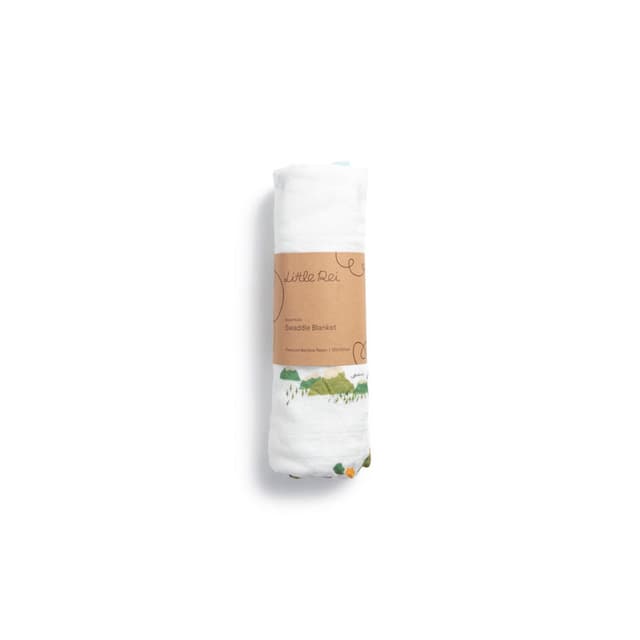
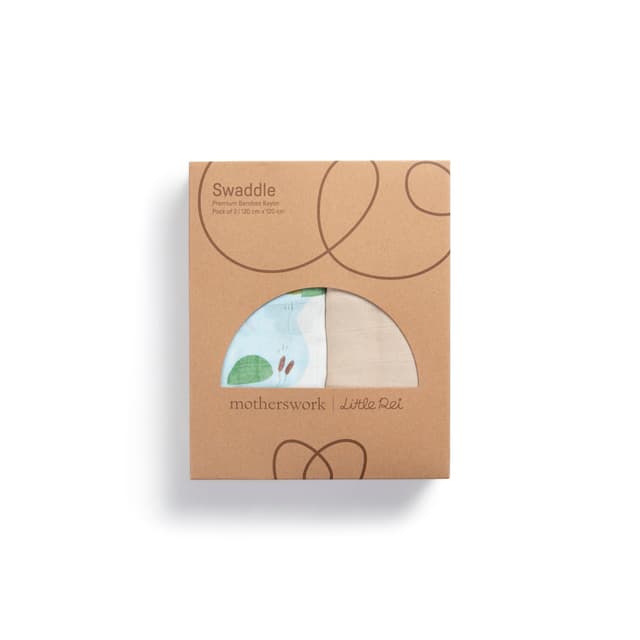
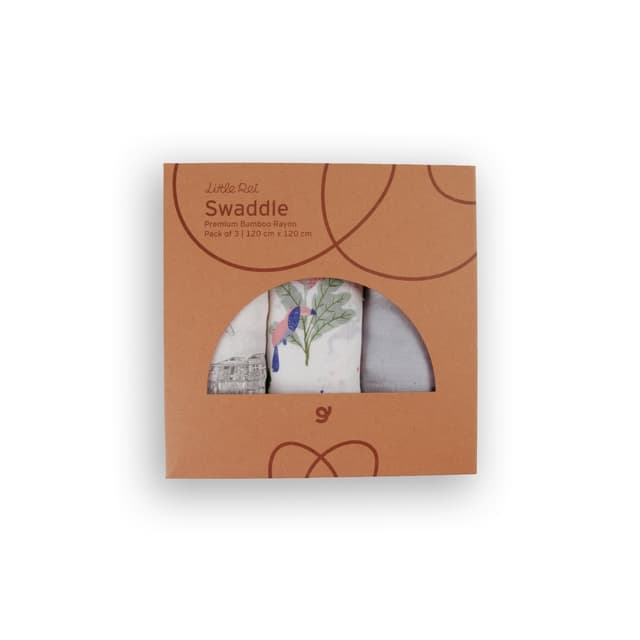 Bamboo Swaddles (3pc)S$69.00Sold out
Compare cost per use, not price
Bamboo muslin costs more per square than cotton. But comparing shelf prices misleads, because you'll use each square several hundred times.
The figures below were checked in August 2026 and will change. The method won't: divide the price by the number of uses, not the number of squares.
| Cotton muslin | Bamboo muslin | |
|---|---|---|
| Position on price | Lower per square | Typically 30-60% more |
| Realistic working life | 200+ washes, stiffens over time | 200+ washes, softens over time |
| What ends its life | Thinning, and going scratchy | Thinning, usually while still soft |
| Uses beyond swaddling | All of them | All of them |
| Drying time in this humidity | Slower | Faster, which matters here |
| The sum that matters | Price ÷ number of uses | Price ÷ number of uses |
Do that and the gap shrinks a lot, because both last about as long and you use them so often. What decides it here is drying time. A square that's dry by evening gets used again. A square still damp doesn't. So you need fewer bamboo ones to cover the same week.
Cotton is fine for the squares that get the roughest use: mopping the floor, a pram sheet, the one that lives in the car. Keep bamboo for what touches her face and skin, since that's what you're paying for.
Buy 6 to 8 of whatever you choose. Both are cheap per use, and the commonest regret in this category is owning 4. Ours was 5, I think, and we still ran out.
Using the swaddle
Safety and sustainability
Ours is OEKO-TEX certified, which means it's tested free of substances you wouldn't want near a newborn's mouth. That counts, because a swaddle spends about half its life being chewed.
Bamboo grows metres in a season without irrigation or replanting, which is one reason we chose it.
2 caveats. Bamboo rayon is a processed fibre, and a badly made one can be flimsy, so the fabric weight and finish tell you more than the word bamboo on a label. And cotton copes a little better with hot tumble-drying. Don't do that to either.
Mentioned above
The verdict
If your nights are air-conditioned to 18 degrees and your baby runs cool, a good cotton muslin will serve you fine.
For everyone else here, with humid naps, hawker centre afternoons and a year of daily washes, bamboo is the better choice. Start with a single swaddle in a print you love, and let your hands decide the rest.
The numbers people ask for
Is bamboo muslin cooler than cotton muslin?
Bamboo muslin draws moisture away faster and holds more before it feels damp, so it feels cooler on skin in humid weather. In Singapore, that decides it.
Do bamboo swaddles last as long as cotton?
Yes, with gentle washing. Bamboo muslin softens with every wash and doesn't roughen. Avoid hot tumble-drying for both fabrics.
Is bamboo rayon safe for newborn skin?
Choose OEKO-TEX® certified bamboo muslin, which is tested free of harmful substances. Swaddles spend much of their life against a baby's mouth.
Sources: The Lullaby Trust: Baby room temperature · OEKO-TEX: Standard 100 product classes
This guide is general information, written to help you understand a topic and ask better questions. It is not medical advice and does not replace your own doctor, midwife or paediatrician. Anything that worries you about your baby belongs with them.
Also priced
← More on sleepAll 189 guidesShop: Bamboo swaddles and muslins →