

15 July 2026 · Veronica Chi
Business & Product Director · Mother of two
What Is OEKO-TEX® and Why Should You Care as a Parent?
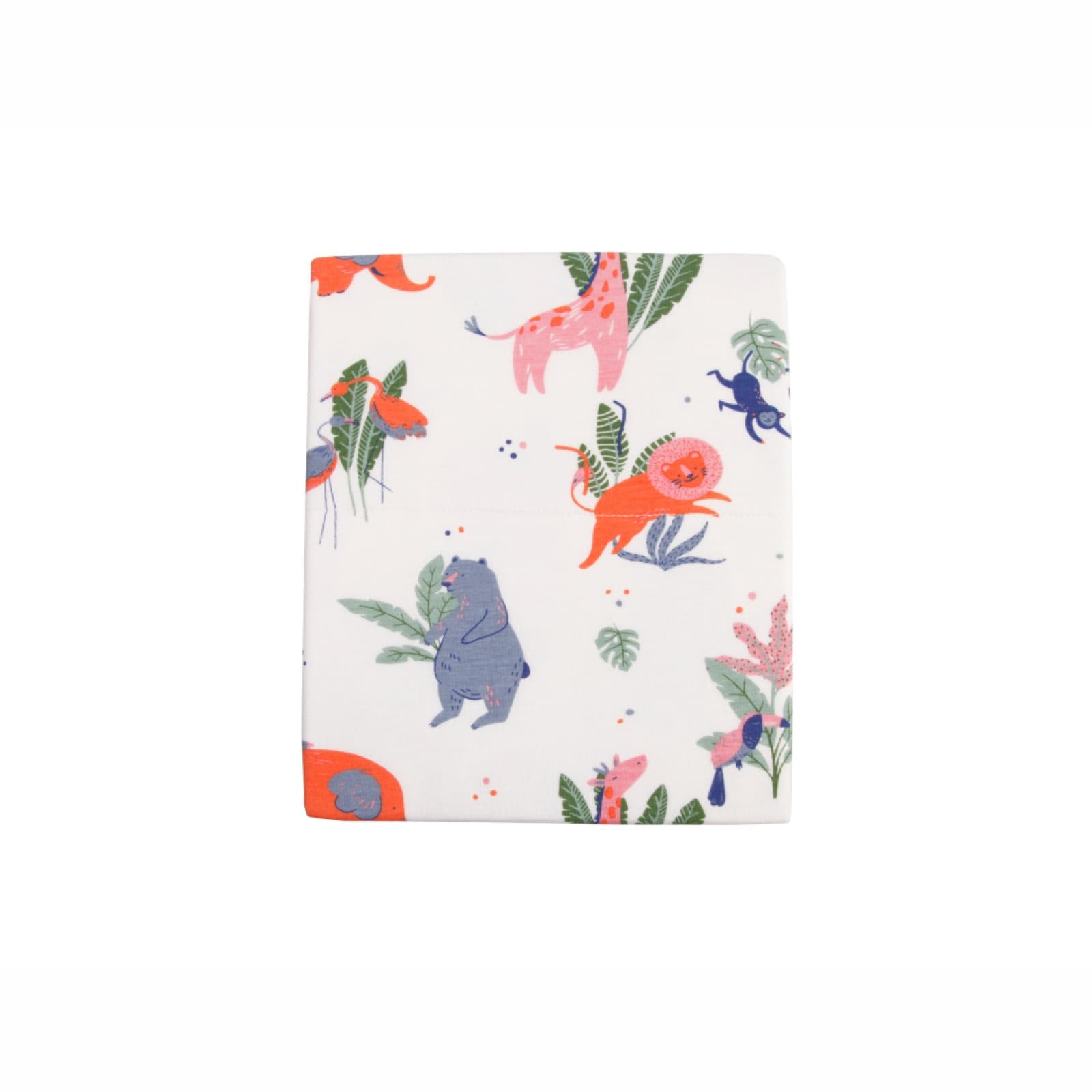
Certification is the part of my job that sounds dullest and counts most. I sit with the test reports, so let me tell you what this label does and doesn't promise, including the parts that are less flattering to us. Turn over almost any fine baby textile and there it is, a small label reading OEKO-TEX, easy to pass over between the washing instructions and the size, and of all the claims sewn into a garment's tag this one isn't the brand speaking. OEKO-TEX is an independent testing and certification system for textiles, run by a network of research institutes across Europe and Asia since 1992. A third party puts fabric through a laboratory and publishes what it finds.
What does OEKO-TEX Standard 100 test?
The certification you'll meet most often is OEKO-TEX Standard 100, and its defining word is every: every component of a certified product has been tested for harmful substances, the face fabric and everything else. The thread. The buttons. The zips, the elastic, the prints, the dyes.
Laboratories screen for hundreds of substances, including some that remain legal yet sit uneasily with health: formaldehyde, certain azo dyes, pesticides and heavy metals among them. The criteria are reviewed and tightened every year as the science moves on.
What are the OEKO-TEX product classes?
Standard 100 divides into four classes, graded by how closely a textile lives against the skin. This is the part most parents are never told.
- Class I: products for babies and toddlers up to 3 years, tested to the strictest limits
- Class II: textiles worn next to the skin, such as underwear and adult bedsheets
- Class III: textiles worn away from the skin, like jackets and outerwear
- Class IV: furnishing materials such as curtains and upholstery
Class I is the most exacting of the four. Its limits are tighter because babies chew, suck and sleep face-down on their textiles, and skin this thin absorbs more of whatever it touches. Certain Class I criteria account for saliva resistance, for exactly this reason: everything, eventually, finds a baby's mouth.
Where certification matters
Why OEKO-TEX matters for baby skin
A newborn's skin barrier is still being written, so residues that would never trouble you can raise a rash on your baby, and the exposure isn't passing. A cot sheet, a blanket, a swaddle lies against her skin for most of every day and night. How much of a residue crosses a newborn's skin I'm not certain anybody has measured outside a lab, which is rather the point: the certification exists because nobody wants to find out.
Singapore adds its own consideration. Warm, damp skin absorbs more readily, so the purity of the fabric your baby sweats into counts more here than in cooler places. A rash that lingers is always a conversation for your paediatrician. Tested textiles remove one common suspect from the room.
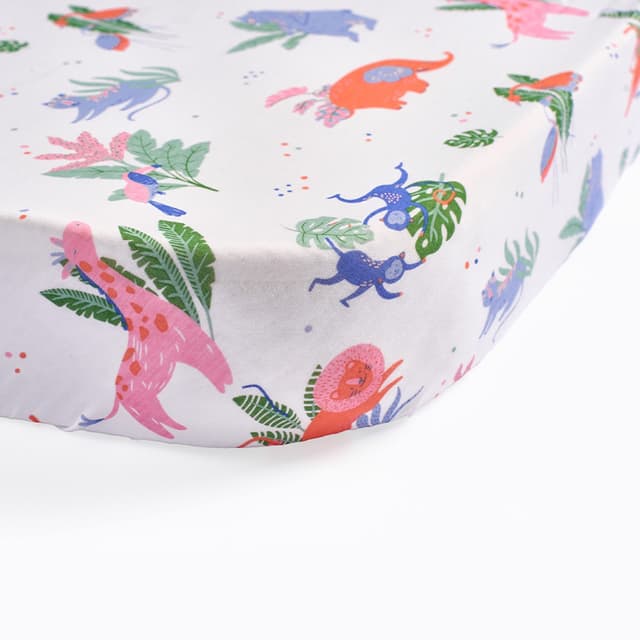
How to check a product is certified
Every genuine OEKO-TEX label has a certificate number and the name of its testing institute. Enter the number on the OEKO-TEX website's label check and the certification appears for your own eyes. A brand that says certified and can't produce a number has answered the question already.
Certificates expire after a year and are renewed only with fresh testing. A current number means recent results.
One distinction to hold onto: OEKO-TEX isn't the same as organic. Organic labels describe how the raw fibre was farmed. Standard 100 tests what's present in the finished piece you carry home, dyes and trims included. They answer different questions, and for a fabric that rests against your baby's face all night, it's the finished-product answer we care for most.
What this means when you shop
For anything that touches your baby, look for OEKO-TEX Standard 100, Class I, the words together, on the tag. Our bamboo bedding and softlines are certified because we wouldn't lay an untested fabric on our own children's cots. Ours is renewed every year, and if you ask us for the number we'll give it to you.
Mentioned above
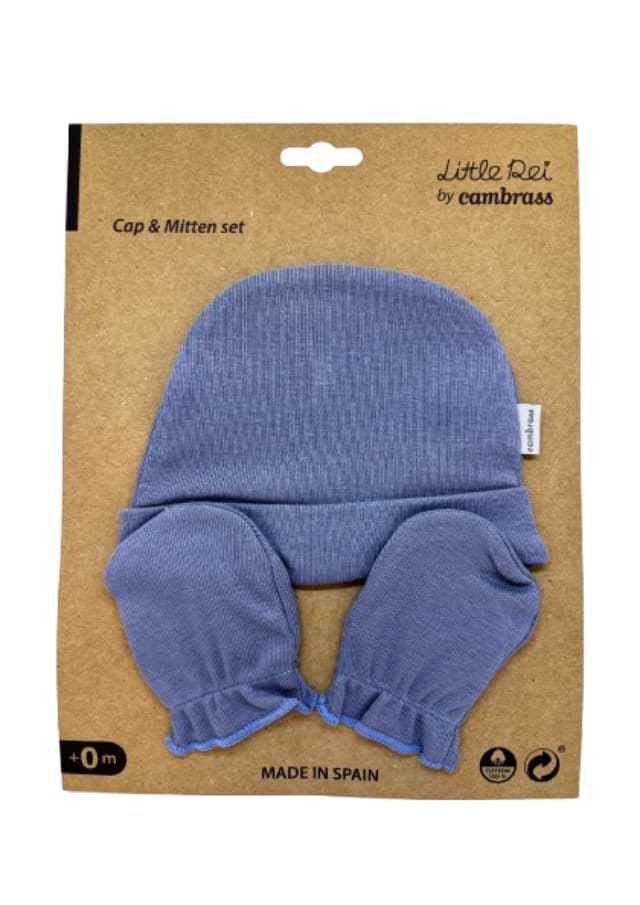 Cambrass Cap & Mitten SetS$16.90Shop now
On the specifics
What does OEKO-TEX Standard 100 mean?
It means every component of the product, from fabric to thread to buttons, has been independently laboratory-tested for harmful substances against strict annual criteria.
Which OEKO-TEX class should baby fabric carry?
Class I is the strictest product class, covering textiles for babies and toddlers up to 3 years. It applies the tightest substance limits, including saliva-resistance criteria.
Is OEKO-TEX the same as organic?
No. Organic describes how the raw fibre was grown, while OEKO-TEX tests the finished textile for harmful substances. A product can be either, or both.
How can I verify an OEKO-TEX label?
Every genuine label has a certificate number you can enter on the OEKO-TEX website's label check to confirm it is current and authentic.
Does OEKO-TEX certification expire?
Yes, certificates are valid for one year and must be renewed with fresh testing, so a valid number reflects recent laboratory results.
Sources
This guide is general information, written to help you understand a topic and ask better questions. It is not medical advice and does not replace your own doctor, midwife or paediatrician. Anything that worries you about your baby belongs with them.