

23 March 2026 · Veronica Chi
Business & Product Director · Mother of two
Is Bamboo Safe for Baby Skin?
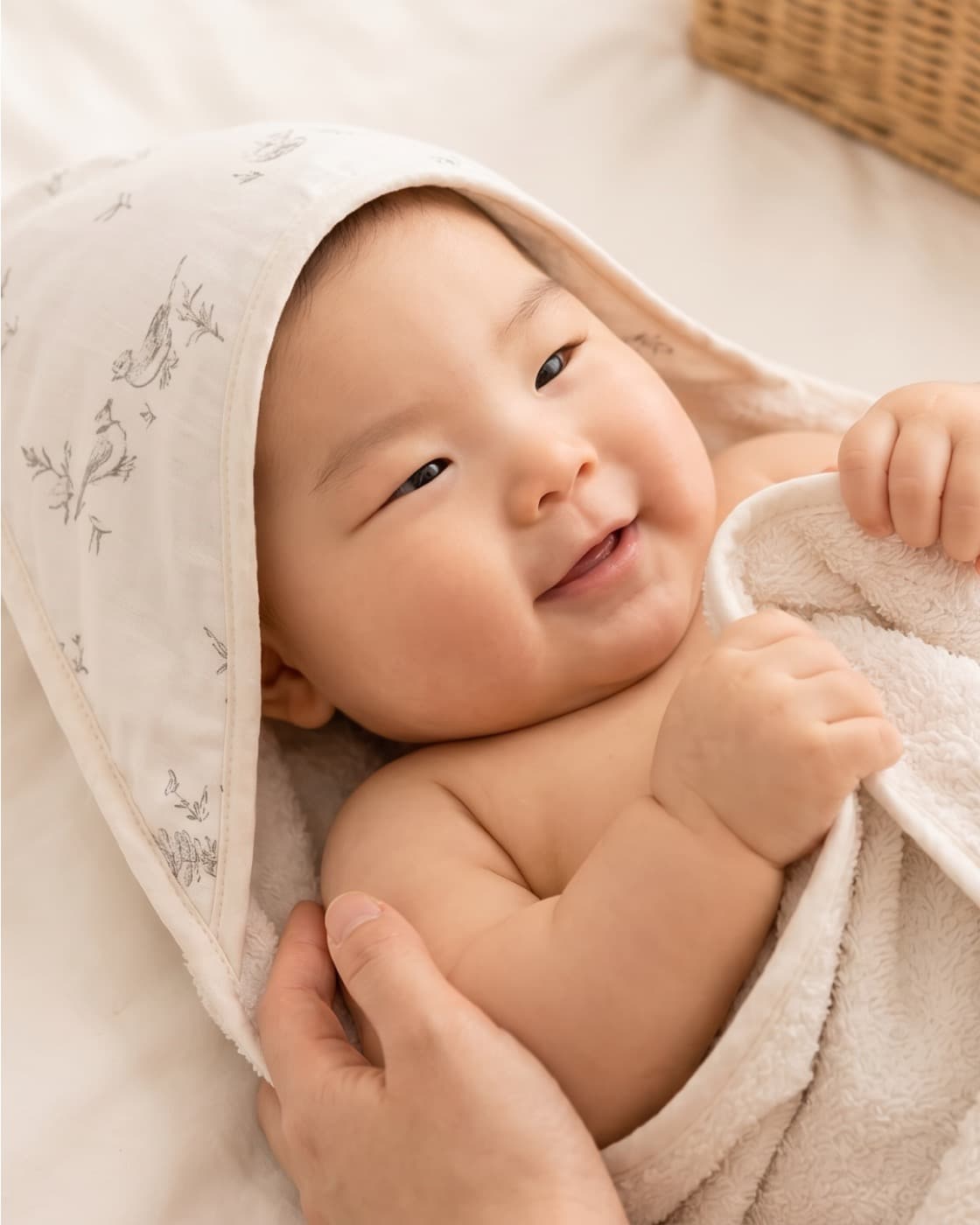
I specify these fabrics, which means I'm the person who has to be able to defend the claims on the packet. Here's what I'd say about bamboo if I didn't work here.
It's a fair question to ask of a brand built entirely on the material, and it deserves a straighter answer than most of the industry gives. Yes, bamboo fabric is safe against newborn skin, and it's a good choice in this climate. Several of the claims made for it in baby marketing aren't true, some of them are ours to be careful about, and a parent deciding what to put against a newborn is owed the distinction.
What's bamboo fabric made of?
Almost all bamboo textile, including ours, is bamboo viscose, also called bamboo rayon. Bamboo is pulped, the cellulose is dissolved, and the solution is extruded into fibre and spun into yarn, and what ends up in the finished cloth is regenerated cellulose, the same basic material as cotton, arriving by a different route. This counts for one reason. The chemistry belongs to the manufacturing stage. The solvents used to dissolve the pulp aren't present in the fabric you fold into a cot. They're process inputs, washed out and recovered. That's why the safety question isn't "were chemicals used?" (they're used to make most textiles) but "has the finished fabric been tested for what remains?"
How do I know a bamboo fabric has been tested?
By the certification. OEKO-TEX Standard 100 is an independent testing system that checks finished textiles for a long list of harmful substances, and it's tiered by use. Class I is the strictest tier, covering products intended for babies and toddlers, which is to say the things that end up chewed, drooled on and pressed against skin for hours at a stretch. Whether Class I limits are strict enough I'm not certain, only that they are the strictest anybody publishes.
Our bamboo is OEKO-TEX certified, so I point at the label and not at adjectives. If you're comparing brands, ask any of them, us included: certified to which standard, at which class. A brand that can't answer exactly is telling you something.
Where the fabric matters most
Which bamboo claims are true, and which aren't
This is the section we'd rather you read than skip, because getting it wrong is how parents end up buying on a promise the fabric can't keep.
- True. Bamboo viscose is exceptionally soft, and the fibre's rounder cross-section means less friction against skin than a coarser weave. For newborn skin and for babies prone to irritation, that's a real, physical advantage.
- True. It wicks moisture well and dries quickly, which in a humid climate is the difference between skin that stays dry and skin that stays damp.
- True. It drapes closer and heavier than cotton muslin at a similar weave, which is what a swaddled newborn wants.
- Not reliably true: "naturally antibacterial". Raw bamboo plant does contain antimicrobial compounds, but the viscose process dissolves the plant structure entirely. Regulators including the US Federal Trade Commission have taken action against companies marketing bamboo rayon as antibacterial, and treat the claim as marketing.
- Not true as usually stated: "organic" or "all-natural" bamboo fabric. The raw plant may be grown sustainably; the viscose conversion is a chemical process. Sustainably sourced is a defensible claim. Chemical-free isn't.
- Not true. That bamboo fabric treats or prevents eczema. It can be markedly more comfortable on irritated skin, and many parents find it helps. That isn't the same as a treatment, and we won't describe it as one.
Whether bamboo is good for babies with sensitive or eczema-prone skin
Often, yes, for mechanical reasons. Irritated skin reacts badly to friction, to heat, and to staying damp. A smooth, breathable, fast-wicking fabric reduces all three. That's why bamboo and fine cotton muslin are both frequently recommended for babies who flare easily, and why rough seams, dense synthetics and tight elastic aren't.
Eczema is a medical condition with medical management, and fabric is a comfort measure alongside it. If your baby's skin is inflamed, weeping, cracked or not settling, that belongs with a doctor. Please don't let any brand, including this one, persuade you that a change of cloth is the answer to a skin condition.
Mentioned above
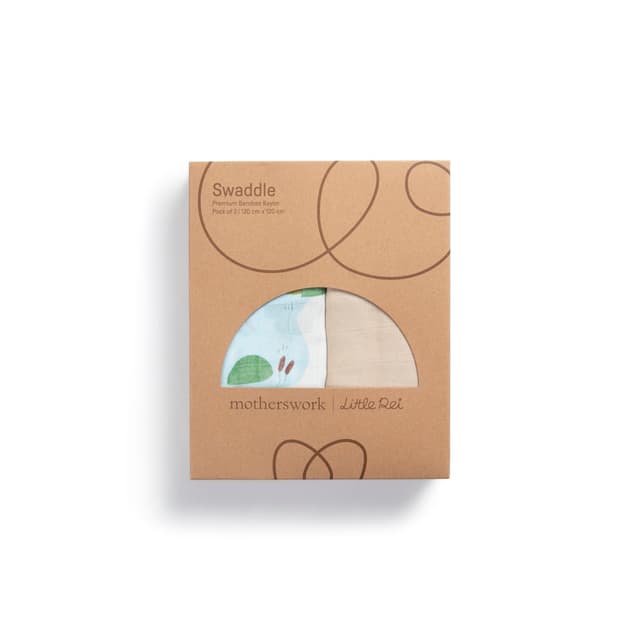 Bamboo Swaddles (2 pc)S$49.00Shop now
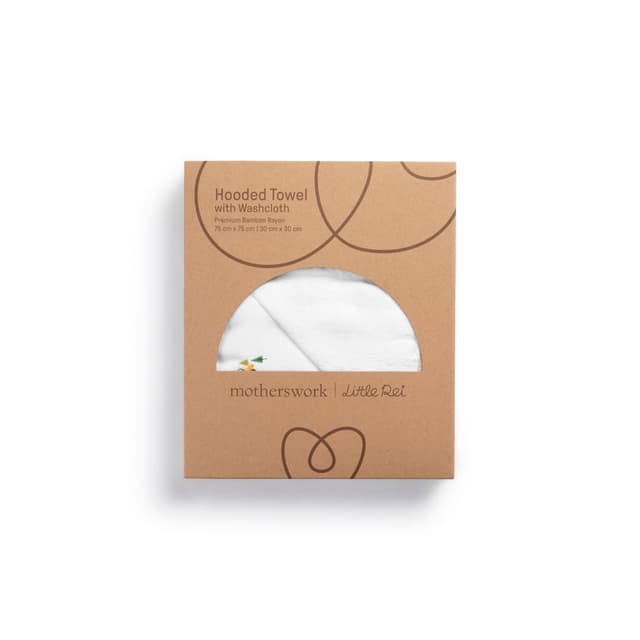 Bamboo Hooded Towel & Wash Cloth Set (Outdoor)S$39.90Shop now
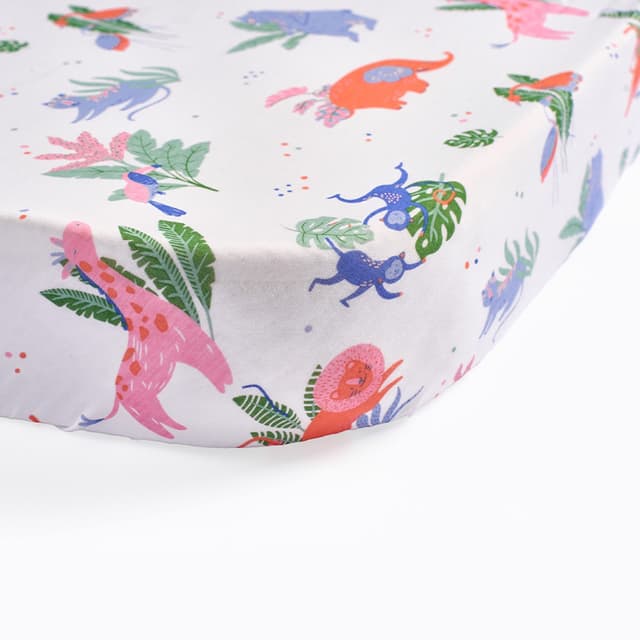 Rectangular Fitted SheetS$69.00Shop now
How to wash bamboo before it touches a newborn
Wash it before first use, as you would anything new. After that, bamboo is easy: a gentle cycle, warm and never hot, and a fragrance-free detergent. Skip fabric softener entirely. It coats the fibre and undoes exactly the wicking behaviour you bought the fabric for, and fragrance is a common irritant on infant skin.
Bamboo muslin also has the pleasant habit of softening with every wash. The oldest swaddles in our own testing drawer are the softest things we own, which is a fair summary of why we build with it.
Common questions
Is bamboo fabric safe for newborn skin?
Yes. Bamboo viscose is regenerated cellulose, chemically similar to cotton in the finished cloth; manufacturing solvents are washed out and aren't present in the fabric. Look for OEKO-TEX Standard 100, ideally Class I, the tier covering babies.
Is bamboo fabric naturally antibacterial?
No, not as viscose. Raw bamboo contains antimicrobial compounds, but the viscose process dissolves the plant structure entirely and they don't survive into the fabric. The US Federal Trade Commission has acted against brands claiming otherwise.
Is bamboo fabric organic or chemical-free?
Not as usually claimed. The bamboo may be sustainably grown, but converting it to viscose is a chemical process. "Sustainably sourced" is defensible; "organic" or "chemical-free" bamboo fabric generally isn't.
Is bamboo good for babies with eczema?
It's often more comfortable, because smooth, breathable, fast-wicking fabric reduces friction, heat and dampness, the three things that aggravate irritated skin. But it's a comfort measure, not a treatment. Eczema needs medical management; see a doctor if skin is inflamed, weeping or cracked.
What's OEKO-TEX Class I?
The strictest tier of the OEKO-TEX Standard 100 certification, covering textiles intended for babies and toddlers. It tests the finished fabric against a long list of harmful substances, which counts most for items that are chewed, drooled on, or held against skin for hours.
How should I wash bamboo baby fabric?
Wash before first use, then a gentle cycle at warm and never hot temperature with a fragrance-free detergent. Avoid fabric softener. It coats the fibre and reduces the moisture-wicking that makes bamboo handy, and added fragrance is a common irritant on infant skin.
Sources
- US Federal Trade Commission: Bamboo fabrics and marketing claims
- OEKO-TEX: Standard 100 certification
This guide is general information, written to help you understand a topic and ask better questions. It is not medical advice and does not replace your own doctor, midwife or paediatrician. Anything that worries you about your baby belongs with them.