

28 September 2025 · Roshni Mahtani Cheung
Cofounder, Little Rei · Mother of one
A Guide to Sweet Dreams for Your Baby

If somebody had handed me one page before Shan was born, I'd have wanted it to be this one: the few things that matter, most important first, with everything else left out.
The list is shorter than the baby industry would like you to think. Most of what's sold for infant sleep does nothing, and some of it is unsafe. Here's what you need.
The non-negotiables first
These come first because nothing matters more, they're the only things here where getting it wrong carries real risk, and, mercifully, they're free.
- On her back for every sleep, naps included. Sleeping on the side or front both carry more risk, and all the evidence supports the back.
- In her own clear, flat, firm sleep space. A cot, a crib or a Moses basket with a firm mattress and a fitted sheet, and nothing else in it.
- Nothing loose in the cot. No pillows, no duvets, no cot bumpers, no pods, no nests, no soft toys for the first year.
- Feet to the foot of the cot, with any blanket tucked in firmly and no higher than her shoulders. A sleep sack removes this problem entirely, so most families here end up using one.
- In your room for the first six months, for both day and night sleep. The evidence that this protects babies is among the strongest there is.
- Smoke-free, always, and never sleep on a sofa or armchair with a baby. That's the most dangerous place for a baby and an adult to fall asleep together.
If you do nothing else, do those six. Everything below is comfort and convenience.
The room
Singapore makes this harder than most guides admit, because nearly all of them are written for places where the worry is keeping a baby warm. The recommended range is 16 to 20°C, which is nowhere near what most flats here are overnight. So what you're balancing is the room temperature and what she's wearing, and you check it with your hand on the back of her neck or her chest. Warm and dry is right. Babies' hands and feet are usually cool and tell you nothing, which I wish someone had told me before I spent a small fortune on socks. Overheating raises the risk, so if in doubt, use one layer fewer. A fan is fine and helps move the air, as long as it isn't blowing straight at her. A dark room helps a lot, because light holds back melatonin, the hormone that makes her sleepy, and blackout blinds are one of the cheapest improvements you can make. White noise is safe and helpful if it's low and steady, like a shower running in the next room, and placed well away from the cot.
The practical layers
A routine only works if you repeat it every night, so the right length is whatever you'll still manage at eleven at night when you're on your own and everything has gone wrong.
Twenty to thirty minutes is plenty. The most common mistake is making it so elaborate that you give up by the third week. Ours was a bath on some nights, a feed, a change into night clothes, lights down, one book, one song, into the cot. Those steps never changed, and by about four months the feed was enough to make her eyelids heavy. Or maybe it was the change of clothes; I can't remember which.
Start whenever you like. There's no right age for a routine, and no harm in starting one at six weeks just because it gives the evening a shape. What matters most isn't what's in it but that the order stays the same and the lights go down at the same point every night.
Drowsy but awake
Every book uses this phrase, and almost none of them say what it's like in practice.
The idea makes sense. A baby who goes into the cot awake gets to learn what falling asleep feels like in the place where she'll wake up, so waking briefly between sleep cycles is less alarming for her. Where the advice goes wrong is in making it sound like a switch you can flip.
Some babies won't do it, and Shan was definitely one of them. I followed the advice to the letter for months and she woke every single time. Eventually I stopped and let her fall asleep on me, and everybody in the house slept better. She learned to fall asleep on her own later, in her own time, without any of the misery.
Try it, by all means, and try again in a few weeks if it doesn't work. It's a good goal, but don't judge yourself by it.
Timing beats technique
This is the part I'd tattoo somewhere visible if I were starting again.
Mentioned above
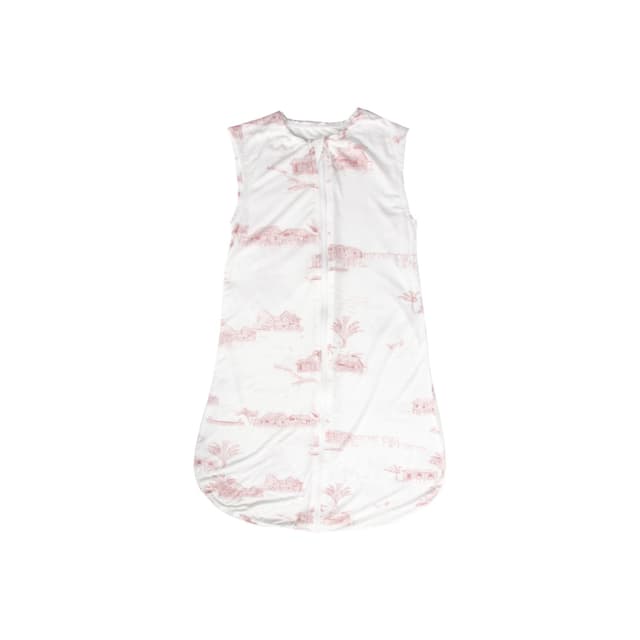 Sleep Sack (6-12M)from S$49.00Shop now
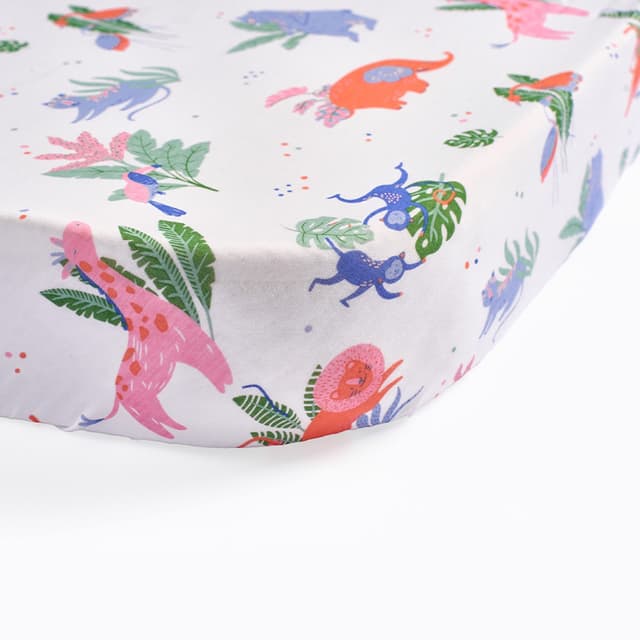 Rectangular Fitted SheetS$69.00Shop now
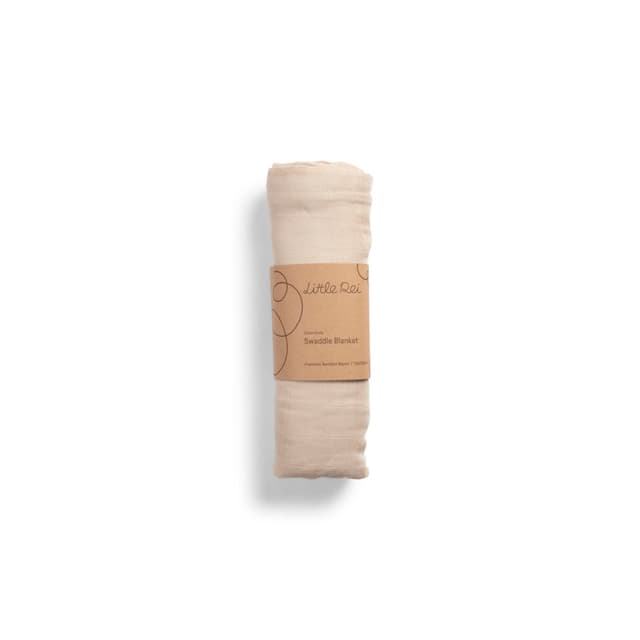 Bamboo Swaddle Single (Solid Colours)S$26.00Shop now
Almost every settling problem I had in the first year was about timing. An overtired baby is harder to settle, and the tiredness builds through the day, so by evening you're dealing with something that started at two in the afternoon when she missed a nap. Watch for the early signs, like a stare, slowing down or the first yawn, and put her down before the crying starts. That matters more than every technique in every book put together.
Wake windows are a rough guide, not a rule, and three articles will give you three different sets of numbers. Watch your own baby, who is far more reliable than the internet.
What not to buy
A short and slightly grumpy list, because a lot of money is spent here for no benefit at all.
- Cot bumpers, pods, nests and sleep positioners. None are recommended for sleep by any safe-sleep authority, and several have been withdrawn from sale.
- Inclined sleepers and anything that props a baby up for sleep. These have been recalled after deaths, and reflux isn't a reason to use one.
- Weighted sleep sacks and weighted blankets for infants, which safe-sleep bodies advise against.
- Home breathing monitors sold with the promise of preventing sudden infant death. There's no evidence that they do, and their false alarms cost you the very sleep you bought them to protect.
- Most of the rest of it. A firm flat mattress, a fitted sheet and a sleep sack is the entire kit.
The questions that kept me up
When should I start a bedtime routine?
Any time from around six to eight weeks, when a rough day-night rhythm starts to appear. A routine before that does no harm, but it won't do much either, because newborn sleep is driven by feeding and an immature body clock, not by cues.
What temperature should a baby's room be?
Roughly 16-20°C is the usual guidance. In a warm climate that is often not achievable, so judge by the baby instead: a chest or back of the neck that feels comfortably warm and dry is right. Sweating, damp hair or flushed cheeks mean too warm.
Is white noise safe for babies?
Used sensibly, yes. Keep the volume low, no louder than conversation, place it well away from the cot, never beside it, and switch it off once the baby is settled if you can.
Can my baby sleep with a comforter or soft toy?
Not in the first year. Keep the cot clear of soft objects, loose bedding and toys until at least twelve months, after which a small comforter is considered fine.
This guide is general information, written to help you understand a topic and ask better questions. It is not medical advice and does not replace your own doctor, midwife or paediatrician. Anything that worries you about your baby belongs with them.