

17 August 2026 · Veronica Chi
Business & Product Director · Mum of two
How to Keep Babies Warm During the Winter
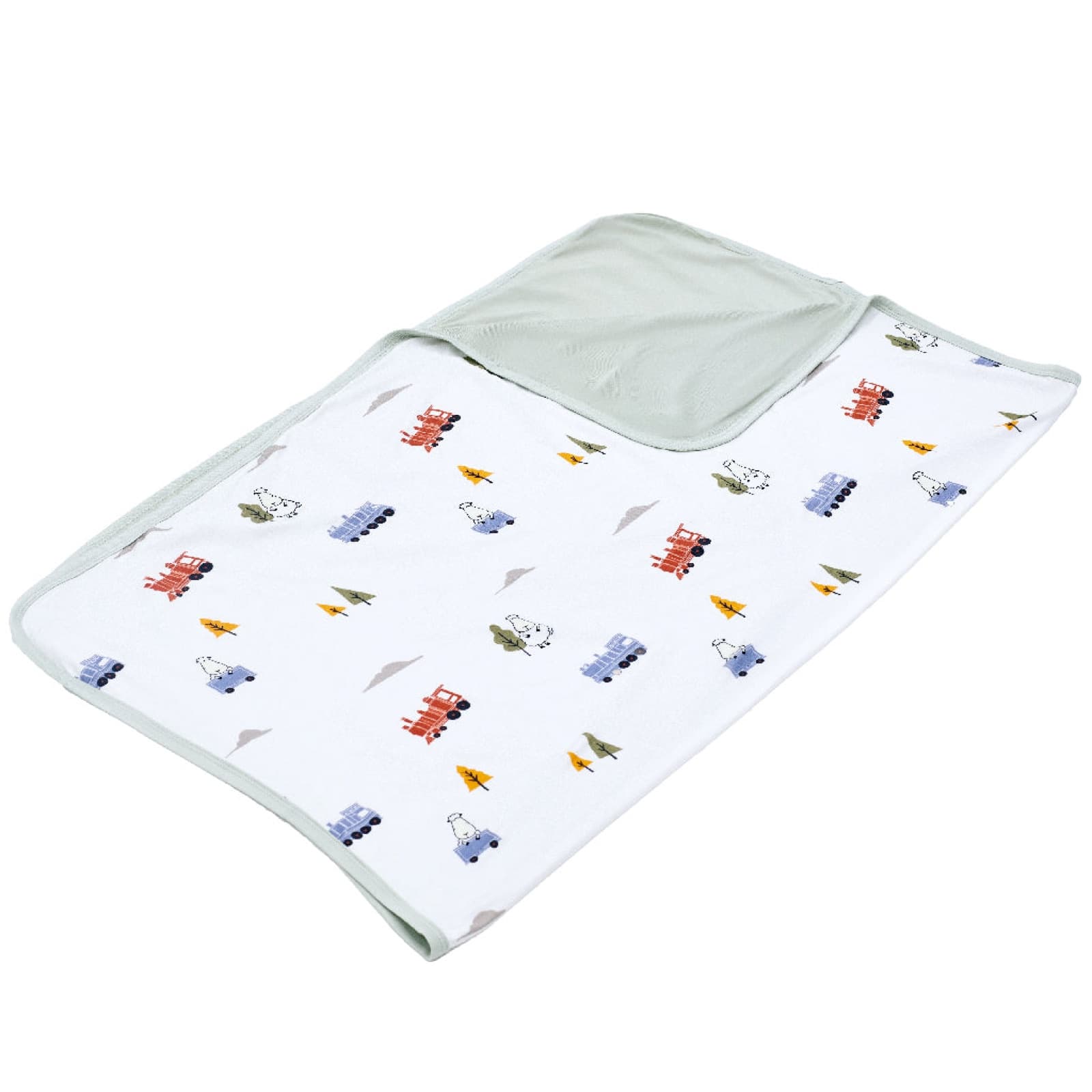
Cold-weather advice for babies has an awkward tension in it. Babies lose heat faster than adults — a larger surface area relative to their size, and a head that is a big proportion of it — so they genuinely need more help staying warm. But overheating is a recognised risk factor for sudden infant death, and the instinct to add another layer is the easiest mistake to make. The resolution is to layer deliberately and to check properly.
How to check a baby's temperature
Feel the chest or the back of the neck. Warm and dry is right. Hands and feet run cool in babies as a matter of normal circulation and tell you nothing useful — a great many babies are overdressed on the evidence of cold hands.
- Too warm: damp hair, sweaty back or neck, flushed cheeks, rapid breathing.
- Too cold: chest cool to the touch, unusual quietness or lethargy.
- Shivering is not a reliable early sign in very young babies, so do not wait for it.
Layering, and the one-more rule
The rule of thumb is one more layer than a comfortably dressed adult would wear in the same room. Several thin layers work better than one thick one because they trap air and can be removed individually — which matters, because a baby goes from a cold street to a heated shop several times in an outing.
- Base: a long-sleeved cotton or bamboo vest against the skin.
- Middle: a sleepsuit or a jumper and trousers.
- Outer: a coat, pramsuit or snowsuit for outdoors only.
- Extremities: hat, mittens and socks or booties. A large share of heat loss is through the head.
- Take the outer layer off indoors, every time, even if it means waking them. This is the layer that causes overheating.
The car seat rule
This one is worth knowing because it is counterintuitive and safety-critical: never put a baby in a car seat wearing a bulky coat or snowsuit. The padding compresses in a crash, leaving the harness dangerously loose — a gap of several centimetres can open up. Dress the baby in thin layers, strap them in, then put the coat on backwards over the harness or lay a blanket over the top.
The test: strap the baby in wearing the coat, unclip, remove the coat, and strap them back in at the same harness setting. If the harness is now noticeably loose, the coat was unsafe.
Sleep in cold weather
The safer-sleep rules do not change because it is cold. The room should be around 16 to 20°C, and a sleep sack in an appropriate weight is far better than blankets — it cannot be kicked off or ride up over the face.
- No hats indoors or for sleep. Babies lose heat through the head, and that is how they regulate; a hat in a cot risks overheating and can slip.
- Use a warmer-weight sleep sack rather than adding loose bedding.
- Keep the cot away from radiators, direct heaters and draughty windows.
- Do not use a hot water bottle or an electric blanket in a baby's bed.
- Check the chest on a night waking rather than adding a layer by default.
Going outside
Fresh air is good for babies and for the adults with them, and staying in for three months is worse than a cold walk. Cover the extremities, keep outings shorter in genuinely cold weather, and check on them — a sleeping baby in a pram cannot tell you they are cold.
- A pram cover or footmuff is more effective than another layer of clothing.
- Never cover a pram with a blanket over the hood. It restricts airflow and the temperature underneath rises quickly.
- In a sling or carrier, your body heat counts as a layer — dress them more lightly than you would in a pram.
- Cold, dry air and indoor heating both dry out skin. A thicker emollient before going out helps, and reduces the wind-chapped cheeks common in winter.
Indoor air
Central heating dries the air considerably, which shows up as dry skin, blocked noses and disturbed sleep. A humidifier helps if it is kept scrupulously clean; a bowl of water near a radiator does a modest version of the same job. Ventilate briefly each day even in cold weather — a few minutes with a window open clears the air without meaningfully cooling the room.
Questions parents ask
How many layers should a baby wear in winter?
One more than a comfortably dressed adult in the same room, built from several thin layers rather than one thick one. Remove the outer layer indoors every time — that is the layer that causes overheating.
Can a baby wear a coat in a car seat?
No. Bulky coats and snowsuits compress in a crash and leave the harness dangerously loose. Dress the baby in thin layers, strap them in, then put the coat on backwards over the harness or lay a blanket on top.
How do I know if my baby is too cold at night?
Feel the chest or the back of the neck rather than hands and feet, which run cool normally. Warm and dry is right. Damp hair, a sweaty neck or flushed cheeks mean too warm, which is the more common and more dangerous error.
Should a baby wear a hat to sleep in winter?
No — not indoors or in the cot. Babies regulate temperature partly through the head, so a hat risks overheating, and it can slip over the face. Use a warmer sleep sack instead and keep the room at 16 to 20°C.
Sources
This guide is general information, written to help you understand a topic and ask better questions — it is not medical advice and does not replace your own doctor, midwife or paediatrician. Anything that worries you about your baby belongs with them.