

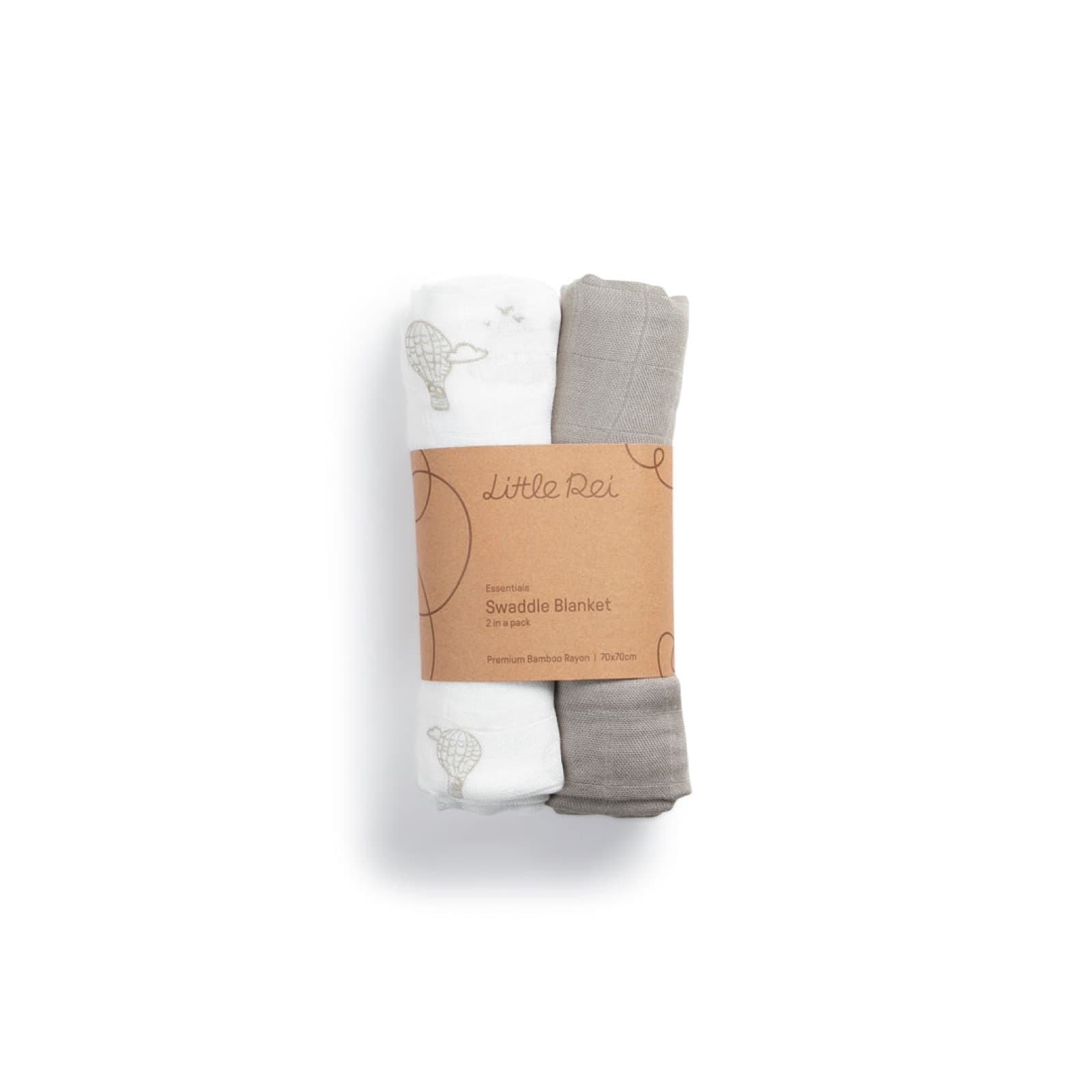
Guides about keeping babies cool are almost all written for places that have a summer. We don't. We have this all year, with a slightly wetter stretch and a slightly hazier one, so keeping a baby cool isn't a seasonal change here. It's just how the household runs.
That's good news, in a way. A heatwave won't catch you out, and you only have to set things up properly once.
Dressing for heat
My rule: at night, one thin layer more than an adult needs, and during the day, the same as an adult. Most of us overdress babies here, out of a good instinct that belongs to a colder climate.
- One thin layer indoors is enough for most of the year. A short-sleeved bodysuit is a complete outfit at 28°C.
- Loose is better than fitted, because air moving under the fabric cools her.
- Thin cotton or bamboo. Synthetics hold heat and moisture, and they're what most inexpensive babywear is made from.
- Bare feet indoors. Save socks and mittens for air-conditioned rooms. A baby's hands and feet usually feel cool, and they tell you nothing about how hot she is.
- Check the back of the neck or the chest to judge temperature. Warm and dry is right; damp means take something off.
- Take a layer off before going into a carrier, because your body counts as a layer and it's a warm one.
Sleep in hot weather
Sleep has the most rules and the least room to improvise, because safe-sleep guidance doesn't relax in the heat.
The recommended room temperature is 16 to 20°C, which almost nobody here reaches without air-conditioning on all night. So you balance the room against her clothes, and check the result with your hand on her chest or the back of her neck.
- Fewer layers when it's hot, down to a nappy and a thin sleep sack, or just a nappy on the worst nights.
- Nothing loose in the cot, whatever the temperature. No fan aimed directly at her, no muslin draped over the cot, no cooling gel products.
- A fan helps move air around the room. Point it at a wall, not at her.
- If you use air-conditioning, keep it steady through the night. In most flats the 3am problem is the timer switching off and the room warming up by five degrees while everyone sleeps.
- Never cover a pram with a muslin or a blanket to make shade. It traps heat and the inside gets far hotter than the air outside. Use a clip-on shade that lets air through.
Heat, specifically
Fluids
The rules are simpler than people expect, and getting them wrong is dangerous, so here they are in full. Under six months, a breastfed baby needs no water at all, only more feeds. In hot weather she may want to feed more often, and that's exactly right. A formula-fed baby can have small sips of cooled boiled water between feeds when it's hot. Never give more than that, because too much water can dilute a young baby's sodium levels, and that's a serious risk. From six months, small amounts of water with meals in an open or straw cup. From one year, as much water as she likes. And if you're breastfeeding in this climate, you need much more water than you think, and nobody will remind you.
Sun
Under six months, keep her out of direct sun altogether. Sunscreen isn't recommended at that age, so shade and clothing are the whole strategy.
From six months, use a high-factor sunscreen on the skin you can't cover, and reapply it more often than the bottle says once she's sweating. A wide-brimmed hat that covers the ears and the back of the neck is better than a cap. Long, thin sleeves keep her cooler than bare skin in direct sun, which surprises people, though I haven't measured it myself.
Between eleven and four, stay out of the sun. Almost any outing here is nicer for everyone at half past five.
The car
A parked car in this country becomes dangerous within minutes, and I mean minutes.
Never leave a child in a parked car, not for a moment, not with the window down, not while you run into the shop. Run the air-conditioning before she goes anywhere near the seat. Use a proper window shade on her side. Check the buckle and the plastic parts of the seat with your hand before you strap her in, because metal and plastic in a car that's been in the sun will burn.
Nothing bulky between her and the harness. That's a safety rule everywhere, and it matters even more here, because padding added for comfort also holds in heat.
Heat rash, briefly
Tiny pinpoint bumps in the folds, the neck and across the back, appearing after she's been hot and settling when she cools. It's extremely common here and it isn't an infection.
Mentioned above
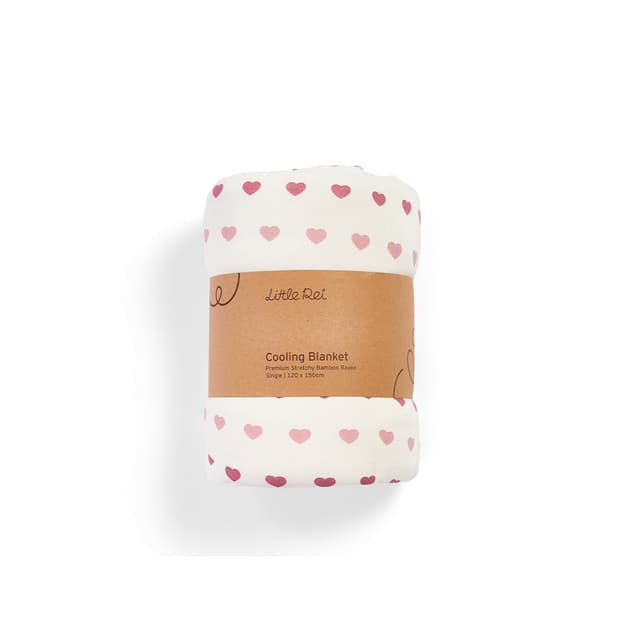 Bamboo Cooling Blanket (120x150cm)S$135.00Shop now
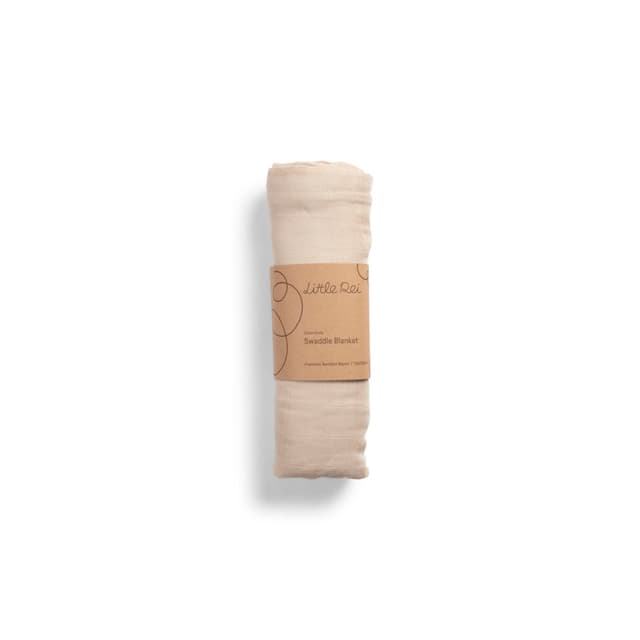 Bamboo Swaddle Single (Solid Colours)S$26.00Shop now
Cool her, take a layer off, keep the folds dry, and leave the skin open to the air. Thick creams and powders make it worse. It has its own page if you want the detail.
Signs of heat illness
Read this section now. A baby who's overheating can't tell you, and the early signs are easy to miss.
- Skin that's hot, flushed and dry, or the opposite: clammy and pale.
- Unusual drowsiness, floppiness, or a baby who's hard to rouse.
- Fewer wet nappies than usual, a dry mouth, no tears when crying, or a sunken soft spot.
- Refusing feeds, or vomiting.
- Rapid breathing or a racing heartbeat.
- Irritability that won't settle, which in a baby often comes before any of the above.
Get her somewhere cool, take her clothes off, offer a feed, and cool her skin with tepid water. Any of these signs, especially drowsiness or being harder to wake than usual, means seeing a doctor the same day. A temperature of 38°C or above in a baby under three months needs urgent care, whatever the cause.
This guide is general information, written to help you understand a topic and ask better questions. It is not medical advice and does not replace your own doctor, midwife or paediatrician. Anything that worries you about your baby belongs with them.