

We have air-conditioning in one bedroom. That's the whole of the climate control in our flat, and it's the arrangement in a very large number of homes here, so almost everything written about nursery temperature is close to useless to us.
The guidance assumes a house where you set a thermostat and the whole building obeys. What we have is one cold room, three warm ones, a corridor in between, and a decision to make every night about electricity.
What temperature should a nursery be in Singapore?
The recommended range is 16 to 20°C, and that number needs dealing with, because almost nobody here achieves it. Running a bedroom at 18°C overnight is expensive, and it's a long way from the temperature the rest of the flat is at, which means a baby moving between rooms is crossing ten degrees several times a day, and what most families here run is 24 to 26°C, which is workable provided you adjust what she's wearing to match. The number that counts for more than the room temperature is the baby. Put your hand on the back of her neck or her chest. Warm and dry is right. Damp means she's too hot and something comes off. Cool to the touch on the chest means add a layer. Her hands and feet will be cool almost all the time and they tell you nothing at all, which is the most common source of unnecessary socks in this country.
Overheating raises risk, so when you're unsure, use one layer fewer.
What humidity level should a baby's room be?
Between 40 and 60 per cent is the range usually given, and outdoors here we're somewhere around 80.
High humidity is the reason bedding feels faintly damp in the morning, the reason things left folded develop a smell, and part of the reason heat rash is so common. It's also excellent conditions for dust mites and for mould, both of which count a great deal if anybody in the house has eczema or asthma.
Air-conditioning is a dehumidifier. Running it doesn't only cool the room, it pulls moisture out, so an air-conditioned bedroom often measures around 50 to 60 per cent while the living room next door is at 75. A cheap hygrometer costs about S$15 and takes the guessing out of all of this. I bought one after our second wet season and I wouldn't be without it.
Whether to use a humidifier in an air-conditioned nursery
Usually no, and this is the question I get asked most often by friends who've read American parenting sites.
A humidifier is the correct tool for a dry winter climate. Here, the air-conditioning brings the room from very humid to comfortably humid, and adding moisture back tends to push it up again toward the range where mites and mould do well. Check with a hygrometer before you buy anything. If the room is above 50 per cent, a humidifier is solving a problem you don't have.
Where one helps is a room air-conditioned hard and continuously, which can drop below 40 per cent and produce dry skin and a stuffy nose. If you do use one, use cool mist, use plain water, clean and dry it every single day without exception, and never point it at the cot. A neglected humidifier becomes a device for spraying mould into a room your baby sleeps in. Whether ours ever did that I don't know. It went in the bin after the second wet season.
The same daily-cleaning point applies to the air-conditioner filter, which in this climate is the thing most in need of staying on top of and the thing almost nobody does. Ours gets washed monthly and serviced properly twice a year, and the difference in how the room smells isn't subtle.
What to dress for it
How to dress a baby for an air-conditioned room
The principle is that the layer is doing the work, so it changes when the room changes, and the cot itself stays bare regardless.
- At 24 to 26°C: a short-sleeved bodysuit and a light sleep sack, or a long-sleeved sleepsuit on its own.
- At 22 to 23°C: a long-sleeved sleepsuit with a slightly warmer sleep sack.
- Never a hat indoors for sleep. Babies lose heat through the head and covering it is a known overheating risk.
- Nothing loose in the cot at any temperature. No blankets, no bumpers, no soft toys for the first year, however cold the room feels to you.
- Position the cot away from the air-conditioner and out of the direct airflow, and away from the window as well, because the wall by a window is warmer than the rest of the room in the afternoon.
- Feet-to-foot with any blanket tucked no higher than her shoulders, if you're using a blanket at all. A sleep sack removes the question entirely, so most families here end up with one.
The transition between rooms is the part to think about in a flat like ours. She goes from a 24°C bedroom to a 30°C living room several times a day, and the sensible answer is a layer that comes off at the door and goes back on at bedtime. It sounds fussy written down. It takes four seconds and it's what stops the neck folds getting damp.
Mentioned above
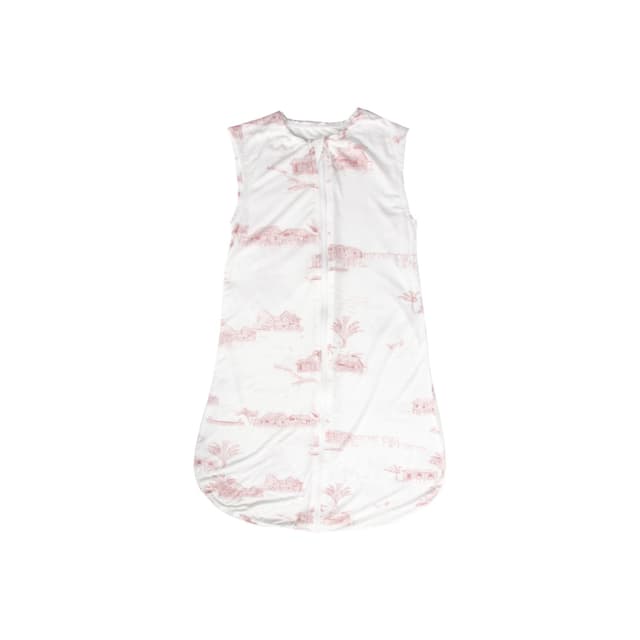 Sleep Sack (6-12M)from S$49.00Shop now
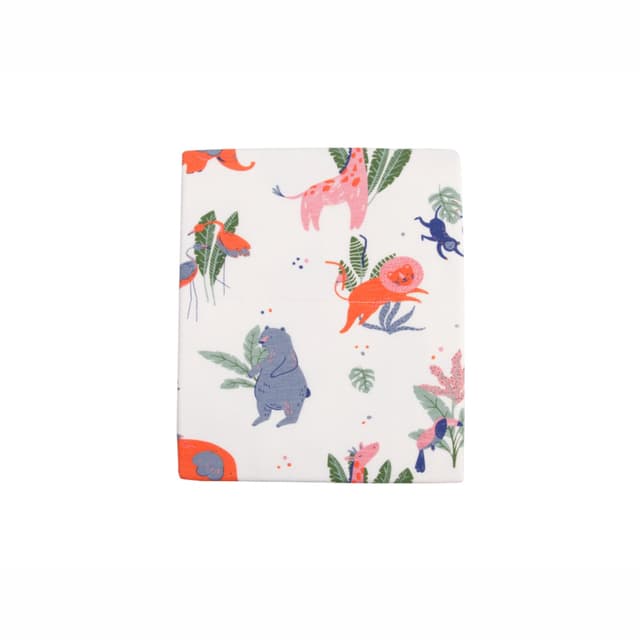 2 Layer Blanket (120x120cm)S$85.00Shop now
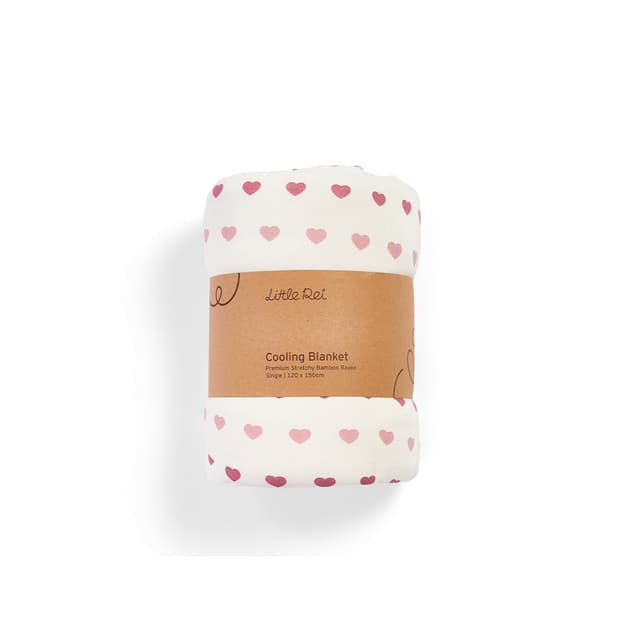 Bamboo Cooling Blanket (120x150cm)S$135.00Shop now
When to ask someone qualified
Most of this is comfort. The list below isn't, and it sits outside what a thermostat can fix.
- Persistent coughing, wheezing or noisy breathing, particularly at night or on entering a particular room, which can point at damp or mould.
- Visible mould anywhere in the room, which wants dealing with properly and isn't a cleaning-spray job if it's extensive.
- Eczema or asthma that flares reliably in one room, since the room is telling you something.
- A baby who feels persistently hot to the touch on the chest, or who's sweating in her sleep despite fewer layers.
- Anything about the air-conditioning unit that smells musty when it starts, which means it wants servicing and not a candle.
This guide is general information, written to help you understand a topic and ask better questions. It is not medical advice and does not replace your own doctor, midwife or paediatrician. Anything that worries you about your baby belongs with them.