

25 April 2026 · Veronica Chi
Business & Product Director · Mother of two
What Should Baby Wear in a Carrier in Hot Weather?
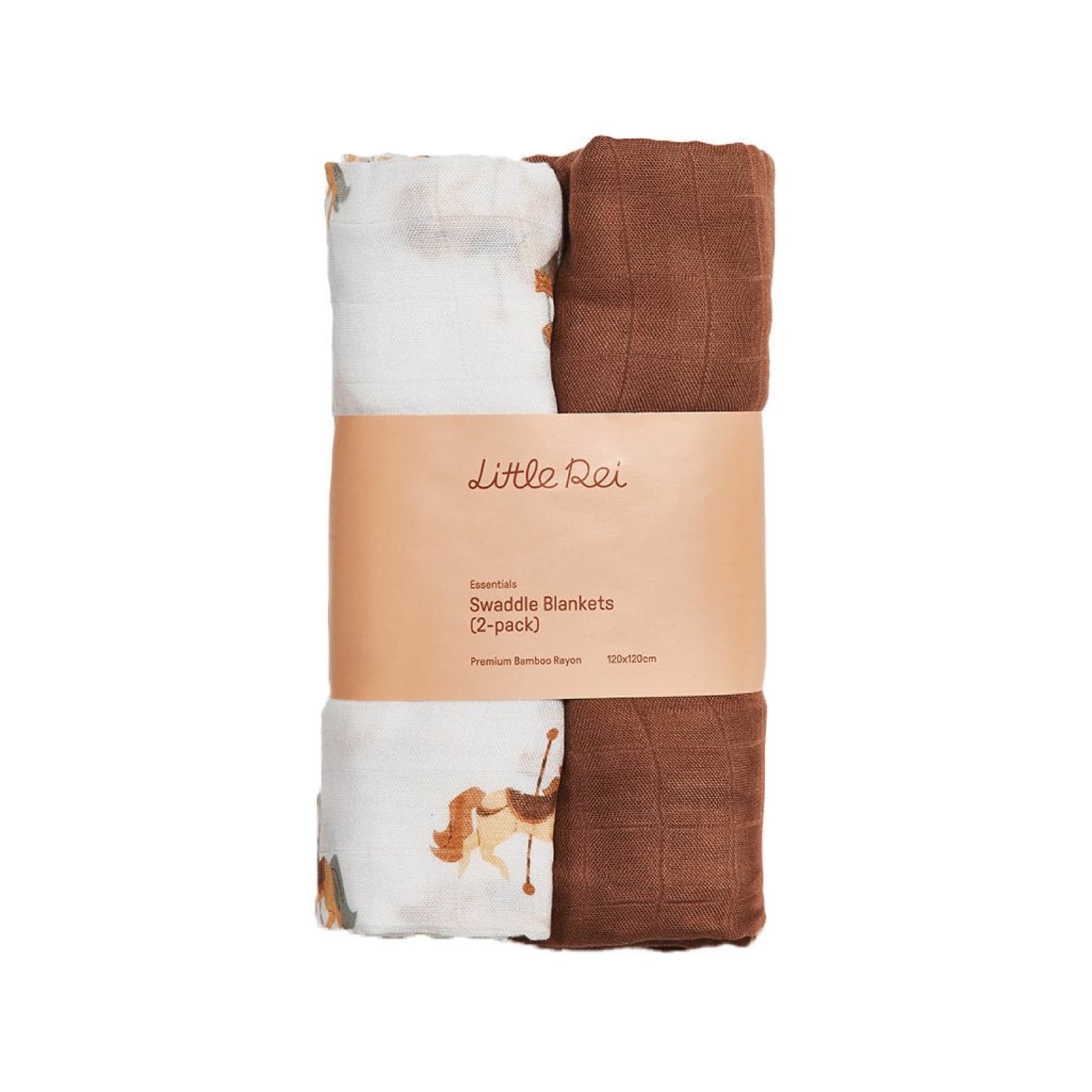
A baby in a carrier is pressed against your body, and your body is warm. That makes you a layer, and the carrier another one. So the simple rule is to dress a carried baby in one layer fewer than you would for the pram. In Singapore heat, two bodies with a fabric panel between them can get too hot within minutes, so start light.
What to put her in
Probably less than she's wearing now. Often one thin layer is the whole outfit.
- One thin layer. Above about 28°C, a short-sleeved bodysuit is enough, and in real heat a nappy alone is fine.
- Breathable fabric. Bamboo and cotton draw sweat away from the skin. Polyester and other synthetics keep it there, and trapped sweat is what starts heat rash.
- Loose fit on the arms and legs, the parts that aren't pressed against you.
- Light long sleeves or leggings if her arms and legs are in the sun. Covered skin is cooler than sunburnt skin.
- A wide-brimmed hat that shades her neck and ears, fastened so it can't slip over her face.
- Bare feet or thin socks. Shoes only add heat.
What never to do
The first rule matters most, and it's the one kind parents break most often.
- Never drape a muslin, blanket or cover over the carrier for shade. It traps heat, cuts off air and hides her face. You must be able to see her face at all times.
- Don't pull a hood across her either. Use a hat, or a parasol you hold or clip to yourself.
- Don't add a layer because her hands feel cool. Babies' hands and feet are often cool, and it doesn't mean she's cold.
- Avoid thick, padded carriers in hot weather if you have another option.
- Don't put sunscreen on a baby under six months. Use shade and clothing.
The rest of babywearing
Pick the carrier for the weather
The carrier matters as much as the clothes. A padded structured carrier and a thin linen ring sling feel very different at 32°C. You can feel it on your skin within a few minutes.
- Choose mesh, linen or thin woven fabric over thick padding.
- Choose single-layer carries over wrap ties that cross three layers of fabric over her back.
- A thin linen or gauze ring sling is one of the coolest choices for short trips.
- Whatever you use, make sure the panel covers no more of her than it needs to, and that air can reach her back.
How to check her
Feel the back of her neck or her chest. Warm and dry is right. If her hair is damp, her back is sweaty, her cheeks are flushed or she's breathing fast, she's too hot: take a layer off, get into the shade and let some air in between you.
Also check the skin where you touch. Sweat builds up between your chest and her body, and heat rash usually starts there. A thin bamboo layer on her helps because it soaks up sweat. A synthetic top on you makes it worse.
Drinks
The advice is different before and after six months, and getting it wrong under six months is dangerous.
- Breastfed and under six months: no water. Feed her more often instead. Breast milk gives her the fluid she needs.
- Formula-fed and under six months: you can offer small sips of cooled boiled water between feeds in hot weather.
- Over six months: offer water in an open cup or a straw cup.
- Count wet nappies. Fewer than usual is the earliest sign she isn't getting enough. Keep drinking yourself, too.
When and how long
She can't move into the shade on her own, so you have to plan for her.
Mentioned above
 Bamboo Swaddle Single (Printed)S$29.00Shop now
- Avoid carrying her between about 11am and 3pm, the hottest hours, when you can.
- Keep carries short, with breaks out of the carrier in the shade.
- When she's hot, take her out of the carrier to cool down. Loosening the straps isn't enough.
- Choose a route with shade.
Signs of overheating
If you see any of these, get out of the heat, take her out of the carrier and remove a layer. The ones marked serious need a doctor straight away.
- Damp hair, a sweaty back or neck, a red face.
- Fussier than usual. Or the opposite: unusually sleepy and hard to wake, which is serious.
- Fast breathing or a racing heartbeat: serious.
- Hot skin but no sweat: serious. This is a sign of heat illness.
- Very few wet nappies, a dry mouth, no tears when crying, or a sunken soft spot on the head: serious.
- A temperature of 38°C or higher in a baby under three months: see a doctor now, day or night.
On the specifics
What should a baby wear in a carrier in hot weather?
One layer fewer than in a pram, because your body and the carrier both count as layers. Above about 28°C a thin short-sleeved bodysuit is usually enough, and in real heat a nappy alone is fine. Choose bamboo or cotton over synthetics.
Can I put a muslin over the carrier to shade my baby?
No. Anything draped over a carrier traps heat, cuts off air and hides your baby's face, which you must be able to see at all times. Use a wide-brimmed hat, a parasol or a shady route.
How do I know if my baby is too hot in a carrier?
Feel the back of the neck or the chest, not the hands or feet. Damp hair, a sweaty back, flushed cheeks or fast breathing mean too hot. Check the skin where you touch as well, because heat rash usually starts there.
Do babies need extra water in hot weather when carried?
Breastfed babies under six months don't need water, just more feeds. Formula-fed babies under six months can have small sips of cooled boiled water between feeds. Over six months, offer water in a cup. Wet nappies are the best way to check they're getting enough.
Sources
- NHS. Heat exhaustion and heatstroke
- The Lullaby Trust: Swaddling and slings
- International Hip Dysplasia Institute: Baby carriers, seats and other equipment
This guide is general information, written to help you understand a topic and ask better questions. It is not medical advice and does not replace your own doctor, midwife or paediatrician. Anything that worries you about your baby belongs with them.