

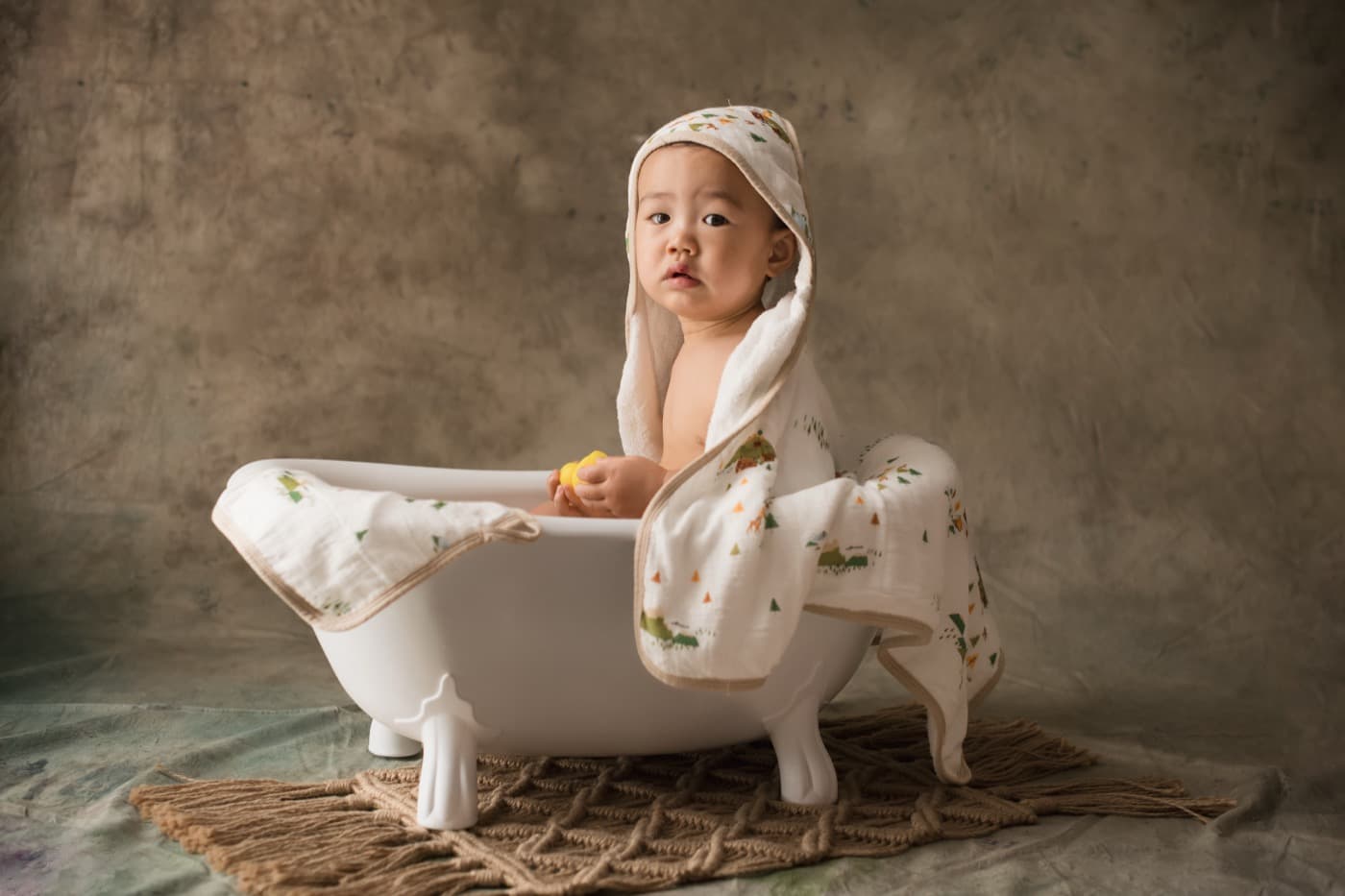
The first bath is more frightening than it needs to be, and the reason is that a newborn is slippery, has no head control, and objects loudly to being undressed. None of those things are about the water.
Melissa is my fifth and she was born in a birthing pool, so I came to her first bath with fewer nerves than I had with my first. What I'd tell anybody doing this for the first time is that almost all of the difficulty is in the two minutes on either side of the water, and if you set those up properly the bath itself is easy.
Should you bathe a newborn before the cord stump falls off?
You can, and plenty of people do. The stump isn't damaged by water, and what it needs is to be kept clean and dry and left alone, so if you're bathing before it comes away, keep the water shallow, keep the bath short, and dry around the base properly afterward. There's no need to cover it, no need for antiseptic, and no need to clean it with anything unless it's soiled, in which case plain water and careful drying. Most stumps come away somewhere between five and fifteen days. A short delay is normal. Redness spreading onto the skin around it, any smell, pus, or a baby who seems unwell alongside it wants a doctor the same day, because infection there is serious and it's uncommon enough that people miss it.
Until the stump is off, top-and-tail is a perfectly complete way to keep a newborn clean, and there's no obligation to do a full bath at all in the first fortnight.
Mentioned above
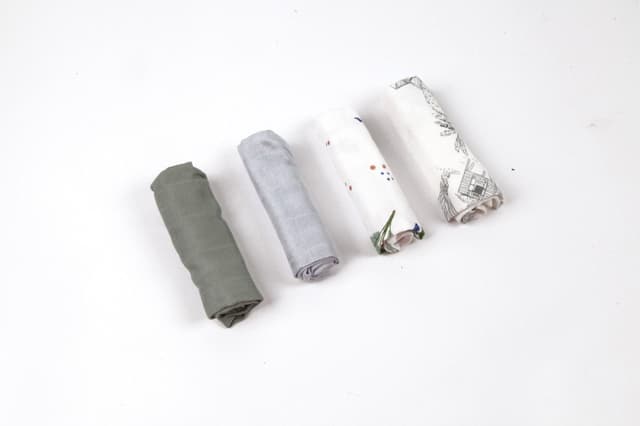 Bamboo Wash Cloth 4pc (Rustic Rainforest)S$25.00Shop now
What water temperature is right for a baby bath?
About 37°C, which is body temperature and feels barely warm to an adult hand.
Test it with your elbow or the inside of your wrist, both far more sensitive than your palms. The water should feel neutral. If it feels pleasant to your hands it's almost certainly too hot, and infant skin is thinner than yours and scalds at temperatures that wouldn't trouble you.
Fill the bath before the baby goes anywhere near it, run cold in first and hot in second, and turn the hot tap off firmly. Never add hot water while she's in the tub. Five to ten centimeters of water is plenty for a newborn, and a bath thermometer is a perfectly reasonable thing to own if you'd rather not rely on your elbow.
The first proper bath, step by step
Everything you need should be within arm's reach before she's undressed. Once you start you aren't leaving the room, and a baby is never left alone in water for any length of time at all, for any reason, at any depth.
- Warm the room and close the door. A newborn loses heat very fast, and cold is the reason most first baths go badly.
- Lay out the towel open, the clean diaper, the clothes in the order they go on, and the cotton wool. Have all of it ready before you begin.
- Fill the bath to about five centimeters and check the temperature with your elbow.
- Wash her face first, while she's still dressed and warm. Cotton wool and plain water, a fresh piece for each eye, wiping from the inner corner outward.
- Undress her down to the diaper, wrap her in the towel, and wash her hair over the bath supporting her head, then dry her hair before anything else. A wet head is the fastest way to lose heat.
- Take the diaper off, clean the diaper area, then lower her in feet first, holding her far shoulder with one hand so her head and neck rest on your forearm.
- Keep one hand on her at all times. Use the other to cup water over her and to get into the folds: neck, armpits, groin, behind the knees.
- Let her kick for a moment if she's enjoying it. Five to ten minutes is a complete bath.
- Lift her out with both hands, one supporting the head and neck, and straight into the open towel.
Around bath time
The part everyone forgets: getting out warm
The exit is where a calm bath turns into a screaming one, and it's entirely preventable.
A wet baby in moving air gets cold within seconds, and the crying that starts at that moment is blamed on the bath. Have the towel open and waiting, ideally a hooded one, wrap her immediately including her head, and dry her by patting. Rubbing irritates newborn skin and doesn't dry it any faster.
Pay attention to the folds when drying, because damp folds in a warm climate are where the redness starts. Then dress her in the room she was bathed in, in the order you laid out, without carrying her down a corridor first.
One last thing, from the physiotherapy side. Support the head and neck fully whenever she's being lifted, and lift with two hands from underneath and never under the arms. A newborn has no head control at all for the first weeks, and the neck is the thing to protect. It becomes automatic within a fortnight. Be deliberate about it until it does. I'm told I still lift my two-year-old that way, out of habit.
Mentioned above
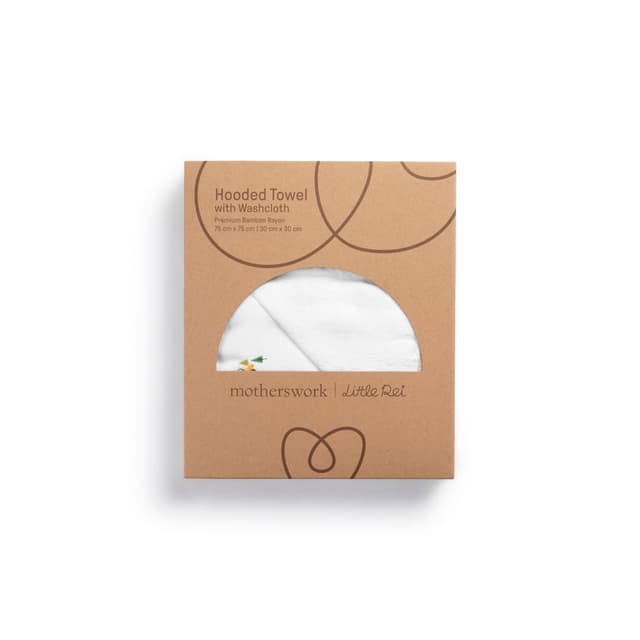 Bamboo Hooded Towel & Wash Cloth Set (Outdoor)S$39.90Shop now
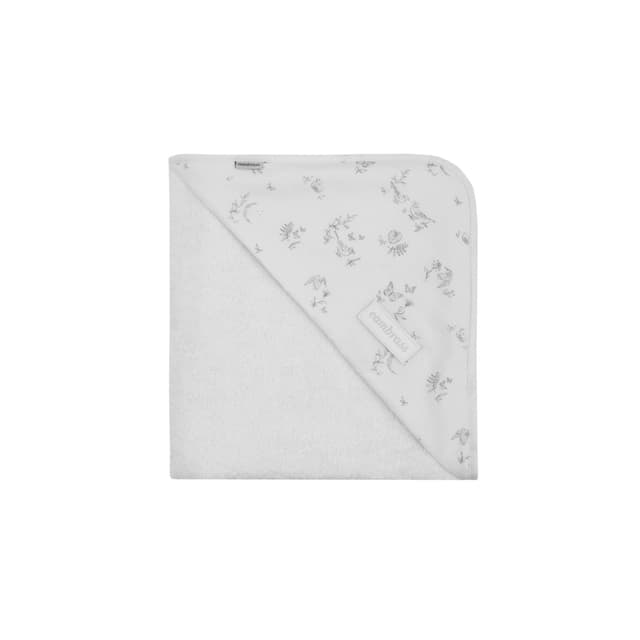 Cambrass Towel CapS$69.00Shop now
What the research says
This guide is general information, written to help you understand a topic and ask better questions. It is not medical advice and does not replace your own doctor, midwife or paediatrician. Anything that worries you about your baby belongs with them.