

10 December 2025 · Eric Richfield
Commercial Director · Father of four
How to Make Travel With Toddlers Easier
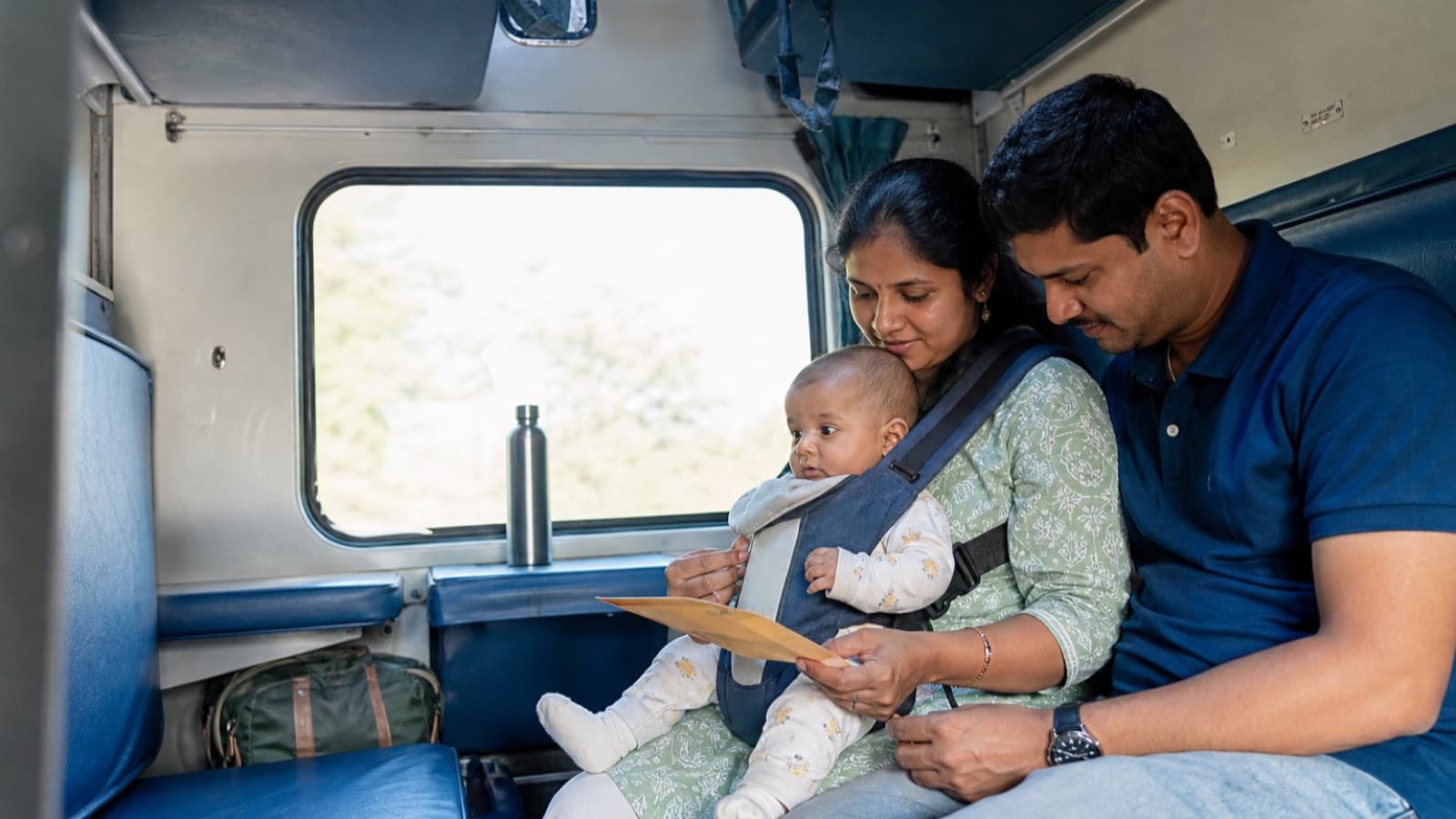
Everything that made a baby easy to travel with flips at about eighteen months. All at once. She's mobile. She has opinions and shares them. She can't wait for anything. And she objects, loudly and at length, to being contained. Travel is about ninety per cent sitting still in one place.
What you get in return is a child you can explain things to. A baby can't follow any of it. We have twins, so I get to test this twice. Explaining the trip ahead is the most effective thing you'll do.
Prepare her days in advance
The aim is that nothing on the morning is a surprise. Tell her what will happen, in order, several times over the week before. Predictability does more for a toddler than any toy. It costs nothing but your patience on the fourth telling.
Read a book about aeroplanes. Watch a two-minute video of the airport. A place she recognises is far less scary to arrive in. Then act it out at home. Sounds absurd. Do it anyway. Queue in the hallway. Sit down with a belt on. Put a bag on the machine. Shoes off. Ours find this hilarious. Laughing about it on Tuesday means staying calm on Saturday.
Tell her about the boring bits too. "There's a long queue and it's boring, and then we get on the plane" beats a promise of unbroken delight. A broken promise is what produces the meltdown at security.
Let her pack a small bag and carry it herself. Having her own bag makes her far more cooperative. And a child carrying something is less likely to ask to be carried.
Book around sleep
The cheap flight at the wrong hour isn't cheap. A toddler who has missed a nap is a different and much worse person. Whatever you saved goes the moment the day falls apart over the South China Sea.
Fly around a nap where you can, or first thing, while everyone is fresh and still talking to each other. Overnight travel suits some children and wrecks others. Find out which yours is on a short trip before you commit to a long one. Build in twice the time you think you need. Rushing causes more meltdowns than anything else. Book seats together at the point of booking. The alternative is negotiating with a stranger in row 34 while holding a toddler.
The younger version
What goes in the bag
Two rules for the bag. Everything in it is small. Nothing comes out until it's needed.
Snacks. A lot more than seems reasonable, in small separate portions, because eating is an activity as well as a meal. A refillable water bottle, filled after security. Two full changes of clothes. Accidents happen when routines change, even in a child who's been dry for a year.
Then the entertainment. New and wrapped works best. Small things, each wrapped separately, handed out across the journey. Unwrapping is half the fun. Sticker books, masking tape, pipe cleaners, a notebook and crayons. Flat, quiet, reusable. Bring the tablet, charged, everything downloaded. Take no principled stand on screens at 35,000 feet. Bring child-sized headphones, for the sake of rows 30 to 40.
Bring the comfort object. If it's irreplaceable, buy a second one today and rotate them. I wish somebody had told me that before a rabbit called Bun was left in a hotel in Penang.
Surviving the queue
Airports are mostly waiting. Waiting is the one thing a toddler can't do. The queue is where trouble starts. The flight itself is the easy part. Don't save all the entertainment for the plane.
Let her walk, run and climb wherever it's safe before boarding. A toddler who has moved will sit still longer. Use a carrier or a buggy for the stretches where she has to stay put. Then there's nothing to argue about. Give her a job. Holding the boarding passes, pulling the small case, counting planes through the window. A toddler with a job is busy. Ask about family lanes and priority boarding. Most airports have them and few advertise them. Feed her before boarding. Nobody wants to wait on a trolley with a hungry two-year-old.
In the car
Plan shorter stretches than you'd drive alone. Make every stop a chance to run. Fifteen minutes charging about a service station buys you the next two hours. Maybe not always two. Never less than one.
Pack a bag for the back seat that you can reach without pulling over. The car seat isn't up for discussion, so don't start one. Being consistent ends that argument. Debating never has. Find audiobooks. They work from about two and a half and do far less damage to the adult mind than the same four songs for six hours.
Arrival, where a good trip can still go wrong
It usually goes wrong on the first night. Repeat the bedtime routine exactly, in whatever odd room you're in. The familiar steps reassure her. The room never will.
Blackout matters more than everything else put together. A toddler up at five on the first morning sets the tone for the whole holiday. Portable blinds, or bin bags and masking tape, are worth the space. Do one thing a day. Two is ambitious. Three produces a bad evening for everybody. Keep meal times roughly familiar even when the rest of the day has moved. Expect some regression in sleep, toileting and clinginess. It clears within a few days of getting home.
The other passengers
Other passengers matter far less than you imagine. Half the cabin has done exactly this and is on your side. A toddler crying on a plane is a small person who's been made to sit down for four hours. Not a parenting failure. Not an emergency. Whatever the man in 14C thinks.
Deal with your child. Ignore the audience. The journey is how you get there. The holiday starts when you arrive.
This guide is general information, written to help you understand a topic and ask better questions. It is not medical advice and does not replace your own doctor, midwife or paediatrician. Anything that worries you about your baby belongs with them.