

27 December 2025 · Eric Richfield
Commercial Director · Father of four
Tips for Travelling With a Baby
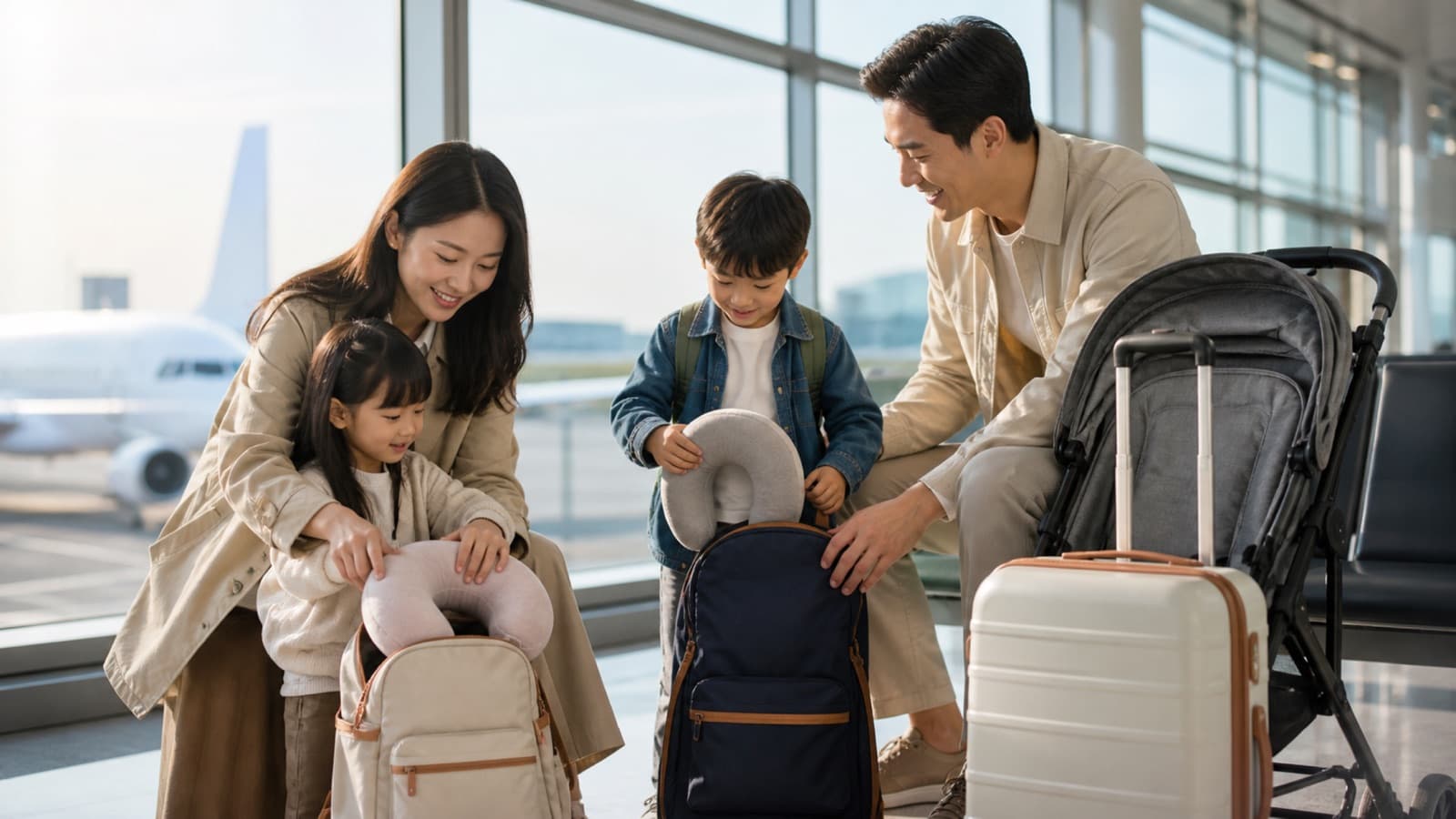
Babies are the easiest age to travel with. Nobody believes that until they've flown with a two-year-old. A baby needs no entertaining. She sleeps in transit. She has no opinion about the destination. The hard part is logistics, and logistics can be solved at a kitchen table three weeks out. A toddler's difficulty can't be solved at all.
Before you book anything
She needs her own passport. It takes longer than you'd think, so start before you look at flights. Check the visa and entry rules for infants separately. They aren't always the same as yours.
Under-twos usually fly on your lap for a small fee. On a long flight, price a seat with an approved car seat in it. Safer, and a lot more comfortable for the whole row. Want a bassinet? Book it when you book the flight. Check-in is too late. There are very few, they go early, and there's a weight and length limit nobody mentions until the gate.
Check the airline's rules on milk, formula and expressed milk. They're exempt from the liquid limits, but the process varies. And buy travel insurance that names the baby. Boring. You'll need it about once a decade.
Take-off, landing, and the ears
Ear pain on descent is what upsets babies most. It's caused by the pressure change. The noise bothers her far less than you'd think. Swallowing fixes it. Feed on the way up and, more importantly, on the way down. Breast, bottle or dummy, whichever she takes.
Descent starts earlier than people prepare for, usually thirty to forty minutes before landing. Don't wake a sleeping baby to feed her for it. She swallows in her sleep, and a sleeping baby is rarely in pain. Heavy cold or ear infection? Avoid flying if you can. Blocked ears turn mild discomfort into real pain. If you must fly, ask a doctor first.
The cabin bag
Everything you'll need lives in this bag. For the length of the flight, the hold may as well be in another country.
Nappies: one per hour of travel. Then double it. Delays are normal, and you don't want to run out in the air. Two full changes of clothes for her. One clean top for you, which is the item everyone leaves out and regrets for nine hours. Wipes, nappy sacks, a changing mat that folds small.
More feeds than the journey needs. Formula pre-measured into pots, since there's hot water on board. A muslin. It's a sunshade, blanket, burp cloth and privacy screen, and it smells of home. A dummy if she takes one, a spare, a clip. Infant paracetamol at the right dose, plus any regular medication, in hand luggage. Hand sanitiser for the tray tables. Don't think about the tray tables.
The nappy half of packing
Sleep, which decides everything
Sleep makes or breaks the trip. The transit is survivable. Two rules cover most of it. Keep the sleep setup recognisable. Move to local time the moment you land.
Bring the familiar parts. Same sleep sack, same short routine, same phrase at the end of it. The room will be strange. The sequence shouldn't be. In a strange room, blackout matters most. Pack portable blinds, or bin bags and tape.
Use a travel cot with a firm flat surface. The safer-sleep rules don't go on holiday. Switch to local time on arrival and use daylight. Babies adjust faster than adults, usually within a few days. Expect two bad nights. Plan nothing for the first morning.
Cars, taxis and the rules people drop
Car seat rules don't relax on holiday. People let them slide anyway. Rear-facing, fitted properly, every single time. Taxis included. If a taxi can't take one, wait for one that can. However hot the pavement.
Stop every couple of hours. Once you're out of the car, don't leave her asleep in the seat for long. Sitting propped up like that can restrict a young baby's breathing. Never leave a baby alone in a parked car, not even briefly. Interior temperatures climb fast. Hiring a seat abroad? Find out exactly what you're getting before you land. Bringing your own is often easier, and it flies free on many airlines.
Mentioned above
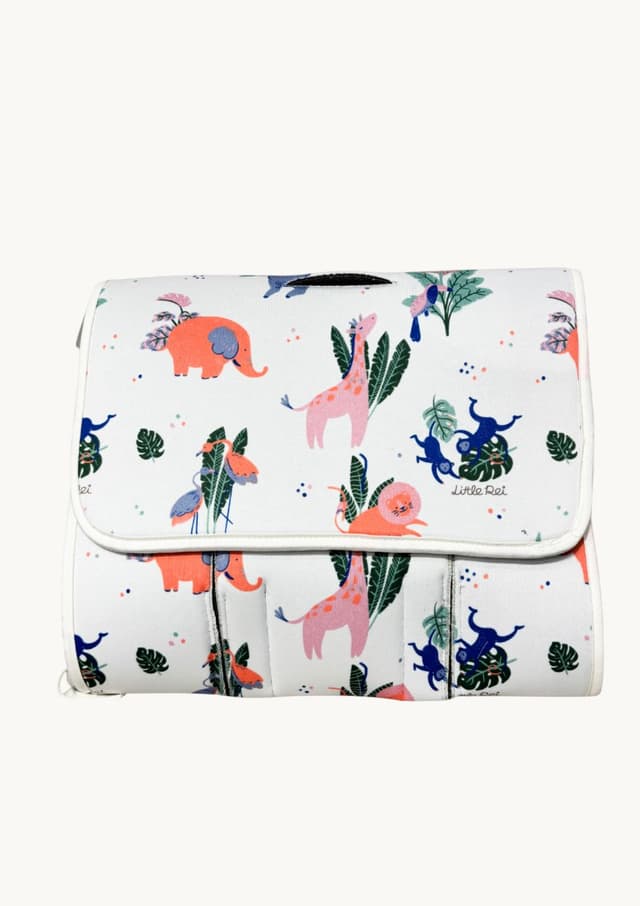 Universal Stroller CushionS$59.00Shop now
Sun, heat and health
The under-six-months rules are stricter than most people expect. Below six months, no direct sun at all. Shade and clothing, no sunscreen. From six months, sunscreen joins the shade and the hat. Reapply it far more often than feels reasonable. Every hour, I think. Not sure I've ever managed it.
Babies dehydrate fast in heat. Feed more often. A breastfed baby under six months needs no water, only more feeds. Before you go, find the nearest medical facility and read what your insurance requires of you. Check vaccination requirements early. Several can't be given to young infants.
Lower your expectations
A holiday with a baby is childcare somewhere new, with worse equipment and no idea where anything is kept. Book it in that spirit and it's often lovely. Book it as a rest and it disappoints everyone. I've done it both ways.
A short flight. Somewhere with a kitchen. Half the itinerary you'd otherwise write. One good afternoon is a successful holiday. Two is a triumph.
The ones people ask me
Does a baby need a passport to fly?
Yes. Babies need their own passport for international travel, and applications take longer than most people expect. Check visa and entry rules for infants separately, as they aren't always the same as for adults.
How do I stop my baby's ears hurting on a plane?
Get them swallowing during descent: a breastfeed, a bottle or a dummy all work. Descent matters more than take-off and usually begins 30 to 40 minutes before landing. Don't wake a sleeping baby to feed, because babies swallow in their sleep anyway.
How many nappies should I pack in hand luggage?
One per hour of travel, then double it. Delays are routine, and running out mid-journey is the most common packing regret. Add two full changes of clothes for the baby and a spare top for yourself.
How do you manage baby sleep on holiday?
Keep things familiar (same sleep sack, same short routine, same phrase) and make the room dark. Switch to destination time the moment you land, and expect the first two nights to be poor.
Where the numbers come from
This guide is general information, written to help you understand a topic and ask better questions. It is not medical advice and does not replace your own doctor, midwife or paediatrician. Anything that worries you about your baby belongs with them.