

31 August 2025 · Jennifer Wijaya
Finance Director · Mother of one, expecting
Nesting: Preparing Your Home for a Newborn
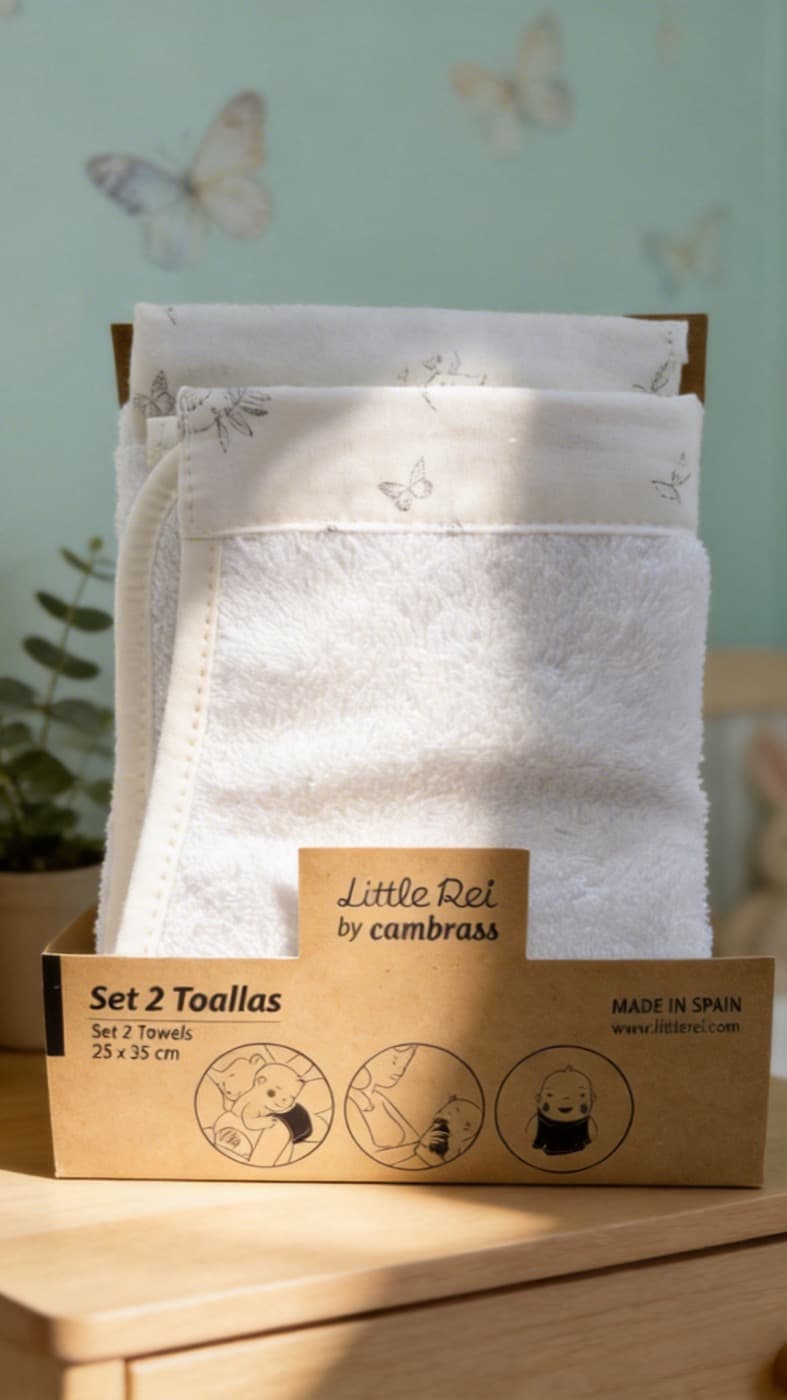
Somewhere in the third trimester many of us are seized by an urge to reorganise cupboards that have been fine for years. Nesting is real, common and handy, provided it's aimed well.
The trap is spending the energy on the photogenic jobs, a themed nursery, an alphabetised bookshelf, while the jobs that have the newborn weeks go undone. This is the aimed-well version, written while doing it for the second time.
What a newborn requires on day one
4 systems, and the room can wait. Somewhere safe to sleep, a way to feed, a place to change, clean clothes. A baby has no opinion about the mural.
| System | What it needs on day one |
|---|---|
| Sleep | Cot or bedside bassinet assembled and positioned away from windows, blind cords and direct air-con draught. Two or three fitted sheets. Sleep sacks or swaddles in place of loose bedding. |
| Feeding | A comfortable chair with arm support, water within reach, muslins everywhere. If bottle feeding: bottles, a way to sterilise, and the routine practised once before it's 3am. |
| Changing | One properly stocked station where changes will happen, plus a basket copy of it on each floor you live on. |
| Laundry | Everything for the first month washed in fragrance-free detergent and put away by size. |
On the sleep space, safer-sleep guidance is consistent across countries: a firm flat surface with nothing soft in it. No pillows, no duvets, no bumpers, no toys, and the cot in your room for the early months.
What pays off most in the newborn weeks
Ranked by how much it helps at 3am, which is a very different order from how it feels in the third trimester.
| Rank | What | Why it pays |
|---|---|---|
| 1 | Freezer meals | A dozen portions of things you like beats a month of heroic cooking plans |
| 2 | Feeding baskets beside every seat | Muslin, water, snack, charger, lip balm. The person pinned under a sleeping newborn can't get up for any of it. |
| 3 | The admin nobody enjoys | Registering the birth, insurance and clinic paperwork, and the phone numbers on the fridge and not in a phone |
| 4 | Logistics on rails | Repeat orders for diapers, bills on auto-pay, and a visitors policy agreed before the doorbell decides it |
| 5 | One conversation | Who does nights, who guards the door, who cooks. The plan will bend; having one still helps. |
What each job costs you, in the currency that is short
Money is the usual axis for this and it's the wrong one. In the last month of a pregnancy the scarce resource is energy, and most nesting advice assumes an unlimited supply. I'd guess I had about a third of what I planned for.
| Job | Effort | When it pays back | Worth it? |
|---|---|---|---|
| Batch-cook and freeze 10-14 meals | High: one long day | Every day of the first fortnight | The highest return on this list |
| Set up the sleep space properly | Low | Night one | Yes, and it's a safety job |
| Wash and sort 0-3 month clothing | Low | Week one | Yes. Sort by size |
| Second changing station where you sit in the evenings | Very low | Daily, for months | Yes, and almost nobody does it |
| Stock the bathroom and the kitchen | Low | Week one | Yes. You won't want to shop |
| Deep-clean the whole flat | Very high | Never | No. It won't stay clean |
| Decorate or theme the nursery | High | For you, not the baby | Only if it's the part you enjoy |
The freezer is the one I'd defend hardest: 10 to 14 meals is one exhausting Saturday and it removes a daily decision at the exact point when decisions are hardest to make, and nothing else on the list comes close. The deep clean is the one to let go. It's the job nesting most often produces and the one with the least return. A newborn has no opinion about skirting boards. If somebody offers help in the last fortnight, point them at the freezer, not the floor. Do the sleep space early, because it's the only item here that's a safety job and not a convenience: firm flat mattress, fitted sheet, nothing else in the cot, in your room for the first 6 months.
What needs buying
What can wait
All of it is fun. None of it is needed before about 4 months.
| Job | Until when |
|---|---|
| The finished nursery | Many babies sleep beside their parents for months. The feature wall can happen with a baby in the house. |
| Toys, activity gyms, books | A newborn's entertainment is a face at 25cm |
| Clothes beyond 3 months | Sizes and seasons are guesses. Buy later, buy right. |
| Baby-proofing cupboards and sockets | That's a crawling problem, and crawling is months away |
| The hospital-grade clean | A newborn needs a reasonably clean home, not a sterile one |
One exception. Anchoring tall furniture to the wall should happen now, while there's time and nobody underfoot.
Mentioned above
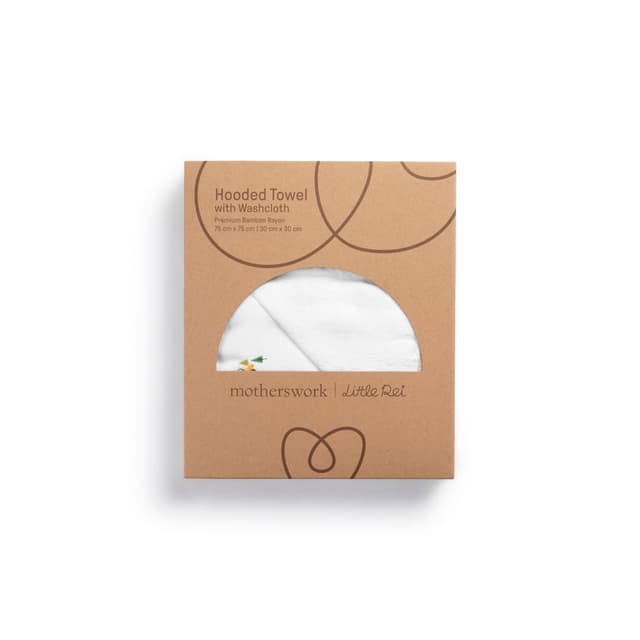 Bamboo Hooded Towel & Wash Cloth Set (Outdoor)S$39.90Shop now
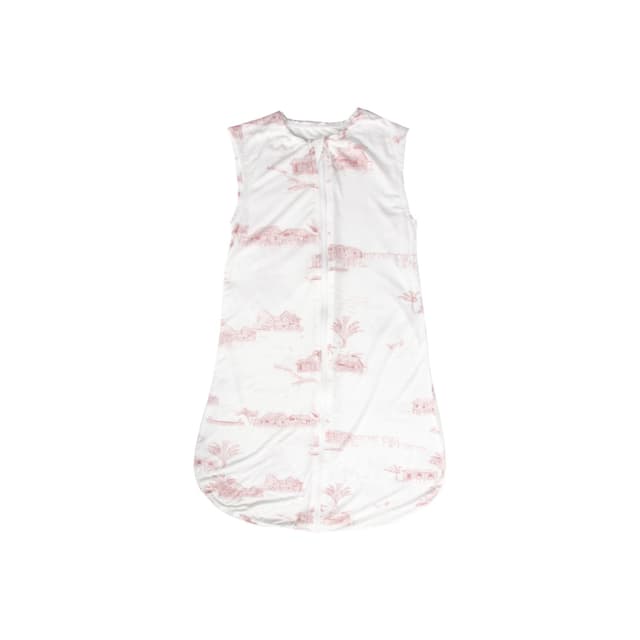 Sleep Sack (6-12M)from S$49.00Shop now
Cautions on the nesting itself
The urge arrives attached to a body that shouldn't be up ladders or shifting wardrobes. Delegate the climbing and the heavy lifting. Ventilate and check the labels if you're painting, and hand that job over entirely where you can.
Treat exhaustion as a stop signal. Nesting that ends in a strained back the week before labour has defeated its own purpose.
If the urge never arrives, that's equally normal and predicts nothing about the parent you're about to be.
The numbers people ask for
What do I need ready before the baby arrives?
Four working systems: a safe, bare sleep surface set up to safer-sleep guidance. A feeding setup you have practised. A stocked changing station. And a month of washed clothes. Everything else, including the finished nursery, can happen with a baby in the house.
What shouldn't be in a newborn's cot?
Anything soft or loose: pillows, duvets, bumpers, soft toys. A firm flat mattress, a fitted sheet and the baby in a swaddle or sleep sack is the whole setup, with the cot in your room for the early months.
Is nesting during pregnancy real?
Yes. A strong urge to prepare and organise is common in late pregnancy. Aim it at freezer meals, feeding stations and admin, and keep it away from ladders and heavy furniture, and its absence is just as normal as its presence.
When should I baby-proof the house?
Most baby-proofing is for a mobile baby, months away. The exception that deserves doing before birth is anchoring tall furniture to the wall, easiest now, and the one hazard that should never wait.
This guide is general information, written to help you understand a topic and ask better questions. It is not medical advice and does not replace your own doctor, midwife or paediatrician. Anything that worries you about your baby belongs with them.