

27 September 2025 · Jennifer Wijaya
Finance Director · Mother of one, expecting
What to Pack in Your Hospital Bag (and What to Leave Out)
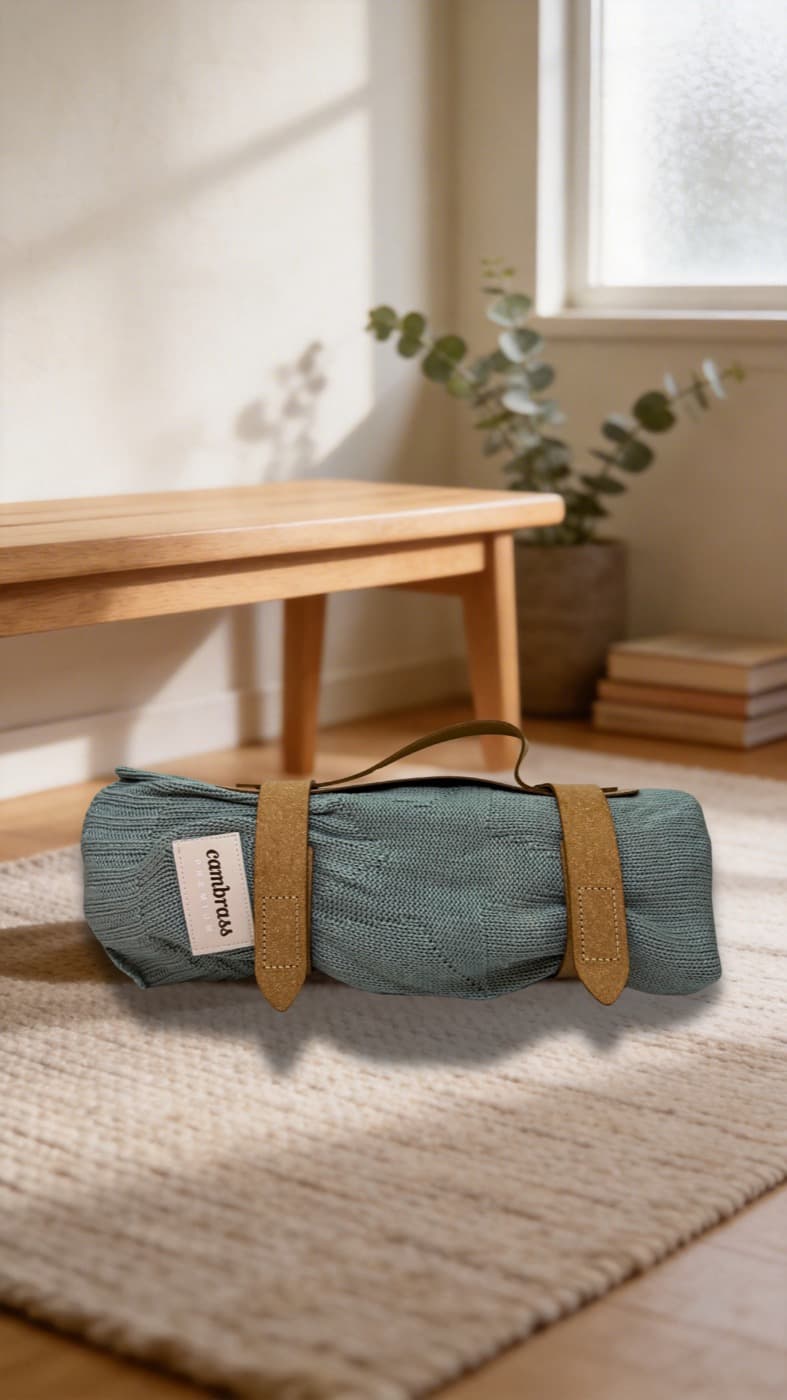
Every hospital bag list has the same flaw. It was written in daylight, by somebody calm, imagining a tidy sequence of events. The bag gets opened at 2am by a person in labour and a partner who can't find anything and has started taking things out onto the floor, which I've watched happen once and am packing differently for the second. The aim isn't completeness. It's that the right thing can be found by a stressed person in the dark, in one reach. Pack in pouches, label them, and tell your partner what's in which pouch before the day.
When it needs to be ready
By 36 weeks, somewhere you won't trip over it and your partner can't miss it. Full-term labour can start from 37 weeks, and the version of you having contractions doesn't want to be hunting for a phone charger.
Twins, or any suggestion the baby may come early: bring that forward to 32.
| For | Essentials | Often forgotten |
|---|---|---|
| Labour | ID, notes, birth plan, phone charger, hair tie | Lip balm, flip-flops, snacks |
| You, after | Maternity pads, dark underwear, nursing bras, loose clothes | A going-home outfit that still fits the bump |
| Baby | Bodysuits, sleepsuits, nappies, muslins, going-home outfit | A hat, and a car seat fitted in advance |
| Partner | Change of clothes, snacks, cash for parking | A pillow, if staying over |
What you use in labour
Far less than the list suggests. 2 of the items below are the ones everybody ends up borrowing from a stranger.
| Item | Note |
|---|---|
| Notes, birth plan copies, hospital paperwork | The one category you can't substitute at the gift shop |
| A 2m phone cable and charger | Sockets are never near the bed |
| Water bottle with a straw, and sturdy snacks | You may manage sips. Your partner will eat everything else. |
| Lip balm and hair ties | The two most-borrowed items on any labour ward |
| Something to labour in you don't care about, plus warm socks | Wards run cold until they suddenly don't |
| Music, headphones, TENS machine with spare pads | If you're using one |
What the hospital already provides
This decides half the bag and almost no packing list covers it, because it varies by hospital and nobody wants to be wrong.
What's true here: maternity hospitals provide the basics for the baby during the stay (nappies, wipes, usually a first set of clothing and blankets) along with maternity pads and the immediate postnatal supplies for you. What you bring is what you'd use in preference to what's provided, plus everything for going home. Check with your own hospital. I'm not sure every ward does it the same way.
| Question | Why it changes the bag |
|---|---|
| Do you provide nappies and wipes for the stay? | Decides whether you bring a full pack or a handful |
| Do you provide baby clothing, or should I bring it? | Decides three outfits or one |
| Do you provide maternity pads and mesh underwear? | The single bulkiest item either way |
| Is there a fridge or a place to store expressed milk? | Decides whether the pump comes with you |
| What's the policy on the partner staying overnight? | Decides whether there's a second bag at all |
Call the ward and ask, or check the pack your hospital sends. 10 minutes on this removes more from the bag than any packing list, and the answers differ enough between hospitals here that a list written for somewhere else is close to useless.
The going-home outfit is the item to get right regardless: one size up from newborn, easy over a car seat harness, nothing that goes over the head.
The rest of getting ready
What you need afterwards
The part people underpack, because nobody talks about it beforehand.
| Item | Why it matters |
|---|---|
| Maternity pads, more than you think | More than you think |
| Cheap high-waisted underwear | If a caesarean is possible the waistband must clear the incision line |
| Front-opening nightshirt or robe, nursing bra | For skin-to-skin and feeding |
| Travel toiletries, and a towel from home | Ask beforehand whether your hospital supplies one |
| Going-home clothes that fit like mid-pregnancy | You won't be your pre-pregnancy size on day two, and that's normal |
| Earplugs and an eye mask | Postnatal wards are bright and loud, and sleep is about to become currency |
What the baby needs
Less than the marketing suggests. A newborn needs to be warm, dry, fed and safely transported. Everything else is for later.
| Item | Quantity | Note |
|---|---|---|
| Sleepsuits and vests, newborn size | 5 or 6 | Plus one in the next size up, because babies out-size their predictions |
| Newborn diapers, cotton wool or water wipes | 1 pack | Most hospitals don't supply diapers |
| Muslin swaddles | 2 or 3 | The single hardest-working item in the bag |
| Hat, and a cardigan if the weather calls for it | 1 | Newborns lose heat through the head, in air-conditioned wards and car parks alike |
| Blanket for the trip home | 1 | Light bamboo here; something warmer if you're somewhere cold |
| Car seat | 1 | Fitted in the car before labour. Most hospitals won't discharge into an unfitted seat. |
| Ready-to-feed formula, if that's your plan | Check first | Many hospitals require sealed bottles and supply none |
What to leave at home
Every one of these gets packed by somebody. None of it comes back out of the bag.
| Item | Why |
|---|---|
| Anything valuable | Hospitals are busy public buildings |
| The nursery-in-a-bag: steriliser, a week of outfits, the bin cartridge | You're staying days, not weeks |
| Scented candles and diffusers | Most wards prohibit them, because oxygen is in use |
| The pregnancy pillow | It won't fit. Bring one pillowcase from home instead. The familiar smell does more than the pillow. |
| Newborn shoes, headbands, outfit changes for photographs | Day one has other plans |
Mentioned above
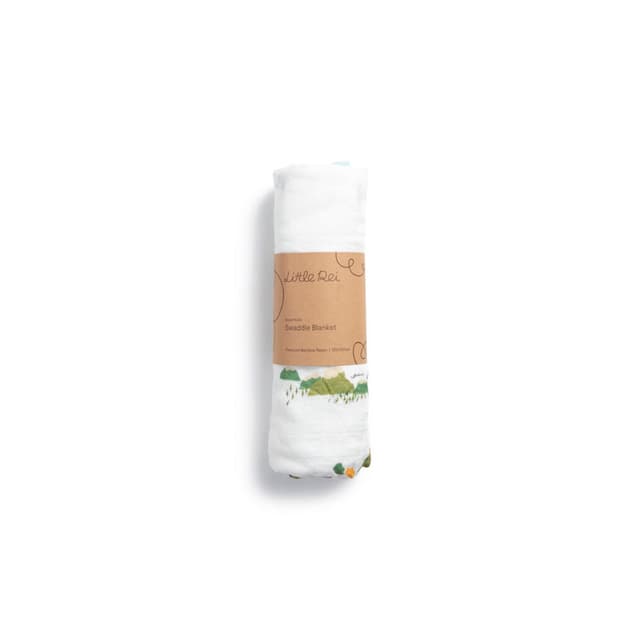 Bamboo Swaddle Single (Printed)S$29.00Shop now
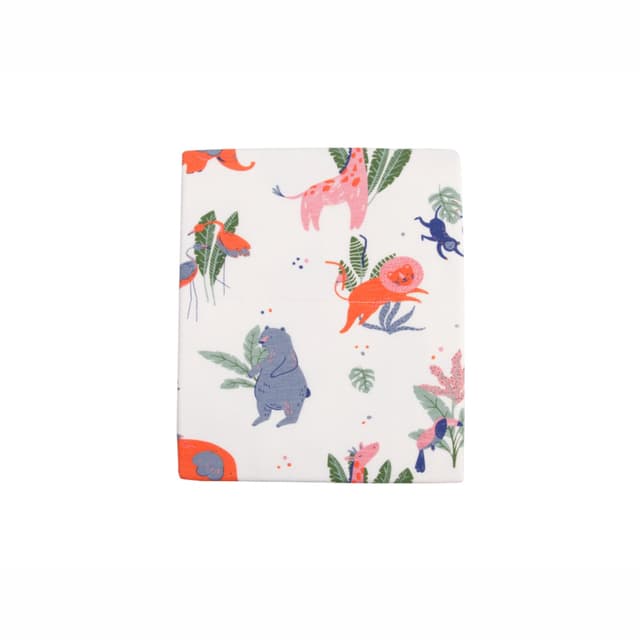 2 Layer Blanket (120x120cm)S$85.00Shop now
The partner's bag
Change of clothes, toothbrush, deodorant, snacks, their own charger, money for the car park and the vending machines.
Plus a written list of who to message, agreed in advance. The person who forgets a grandmother at 4am pays for it for a decade.
The partner's real job isn't in their own bag. It's knowing where everything in the main one lives.
This guide is general information, written to help you understand a topic and ask better questions. It is not medical advice and does not replace your own doctor, midwife or paediatrician. Anything that worries you about your baby belongs with them.