

30 October 2025 · Nina Aramway
People & Culture · Grandmother of ten
Playful Days, Peaceful Nights: Working Through Bedtime Issues With Your Toddler
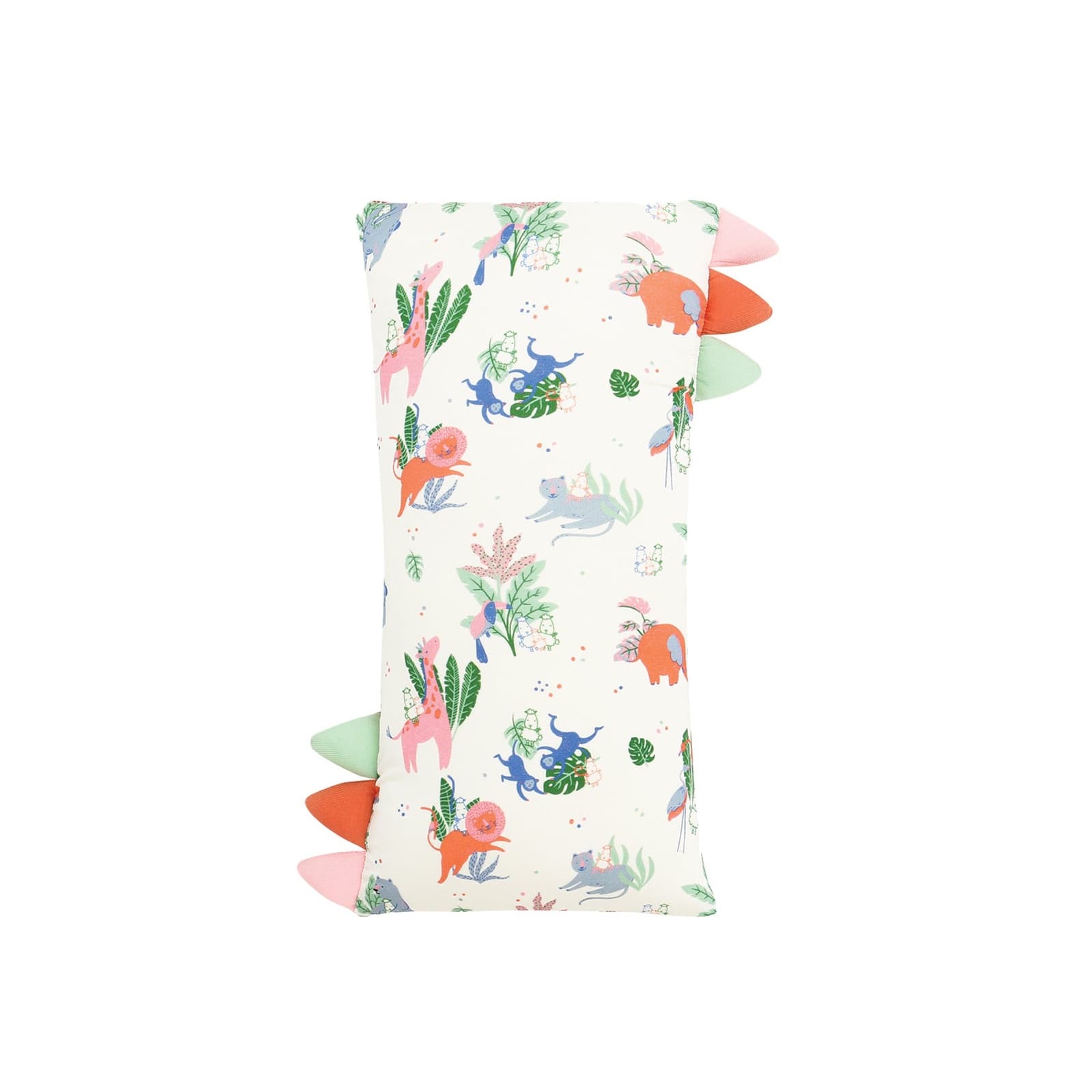
When a toddler fights bedtime, it's very rarely about whether she's tired. It's because going to bed means the day is over, everybody else is still up and apparently having a marvellous time, and bedtime is one of the very few things a two-year-old can really argue about, so she argues.
Once you see that, the problem looks different. You aren't trying to make a child sleepy, you're trying to make the end of the day feel less like something being taken away from her, and those are different jobs that need different tools.
How the day goes matters far more than anything in the last half hour of it, and three things matter most, and all three are easier to change than a bedtime standoff, though none of them is as satisfying to argue about.
Morning light and time outdoors. Even twenty minutes outside early in the day sets the body clock better than any evening ritual you could invent, and I've invented a few.
Real physical activity, which means running, climbing and carrying heavy things, not educational play, because a toddler who hasn't properly moved her body has nowhere for her evening energy to go, and it'll go somewhere, and it'll be somewhere you'd rather it didn't.
And a nap that ends early enough. The most common reason a toddler is still up at nine is a nap that finished at half past four, and most toddlers need four to five hours awake before bed, which is more than most afternoons leave.
The wind-down needs a hard edge
Toddlers find it hard to stop something they're absorbed in, and bedtime asks for exactly that, so make the end of play clear and predictable and never sudden, because sudden is what she objects to.
Give warnings that mean something. "Two more turns down the slide, then we go up" works. "Five more minutes" doesn't, because a two-year-old has no idea what five minutes is and never has, and neither, at that hour, do you.
End the play in a way she takes part in. Putting the blocks away together feels like a proper ending, while having an adult take them away feels like a loss, and she'll mourn it accordingly.
Dim the lights an hour before, and keep screens out of that hour as well, less because of the blue light than because a screen is the hardest thing in the house to walk away from, for a toddler or a grandmother. Then keep the last thirty minutes calm and warm, because one more lively game to tire her out nearly always backfires, and I've watched three generations of fathers try it.
On toddler sleep
Give away the decisions that don't matter
A toddler who has had almost no say in her day will look for some at bedtime, and the simplest answer is to give her real choices within limits, so the argument is no longer about whether bed happens at all, only how. Which pyjamas, offered as two and never as the whole drawer. Which two books, from a shelf you've already narrowed. Teeth before pyjamas or pyjamas before teeth. Which soft toy comes to bed. Whether the door stands open a hand's width or two. What stays fixed is the order of things and the fact that it ends in bed, and a routine chart with four or five pictures on it at her eye level helps a surprising amount, because then the chart is in charge and not you, and toddlers argue with charts far less than they argue with their parents, which I suspect says something about all of us.
The stalling repertoire
Water. Another book. One more cuddle. A sudden and urgent need to discuss a dog seen on Tuesday.
This isn't manipulation so much as a child who has found out that some requests are very hard to refuse, and two things stop it: build the likely requests into the routine so they've already been used up, and answer anything else with the same short, warm, boring sentence every single time, however inventive the request.
The water cup is already in the room, filled, on the shelf, and the toilet trip is part of the routine and not something she has to ask for, and the one extra request she's allowed is agreed in advance and it's only one, and she knows it's only one because you said so at the door.
Everything else meets one repeated phrase, "it's sleep time now, I'll see you in the morning", delivered identically each time. The consistency is what ends it, not the wording. You may use mine, my daughters did.
Mentioned above
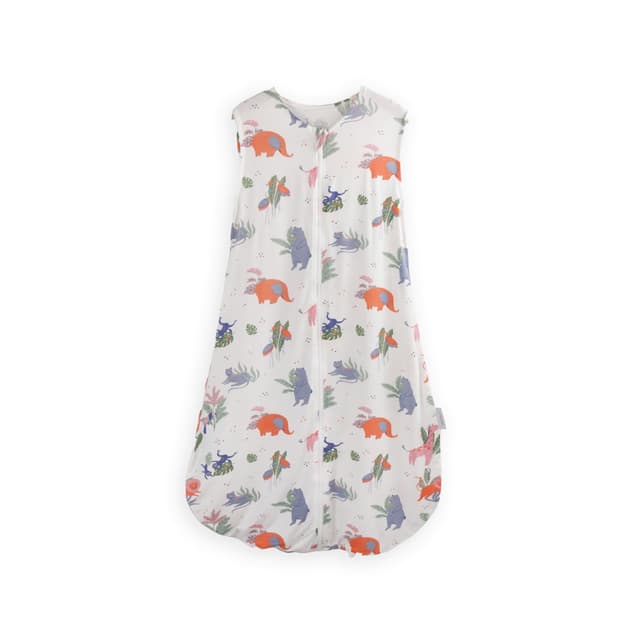 Sleep Sack (12-24M)S$65.00Shop now
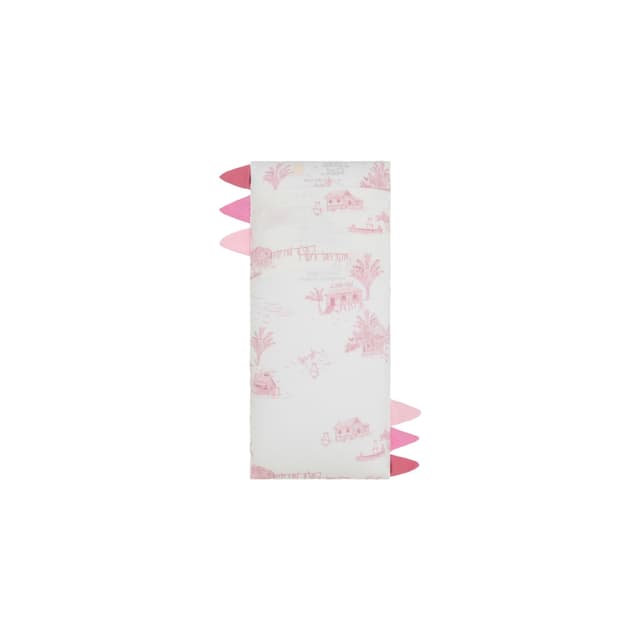 Baa Baa Sheepz Rustic Buddy Pillowfrom S$29.00Shop now
Separation is the real objection, often
For a great many toddlers the problem isn't the dark or the bed. It's being alone, and that should be taken seriously, never trained out of her, because it's a reasonable thing to mind.
Sitting in the room and moving your chair a little nearer the door every few nights takes a couple of weeks and works with her fear and not against it, and so does a quick check-in that you promise and then keep, because coming back when you said you would is what makes it bearable for her when you leave, and a broken bedtime promise is remembered for years.
A comfort object helps here, and having the same blanket or pillow go to bed every night matters far more than which one it is, and if a new sibling has just arrived, bedtime is very often where that hits hardest, so expect it.
Fighting bedtime usually peaks around two to three and eases as she talks more and the routine becomes familiar, and I'd give a new approach four to six weeks of consistency to settle, and expect it to wobble around illness, travel, a house move or a new bed, and around grandmothers visiting, who are famously bad for it.
That isn't the approach failing. That's a toddler doing what toddlers have always done with change, and it passes, and then she's four and it's a different argument.
This guide is general information, written to help you understand a topic and ask better questions. It is not medical advice and does not replace your own doctor, midwife or paediatrician. Anything that worries you about your baby belongs with them.