

26 January 2026 · Nina Aramway
People & Culture · Grandmother of ten
Baby Hates Being Swaddled: Is That Normal?
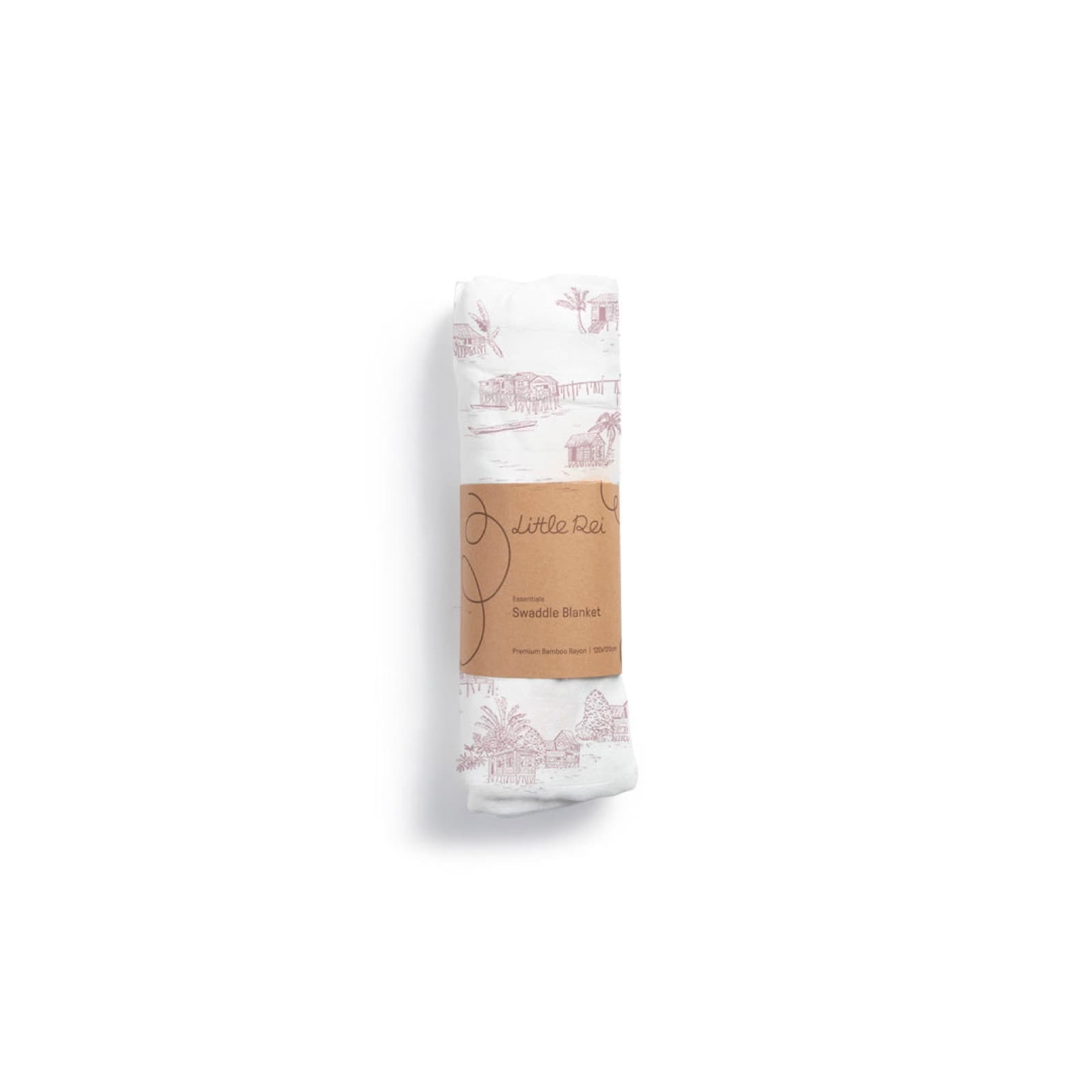
Yes, and far more often than the calm photographs suggest. I've never once seen a calm photograph taken at the moment of wrapping.
A huge number of babies protest loudly at being swaddled and then sleep beautifully in it, which is baffling the first few times and mildly funny by about week three. I've watched it in a great many households, including my own, where the loudest protester was also the best sleeper.
What counts isn't whether she protests. It's whether she's still protesting once she's wrapped.
The swaddle, or the wrapping?
These are two different complaints with two different answers, and almost nobody tells them apart, because at eleven at night they sound the same.
Wrapping a newborn means straightening arms she'd rather keep bent and holding her still while she objects. Most babies dislike that part whatever they think of the result, the same way most of them hate having a vest pulled over their head and then forget about it at once.
So run the two-minute test. Wrap her, pick her up, hold her against you, and count.
If the crying eases and she relaxes into it, she never hated the swaddle at all; she hated the ninety seconds of being handled. If she's still fighting hard at five minutes, arching and pushing with her arms, she means it, and that needs a different answer. There's no shame in either.
Wrap, hold, count to a hundred and twenty. Most parents who believe their baby hates swaddling discover she hates the wrapping.
Why the wrap is meant to help
What else it might be
Before you decide she hates swaddling, rule out the things that look the same from the outside. Half the time the answer is on this list and has nothing to do with the muslin.
| What you see | Likely cause | What to try |
|---|---|---|
| Fights during wrapping, settles after | Dislikes being handled | Nothing. This is normal |
| Red face, damp neck, kicks free | Too warm | Fewer layers underneath; check the back of the neck |
| Arches and strains at the hips | Wrapped too tight at the legs | Loosen the lower half so knees can bend and fall open |
| Roots, sucks, cries within minutes | Hungry, or hands taken away too soon | Feed first; try a hands-to-face wrap |
| Squirms and grizzles after a feed | Wind, or reflux | Wind her upright before wrapping; ask your doctor if it repeats |
| Was fine, now suddenly furious | Startle reflex fading, or rolling coming | Check for rolling, and it may be time to stop |
Good to try before you give up
Any one of these turns plenty of babies who hate swaddling into babies who'll put up with it. They cost nothing to try, and I'd go in roughly this order. Wrap her after a feed and a change, in the quiet spell before sleep, not in the middle of a protest, because you can't wrap your way out of one. Try her hands up near her face instead of straight at her sides, because a lot of newborns settle far better when they can find their hands, and two of mine would accept nothing else. Try one arm out, which is a perfectly good way to swaddle a newborn and not a failure, whatever the diagram says; some babies will only accept the wrap that way, and there's no reason not to let them. Loosen the hips before anything else, because tight legs cause more of a fight than tight arms, and the hips have to be loose anyway, so you lose nothing. Take a layer off underneath, because in a warm bedroom a nappy alone is often right, and overheating is a common reason a baby won't settle wrapped. And try a different fabric, since a stiff or heavy cloth feels quite different on newborn skin from an open bamboo weave, and some babies are very particular about it, the way some adults are about sheets.
Mentioned above
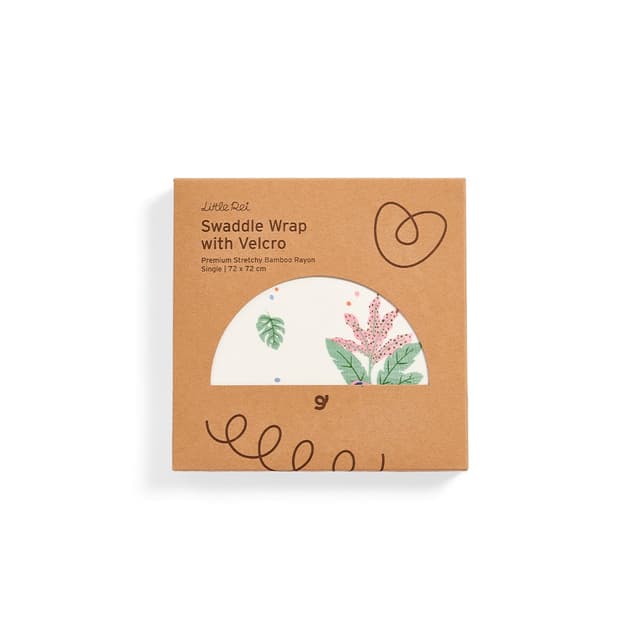 Swaddle Wrap with VelcroS$55.00Shop now
And if she really does hate it
Then don't swaddle her.
Nothing about this is compulsory, and somebody of my generation should say so, since we're the ones who tend to insist. Some babies want their arms free from the very first night. Swaddling helps most newborns, but a small number can't bear it, and she's allowed to be one of them, and you're allowed to stop trying. I'm not sure I'd have believed that in 1988.
A well-fitted sleep sack is safe from birth and keeps her covered with no wrapping at all. She'll startle more, and I won't pretend that isn't a cost, but a baby who fights the muslin for forty minutes every evening was never getting the benefit of it, and neither were you.
Mentioned above
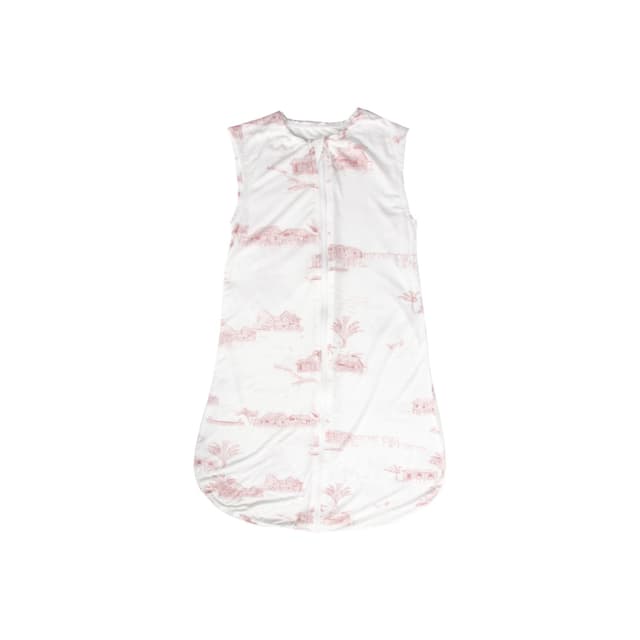 Sleep Sack (6-12M)from S$49.00Shop now
You haven't done anything wrong, and you haven't wasted the swaddles.
A 120cm bamboo square becomes a pram shade, a nursing cover, a changing mat on somebody else's sofa, and eventually the thing she won't go on holiday without. Very little bought for the newborn weeks gets that much use, or lasts that long.
Keep going
The questions I get at lunch
Is it normal for a baby to hate being swaddled?
Yes. Most babies protest during the wrapping itself and settle within a minute or two afterwards. A small number dislike being wrapped and do better with arms free.
How do I know if my baby dislikes the swaddle or just the wrapping?
Wrap her, hold her, and wait two minutes. Settling within that window means she objected to being handled. If she's still fighting hard at five minutes, she really does dislike it.
Can you swaddle a baby with one arm out?
Yes. One arm out is a normal way to swaddle a newborn and often suits babies who resist a full wrap. Both arms must be free once she starts rolling.
Why does my baby cry when I swaddle her but sleep well after?
Because the wrapping involves straightening her arms and holding her still, which she dislikes, while the result is the even pressure that calms the startle reflex.
What can I use instead of a swaddle?
A well-fitted sleep sack, which is safe from birth. She'll startle more without the wrap, but a baby who fights swaddling every evening isn't getting its benefit anyway.
What I read before I wrote
This guide is general information, written to help you understand a topic and ask better questions. It is not medical advice and does not replace your own doctor, midwife or paediatrician. Anything that worries you about your baby belongs with them.