

27 January 2026 · Veronica Chi
Business & Product Director · Mother of two
Baby Keeps Breaking Out of the Swaddle: What to Do
I've wrapped a great many babies badly, including both of mine. The good news about this problem is that it's nearly always the technique.
You wrap her at eight. By half past ten one arm is out. By two in the morning the muslin is a heap at her feet and she's awake and furious about it.
It's one of the most common newborn complaints, and almost every time the wrap can be fixed.
Almost every time. Before you try any of the fixes, rule out the one cause that means stopping altogether.
First. Is she trying to roll?
Leaning hard to one side. Lifting a hip off the mattress. Tipping over during play, even once.
If you've seen any of those, swaddling is coming to an end. Escaping the wrap is often the first thing a parent notices, before they've realised she's trying to roll.
If that's what's happening, stop swaddling tonight and nothing else here applies to you.
If she isn't trying to roll, she's simply a strong newborn who's good at wriggling free.
Check this first
Is the escaping itself dangerous?
The escape itself isn't the problem. What it leaves behind is.
A half-undone swaddle is loose fabric in a cot, sometimes near her face, which is exactly what every safe-sleep guideline tells you to keep out.
A baby who escapes every night either needs to be wrapped properly or needs to stop being swaddled. Leaving it as it is, night after night, isn't an option.
Why she gets out
It's almost always the technique, and usually one of these.
| What you see | Likely cause | The fix |
|---|---|---|
| One arm out within minutes | Arm was bent when wrapped | Straighten the arm before folding the corner over |
| Whole wrap loosens gradually | Not tucked under her body weight | Tuck each corner under her back, not just across |
| Fabric slides open | Slippery or too-small cloth | Larger square, 120cm, with a muslin weave that grips |
| Escapes then screams | Too tight, or too hot | Loosen at the hips; check the back of her neck |
| Escapes only after a feed | Wrapped over a full, unwinded tummy | Wind her first, then wrap |
| Nightly, with force | She has simply outgrown it | Move to a sleep sack |
How to make it hold
Tighter at the arms, looser at the hips. That's the key, and most people get it the wrong way round. I suspect I did for the first fortnight.
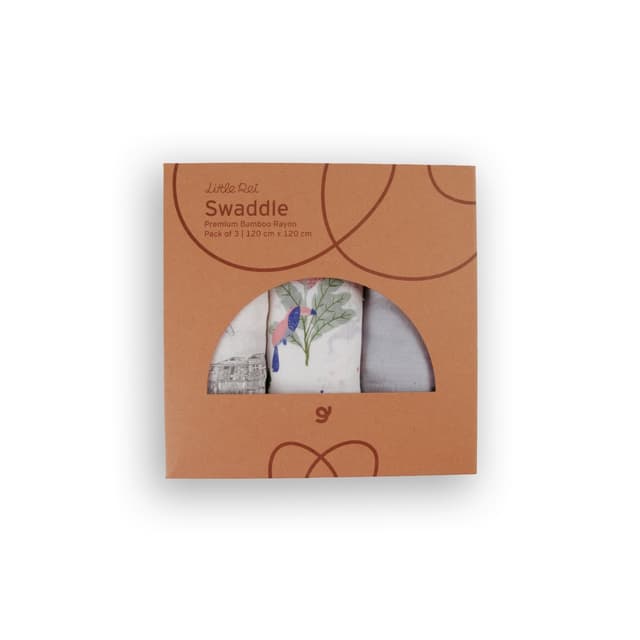
- Use a bigger square. Many escapes come down to size: a 120cm square gives you enough cloth to tuck properly, and a 70cm receiving blanket doesn't.
- Straighten each arm fully before you fold the corner across. A bent elbow is a lever, and she'll find it.
- Tuck under her body, not just around it. Her own weight keeps the wrap in place, and fabric laid over the top will always come loose.
- Start the first fold at her shoulders, not her neck. If it starts too high, the whole wrap has room to loosen.
- Keep the hips loose. It sounds backwards, but a baby whose legs are held tight pushes much harder than one whose legs can bend.
- Wrap her when she's drowsy, never when she's furious. A crying baby goes stiff, and a wrap put on a stiff body goes loose as soon as she relaxes.
- Check the temperature before blaming your technique. In a warm room, getting out of the wrap is often her only way to cool down.
Whether to just buy a velcro wrap
For a determined escape artist, yes. Nobody is marking your folding.
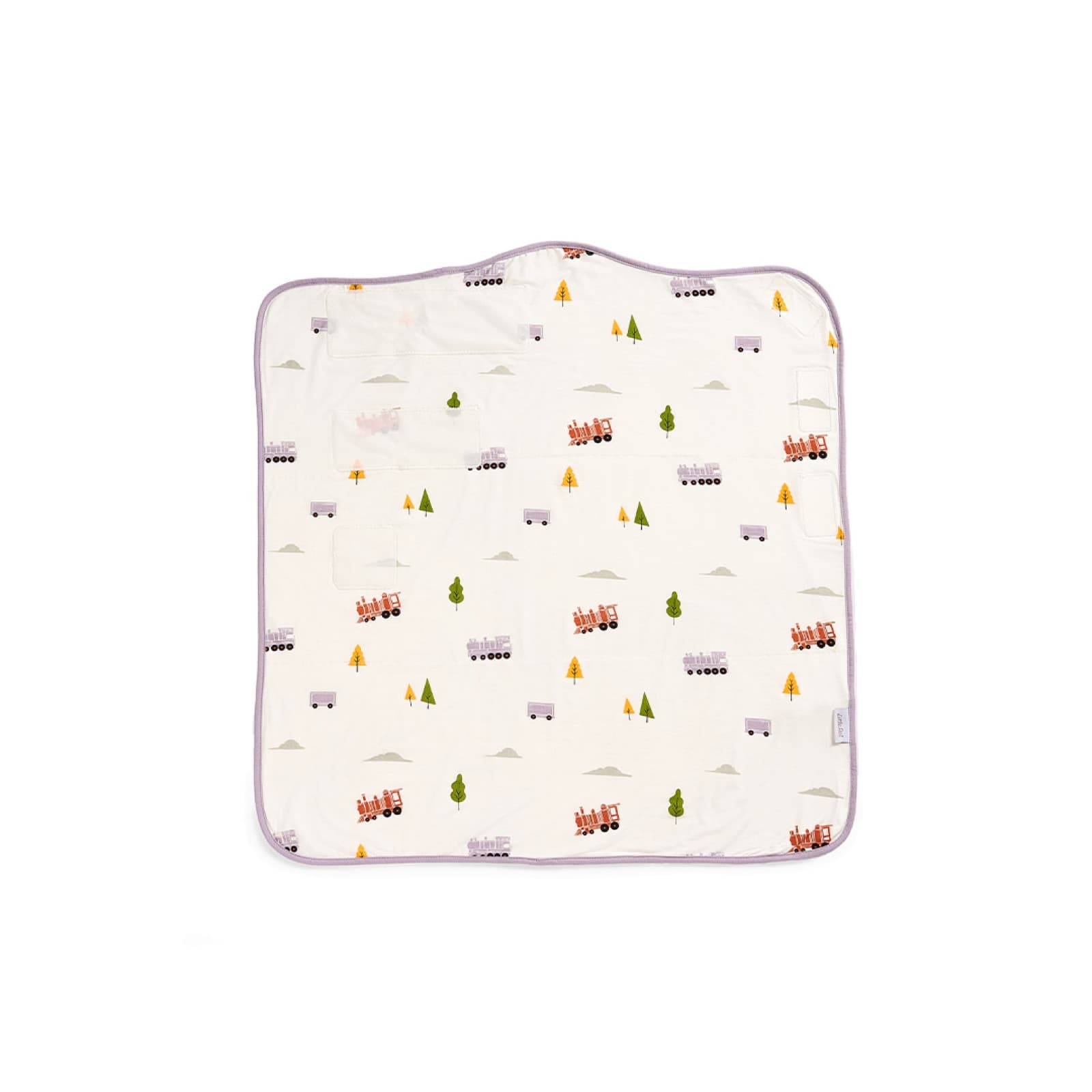
A shaped wrap with tabs stays put where a folded square slips. It survives being redone at 3am by somebody barely awake, and it takes technique out of it completely, which at that hour is all you want.
Mentioned above
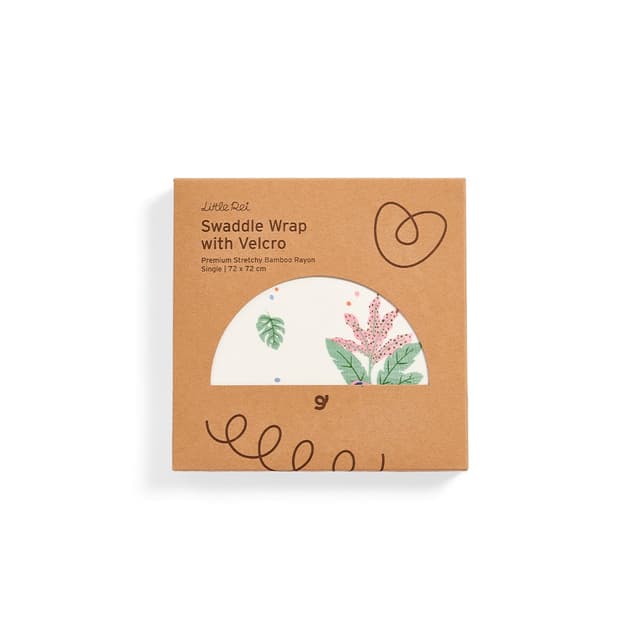 Swaddle Wrap with VelcroS$55.00Shop now
It also makes the ending easier. One wing left open for a few nights is a far gentler step down than trying to half-fold a muslin around one free arm at midnight.
If you'd rather stay with muslin, buy the bigger size, and buy more than one. With two or three in rotation, your favourite is never the one in the wash at bedtime.
When she's simply telling you she's done
Say you've used a well-made wrap of the right size and tried every fix here, and she's still out of it within the hour, night after night. Then she has finished with swaddling, whatever the calendar says, and the kind thing is to believe her. Move to a sleep sack. Keep everything else about bedtime exactly as it was. Expect a scrappy week.
Within a fortnight you'll be using the muslins for something else. You always are.
What comes next
Common questions
Why does my baby keep breaking out of her swaddle?
Usually because an arm was bent when she was wrapped, the cloth is too small to tuck properly, or the corners were laid across her and not tucked under her body weight.
Is it dangerous if my baby gets out of her swaddle at night?
It leaves loose fabric in the cot, which is a suffocation risk. A baby who escapes every night needs either a wrap that stays on or a move to a sleep sack.
What size swaddle stops a baby escaping?
Around 120cm square. Smaller receiving blankets rarely leave enough fabric to tuck securely under a growing baby.
Are velcro swaddles better for escape artists?
Generally yes. A shaped wrap with fastening tabs holds more reliably than a folded square and removes the technique variable at 3am.
Does breaking out mean my baby is ready to stop swaddling?
Sometimes. If a correctly sized, correctly wrapped swaddle fails every night, or she's showing any rolling attempts, stop swaddling and move to arms-free sleep.
Sources
- The Lullaby Trust: Swaddling and slings
- American Academy of Pediatrics: A Parent's Guide to Safe Sleep
This guide is general information, written to help you understand a topic and ask better questions. It is not medical advice and does not replace your own doctor, midwife or paediatrician. Anything that worries you about your baby belongs with them.