

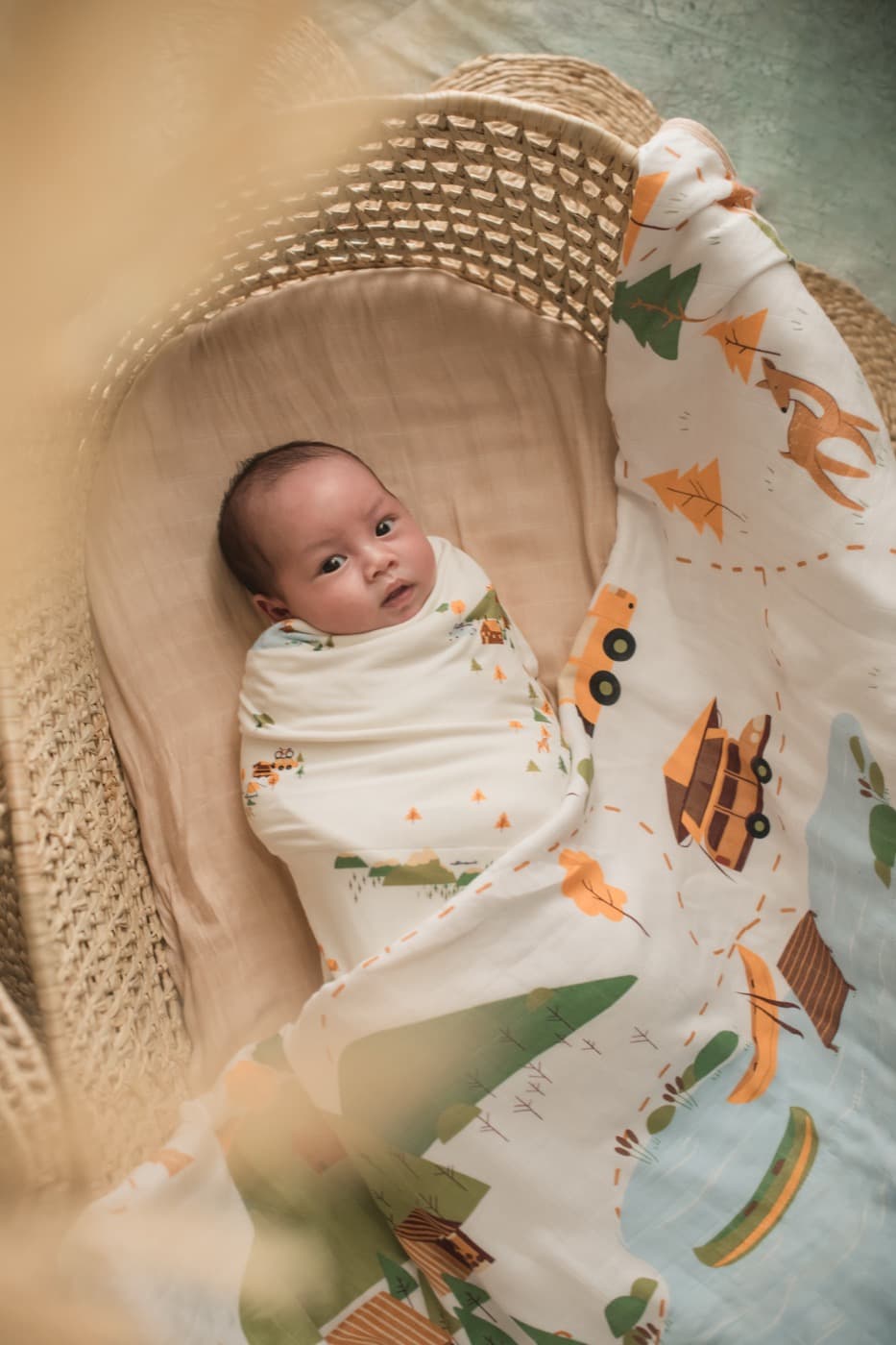
Watch a newborn being wrapped and you can see the moment it takes. The flailing slows, the breath lengthens, the whole small body gives in, and if you've been up since four you may find you do too.
Swaddling has outlasted every fashion in parenting advice for that reason alone, and I say that as somebody who has watched a great many fashions come and go, and adopted several. It isn't nostalgia. It's the first language your baby understands, which is the language of being held.
For months she lived in the closest quarters she'll ever know, and the open cot is vast by comparison, so a swaddle carries her across that distance gently, and the reasons for it are as practical as they are old, and they're very old.
Why it calms a newborn
In the womb she was held evenly on every side, warm and folded in on herself, and the wrap recreates that steady even pressure, and her nervous system reads it fluently: safe, contained, time to rest, which is more than most of us manage.
Then there's the Moro reflex, the startle that flings her arms wide and pulls her out of a sleep she had barely entered. Wrapped, her arms are softly kept and the reflex passes through without waking her, and a great many parents find this one thing returns an hour of the night to them, and an hour at that stage is a fortune.
You'll see it before you believe it. The same baby who fussed and flailed her way toward sleep goes heavy-lidded within minutes of being wrapped, and that isn't luck, it's biology met halfway.
Does it help them sleep longer?
Generally, yes. A swaddled newborn startles less, settles sooner, and drifts back down between sleep cycles with rather less help from you, which is the part you'll notice at two in the morning.
The wrap becomes a cue in its own right: muslin, dim light, feed, cot, and babies keep faith with repetition, and exhausted parents learn to as well, and so, eventually, do grandmothers.
It travels, which is the part I've come to value most. A familiar swaddle makes the nap at a grandmother's flat, or in the pram between errands, feel like the nap at home, because the fabric has the ritual with it, and I've been on the receiving end of that in Hong Kong with a baby who had flown in from somewhere else entirely and slept as though she'd never left.
Swaddling belongs to the newborn weeks. At the first signs of rolling, usually around two to three months, it ends and arms-free sleep begins.
Is it safe?
Done properly, yes, and it's widely recommended for newborns. On her back always, snug at the chest and loose at the hips, face open to the air, nothing loose in the cot beside her, and stopped at the first signs of rolling.
Every one of those rules exists for a reason, and we've set them out one at a time on their own page, and I'd read it before the first night and not after, which is when people read it.
The safety rules in full
Mentioned above
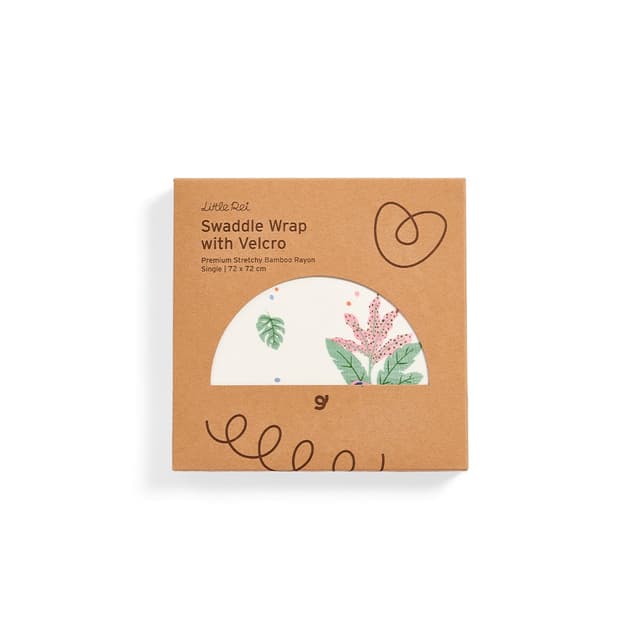 Swaddle Wrap with VelcroS$55.00Shop now
The best fabric for this climate
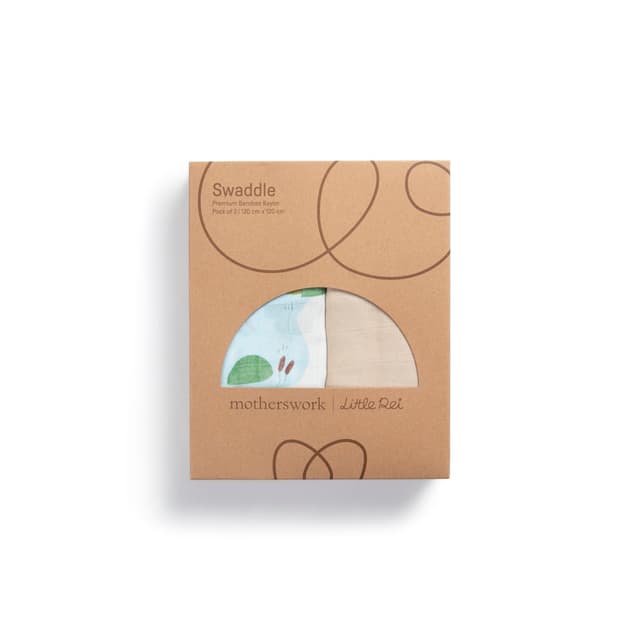
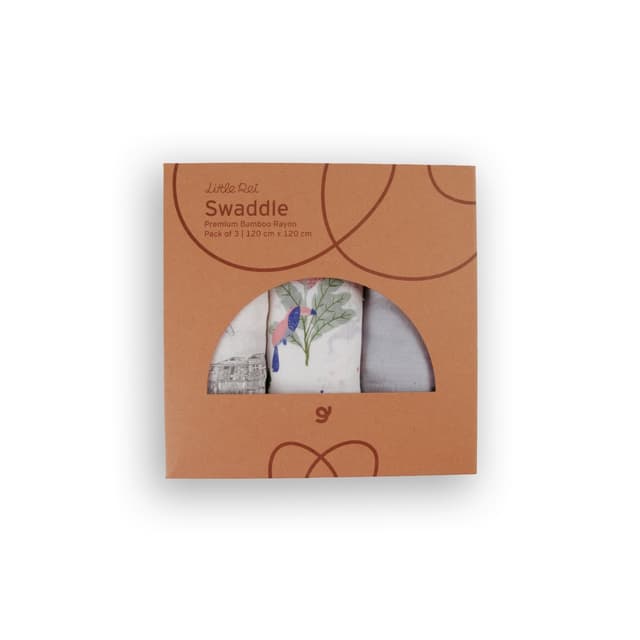
Bamboo muslin, without hesitation. It's airier than cotton, gentle against newborn skin from the first wash, and dry on the rack by morning, and our sets are cut generously for a secure wrap, and keeping two or three in rotation means the evening ritual never has to wait on the laundry, which in my house it otherwise would.
If the folding gives you pause, begin with the velcro wrap. The same snug hold, none of the technique, and the three in the morning resettle becomes a far kinder affair for everybody involved, including whoever is asleep in the next room.
Swaddling doesn't last, and that's rather the point of it. For a handful of fleeting weeks it gives your baby the thing she misses most, which is the feeling of being held, while you finally get some rest, and then it's over and she's a different baby. I forget how long each of mine lasted. Weeks, all of them.
And when those weeks close, the muslin goes on, draped over the pram, folded over your shoulder, drawn across a cafe table as a nursing cover, and very few things chosen for the newborn days repay their keep so completely, or so long.
This guide is general information, written to help you understand a topic and ask better questions. It is not medical advice and does not replace your own doctor, midwife or paediatrician. Anything that worries you about your baby belongs with them.