

10 August 2026 · Nina Aramway
People & Culture · Grandmother of ten
Is Swaddling Safe? The Rules That Matter
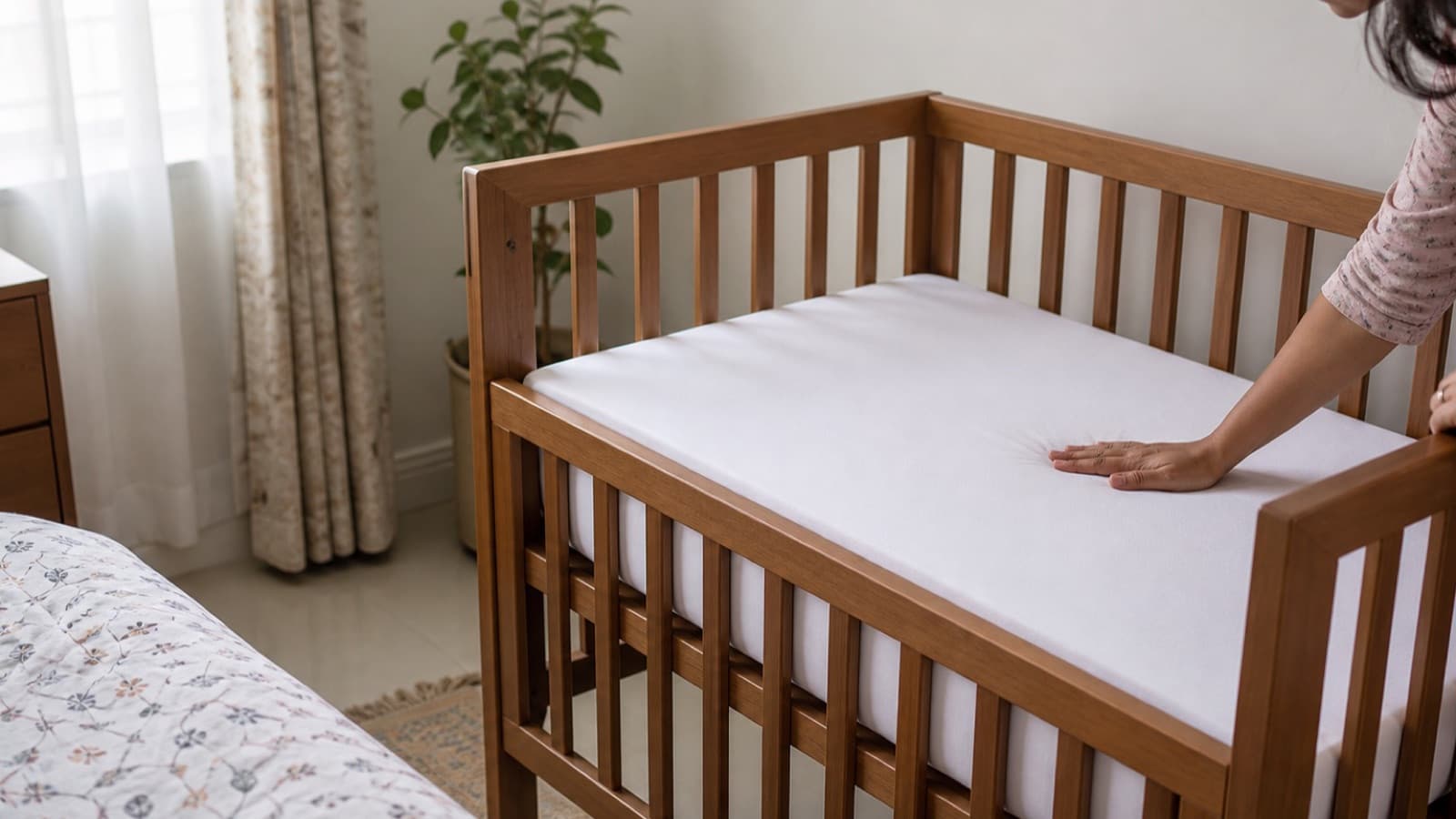
Yes, for a newborn who isn't yet rolling, provided four things are true at the same time.
That condition is the answer. With swaddling, safety is all in the detail, so "generally fine" is no use to somebody standing over a cot at eleven at night wondering whether they've done it right. I've been that somebody.
The four rules
All four, every time. Three out of four isn't a safe swaddle; it still has the risk in it. First, on her back, every sleep. A swaddled baby must never be put down on her front or her side. This is the most important rule, the one the evidence is clearest about, and the one my generation was told least clearly. Second, snug at the chest and loose at the hips. You should be able to slide two or three fingers between the muslin and her chest, and her legs should be free to bend up and fall open like a frog's, which they'll do on their own if you let them. Third, face clear of fabric and nothing else in the cot: no loose corner near her mouth, no pillow, no bumper, and no second blanket over the top, however cold the grandmother thinks the room is.
Fourth, stop at the first signs of rolling. Not the first confident roll, but the first attempt.
The fourth is the one people put off, because by then the swaddle is working beautifully. Put it off and the other three no longer keep her safe.
| Rule | Prevents |
|---|---|
| On her back, every sleep | The largest single risk factor in swaddled sleep |
| Snug at the chest, loose at the hips | Hip dysplasia from straight, bound legs |
| Face clear, nothing loose in the cot | Airway obstruction from fabric |
| Stop at the first rolling attempt | A wrapped baby face-down who can't push up |
Why rolling is the hard stop
Her arms are how she saves herself.
Face down with her arms free, a baby pushes up, turns her head and shifts her weight off her airway. She does this dozens of times a night without waking, and you never know about it, which is exactly how it should work.
Wrapped, she can't do any of that.
That's why swaddling has an end date, and it comes long before the fabric wears out. The timing has its own page, including what those first attempts look like. They're easy to miss if nobody has told you what to watch for, and nobody told me.
Read next
Wrapping the legs tightly can cause hip dysplasia. This is the one well-documented harm from swaddling done badly.
A newborn's hip joints are still forming. Holding the legs straight and pressed together puts the joint in the worst possible position to develop. That's the old way, the way you see in nineteenth-century photographs and, I'll admit, the way I was shown.
The fix costs nothing. Wrap firmly across the arms and chest, then leave the bottom half loose enough that her knees can come up and fall outward into the frog shape they want anyway.
A swaddle that looks baggy at the bottom is a correct one. If somebody of my generation tells you otherwise, hold your ground politely and do it your way anyway.
And SIDS
The swaddle on its own isn't the risk. The risk comes when it's combined with something else that raises the risk by itself.
Front or side sleeping is by far the clearest of those. A swaddled baby placed on her front is at much higher risk than an unswaddled one, and that's why the back-sleeping rule has no exceptions. Overheating and swaddling past the rolling stage are the other two.
Looked at the other way, that's reassuring. A baby on her back, in a cool room, in one light layer, with the wrap put away at the first roll, is well within every safe-sleep guideline we know of.
The practice is safe. The shortcuts aren't.
Swaddling in this heat
It's safe, but overheating is the risk that needs the most attention and usually gets the least, especially in a climate like ours where the room is warm before you've added anything.
Wrapped up, she has no way to cool herself, so how warm she is depends entirely on what you put her in an hour ago, possibly while distracted.
So here the fabric is a safety choice, not a comfort one.
Use one layer of open-weave muslin, with a nappy or a short-sleeve bodysuit underneath. No hat indoors. Check the back of her neck, not her hands, because cool hands are normal in every baby and tell you nothing, whatever the aunt says.
Mentioned above
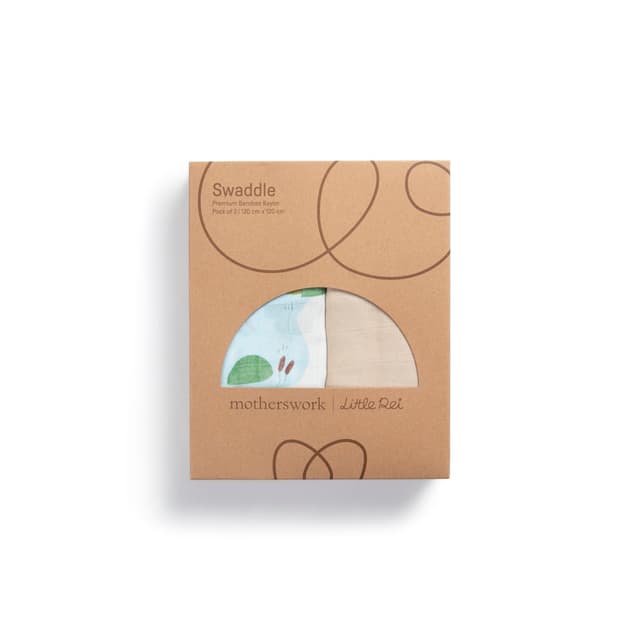 Bamboo Swaddles (2 pc)S$49.00Shop now
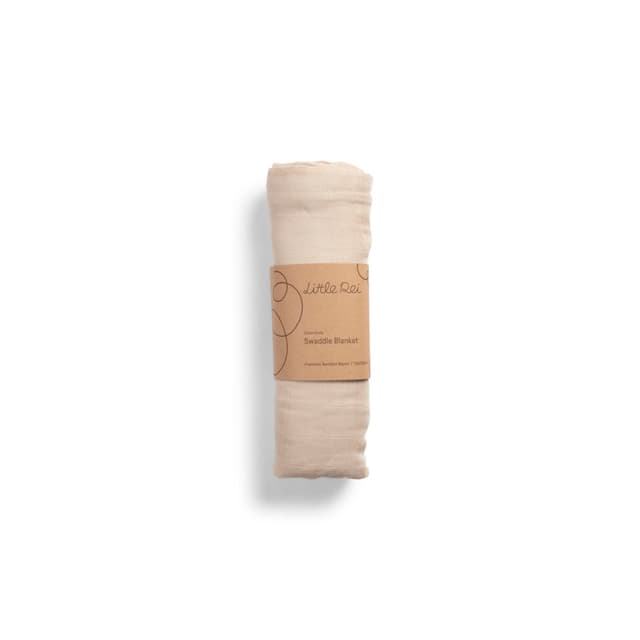 Bamboo Swaddle Single (Solid Colours)S$26.00Shop now
On heat and layers
When not to swaddle at all
The list is short.
If your baby was premature or has a known hip problem, speak to your paediatrician before you start. If she's unwell or feverish, don't add a layer by wrapping her.
Not for sleep in a car seat, a pram or a carrier, where the wrap can shift and she's already in a more curled position. A swaddle belongs in a flat cot and nowhere else.
Not during skin-to-skin, when she's showing feeding cues, or when she's awake and alert. Then she needs her hands free to find her mouth, to feed well, and to grab your hair.
None of that should put you off swaddling. Just be exact about it. Once you have the habit it takes about four seconds, and the habit takes about a week to form. Or maybe two. I'm told I'm optimistic.
This guide is general information, written to help you understand a topic and ask better questions. It is not medical advice and does not replace your own doctor, midwife or paediatrician. Anything that worries you about your baby belongs with them.