

30 August 2025 · Maia Hillsborrow
Marketing Director · Mother of five
Breastfeeding, Bottles or Both: Deciding Before Your Baby Arrives

I've fed five babies and I've done it every available way, including all three at once, and I've never once been able to tell from a three-year-old how she was fed at three weeks.
I want to help you decide, not persuade you. The evidence on breastfeeding is real and you should know it. The evidence that a mother's wellbeing counts to her baby is also real, and it gets left out of these conversations far too often.
What does each option involve?
Breastfeeding is free, always the right temperature, adapts in composition as the baby grows, and has real benefits: fewer infections in infancy, some reduction in the mother's later breast and ovarian cancer risk. It's also relentless in the early weeks, difficult to share, frequently painful at the start while the latch is being learned, and it makes you the only person who can do the night. I did the night for a year with Ilizabeth, I think, and I'm still not sure it was the right call. Formula feeding is shareable from the first night, measurable, and lets anybody take a feed. It costs money, involves sterilizing and preparation, and needs careful attention to making it up correctly, and it doesn't have the immunological benefits, and for most families in a country with clean water and good healthcare that difference is real but modest. Combination feeding is what a large proportion of families end up doing. It keeps some breastfeeding while letting somebody else take a feed, and it's a legitimate destination.
| Suits | The hard part | |
|---|---|---|
| Exclusive breastfeeding | Those able to feed on demand early on | The first three weeks; no one else can do it |
| Exclusive formula | Return to work, supply issues, preference | Cost, sterilising, night preparation |
| Combination | Most families, eventually | Supply drops if breast feeds are replaced too fast |
What to set up before birth, whatever the plan
Almost all of this is helpful in every scenario, so do it before you know which one you're in.
- Find out who your local feeding support is and save the number in your phone now. At two in the morning in week one you won't be researching.
- Learn what a deep latch looks like, from a video or a class, so you have something to compare against.
- Know that the first two weeks are the hardest regardless of method, and that most people who stop, stop then.
- Have a plan for who does what at night. This matters more than any equipment.
- If you might use bottles at all, have one or two and a way to sterilize them, without buying an entire system in advance.
- Decide in advance what your own limit is, and tell your partner. Not a target, a limit, the point at which you'd want somebody to say it's enough.
Mentioned above
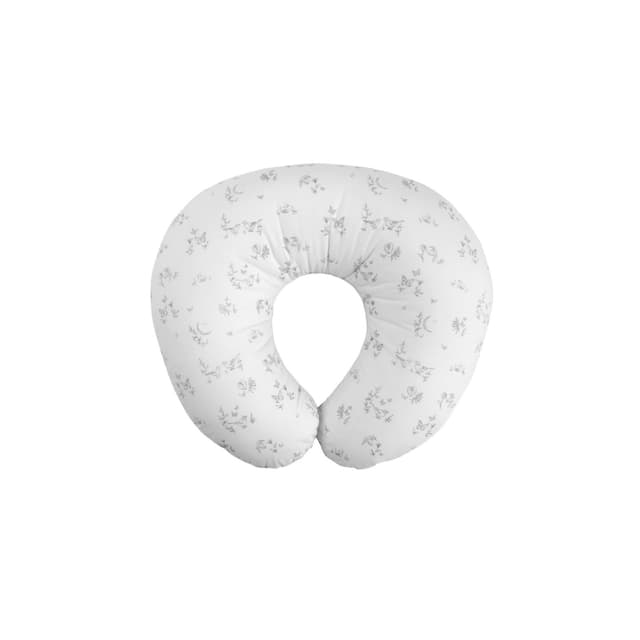 Cambrass Small Nursing PillowS$69.00Shop now
 Bamboo Swaddle Single (Printed)S$29.00Shop now
What experienced parents wish they had known
The things that come up every time I have this conversation with a friend expecting her first.
- That it frequently hurts at the start and that pain means the latch needs fixing and never that you should endure it.
- That milk coming in around day three to five can be overwhelming and passes within days.
- That cluster feeding in the evening is normal and isn't a verdict on your supply.
- That one bottle doesn't end breastfeeding, and that the fear of nipple confusion is overstated once feeding is established.
- That expressing lets somebody else do a feed without changing anything else, and that this is often what makes the difference between continuing and stopping.
- That pump output tells you very little about supply.
- That there's no medal. Nobody at the school gate will ever ask.
Once feeding starts
When should you get help, and stop pushing through?
Sooner than you think, and this is the section I'd most like people to act on.
- Any pain beyond the first few seconds of a feed, or cracked or bleeding nipples.
- A baby not back to birth weight by two weeks, or fewer than six wet diapers a day after day five.
- A red, hot, painful area on the breast with flu-like symptoms, which is mastitis and needs a doctor promptly.
- Feeding that is taking more than about forty-five minutes every time, past the first few weeks.
- A baby who's very sleepy and hard to wake for feeds.
- Any sense that you're dreading feeds, which is a reason to ask for help in its own right and isn't a small thing.
One more. If the feeding is going badly and you're becoming low, frightened or numb, tell a doctor or a midwife about both together. The two are connected more often than anybody says, and feeding is rarely a fair trade for what it sometimes costs.
Questions from the group chat
Do I have to decide how to feed before the baby is born?
Decide a direction and prepare for it, but hold it loosely, feeding plans are made before you know your baby, your supply or your recovery. Moving between breast, bottle and both later is a decision, not a failure.
When can a breastfed baby start taking bottles?
Once breastfeeding is established, commonly a few weeks in, because supply follows demand in the early weeks. Introducing occasional bottles then lets other adults share feeds without unsettling supply for most pairs.
What should I buy before birth if I plan to breastfeed?
Very little: nursing bras, balm, muslins, a comfortable feeding setup with arm support, and the number of a lactation consultant saved in your phone. Skip the large bottle collection until you know what your baby accepts.
When should I get feeding help?
Same-day for fever or a hot red patch on the breast, few wet diapers, or weight loss beyond the early dip; quickly for pain that persists past the first latch or feeding that is consuming the whole day. Support, not endurance, is what fixes most feeding problems.
The evidence
This guide is general information, written to help you understand a topic and ask better questions. It is not medical advice and does not replace your own doctor, midwife or paediatrician. Anything that worries you about your baby belongs with them.