

26 March 2026 · Nina Aramway
People & Culture · Grandmother of ten
Do Formula-Fed Babies Need to Be Burped?

More often than breastfed babies, and for a plain reason: a bottle puts more air in.
The good news is that you can prevent almost all of it at the feeding end, which works far better than getting better at winding. I say that as someone who got very good at winding and would have done better learning to hold a bottle. I'm still not sure I hold one properly.
Where the air gets in
Four places, and each has a fix.
The teat is the first. If it isn't kept full of milk, she draws air with every suck, and a bottle held too low or too flat makes sure of it. I held bottles too flat for years because that's how my mother held them. The flow rate is the second. Too fast and she gulps to keep up; too slow and she works hard and swallows air with the effort. Either way you get a windy baby.
Third is shaking. A hard-shaken bottle is full of bubbles and those bubbles go in, so swirl it instead. Fourth is her own state. A baby left until she's frantic gulps, and the crying puts air in before the feed has even started, which is one more reason to feed a little earlier than you think you need to.
How to put less in
These changes do more than any winding technique I could show you, and they're all free.
| Change | What it does | How to tell it worked |
|---|---|---|
| Slower teat | Lets her swallow at her own pace, with no gulping | No more coughing, spluttering or milk at the corners |
| Tip the bottle so the teat stays full | Removes the air she was drawing through the teat | Fewer bubbles rising in the bottle |
| Hold her semi-upright, head above stomach | Milk settles below the air so the bubble can rise | Easier burps, less posseting |
| Paced feeding. Pauses every few sucks | Gives her time to swallow and breathe | A 20-minute bottle, not a 5-minute one |
| Swirl made-up formula, never shake it | Fewer bubbles going in at all | Milk looks less frothy at the top |
| Feed at early hunger cues | She isn't crying air in before the feed starts | Calmer start, deeper attachment to the teat |
- Keep the teat full of milk throughout. Tilt the bottle so the neck and teat stay filled, and let it stay that way as the level drops.
- Hold the bottle horizontal and let her draw the milk out. This is paced feeding: she sets the rhythm, not gravity.
- Feed her semi-upright, with her head higher than her stomach, and never lying flat.
- Mix by swirling or by rolling the bottle between your palms. If you have shaken it, let it stand for a minute before you offer it.
- Check the teat size against her age and against how she's doing. Milk dripping down her chin means too fast; red-faced effort with little coming means too slow.
- Feed before she's desperate. Stirring, mouthing and hands to the mouth all come well before crying.
- Take the whole feed at a reasonable pace. A bottle drained in five minutes has usually gone in too fast.
When to break off
Roughly halfway, and at any pause she creates herself.
With a bottle you can see how much has gone, so halfway is easy to judge. Sit her up, give it a minute, and carry on. If she's feeding happily and shows no sign of discomfort, there's no need to interrupt her just to keep to a routine.
The technique
Do anti-colic bottles help?
Modestly, and a lot less than the packaging suggests.
The vents in them do cut the amount of air she draws in, and that part is real. What's much less clear is whether it changes how much a baby cries, because colic and wind aren't the same thing and the evidence that one causes the other is thin. I've still watched three generations of my family buy the bottles.
If you have a windy bottle-fed baby, try one. What I wouldn't do is buy an expensive set before the baby arrives, or work through four brands in six weeks looking for the one that fixes everything. They have more parts and take longer to sterilise, and a plain bottle held horizontally with the teat kept full will beat an anti-colic bottle held badly every day of the week.
Technique first. Equipment second, and only if technique hasn't done it.
If she takes both
Combination feeding is very common, and it makes this a little more complicated, because breast and bottle behave differently. You end up running two systems in one baby.
Expect more wind after bottle feeds and less after the breast, and wind her to match instead of using one routine for both. If you offer breast and bottle in the same feed, the short pause between them is a good moment, and probably the only one you'll get.
Don't take the difference as a sign that something's wrong with either. A baby who burps loudly after a bottle and brings up nothing after the breast is doing exactly what you'd expect, and so is the grandmother who tells you otherwise.
Mentioned above
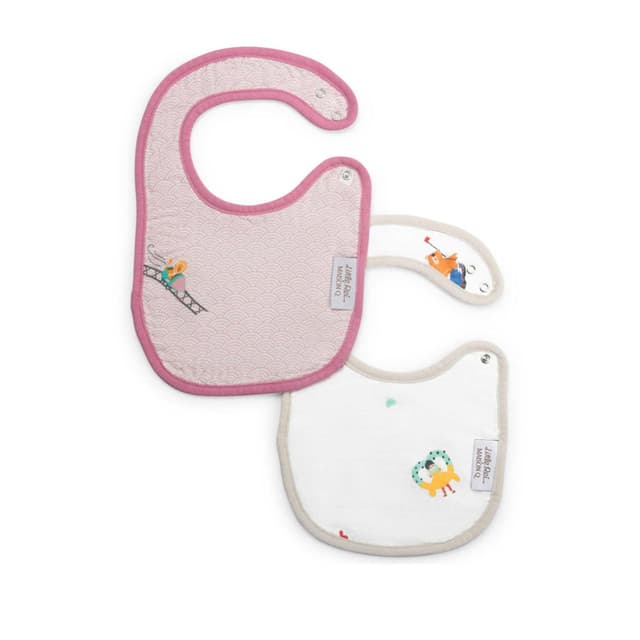 Maison Q Bib 2 Pc - CarnivalS$21.90Shop now
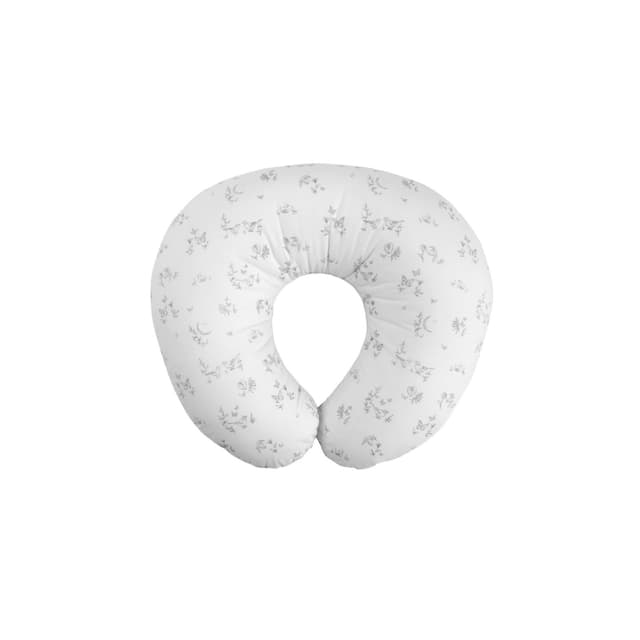 Cambrass Small Nursing PillowS$69.00Shop now
Read next
The questions I get at lunch
Do formula-fed babies need to be burped?
Yes, and more often than breastfed babies. Wind partway through the bottle, roughly every 60 to 90ml or at the halfway point, as well as at the end.
Why does my bottle-fed baby have so much wind?
Usually a teat that flows too fast, a bottle held too flat so the teat isn't full of milk, or formula shaken when it should have been swirled. All three are easy to change.
How long should a bottle feed take?
Fifteen to twenty minutes. A bottle emptied in five means the teat is too fast, which is the most common cause of a very windy baby.
Do anti-colic bottles work?
They do reduce air drawn through the teat, but the evidence that they reduce crying overall is weak. Fix teat flow, bottle angle and feeding pace first.
Should I burp between the breast and the bottle when combination feeding?
Wind after bottles and try only briefly after breastfeeds. The difference in how much air goes in is real, and the same baby will need different amounts on the same day.
Where this comes from
- NHS: Bottle feeding advice
- American Academy of Pediatrics: Burping, hiccups and spitting up
- NHS: Colic
This guide is general information, written to help you understand a topic and ask better questions. It is not medical advice and does not replace your own doctor, midwife or paediatrician. Anything that worries you about your baby belongs with them.