

10 March 2026 · Nina Aramway
People & Culture · Grandmother of ten
Do Breastfed Babies Need to Be Burped?

Much less often than bottle-fed babies, and some breastfed babies never need it at all. I didn't believe that until I had one.
The reason is mechanical. Once you know it, you can watch one feed and tell whether wind will be a problem, and that will teach you more than anything I can write here.
Why the latch decides it
A deeply latched baby makes a seal with her mouth, and with a seal there's no gap for air to get in alongside the milk. That's all there is to it. A shallow latch breaks the seal again and again, so air goes in with every suck. A shallow latch is also less efficient, so she works harder and swallows more. That's why the fix for a windy breastfed baby is nearly always the latch and almost never the winding, however much time the winding takes. You can hear the difference. Clicking or smacking sounds, cheeks dimpling inward, milk escaping at the corners of her mouth and pain for you are all signs that air is getting in. A good feed is quiet apart from soft, rhythmic swallowing, and it shouldn't hurt beyond the first few seconds, whatever anybody told you about toughening up. If that sounds like your feeds, the best thing you can do is have someone experienced watch a whole feed in person. Not a video or a phone call, but someone in the room watching your baby at your breast. It's the step most often skipped and the one that fixes the most. I've been the person watching, and, a long time ago, the person too proud to ask.
When she does need more
Some situations put air in even with a perfectly good latch. Each has its own fix, so it helps to recognise them.
| What is happening | Why it puts air in | What helps |
|---|---|---|
| Fast let-down; gulping, coughing, pulling off | She swallows air between gulps trying to keep up | Laid-back feeding position; express a little first; wind at the pull-off |
| Shallow latch, clicking sounds | The seal is broken and air enters alongside milk | Get the latch checked; wind at the change of sides |
| Crying hard before the feed starts | She swallows air while crying, before any milk | Feed at early cues, never late ones |
| Oversupply, or a very full breast | Flow is faster than she can pace | Feed one side per feed; upright or laid-back position |
| Feeding to sleep on and off | Repeated re-latching, each one a small air gap | Wind briefly at the end, then hold upright |
The most common by far is a fast let-down: she gulps, splutters, comes off and goes back on, and every one of those is a mouthful of air. Feeding lying back, so gravity slows the flow, or expressing a little before you start, changes it completely. I wish somebody had told me that with my second, who I now suspect spent three months politely gulping to keep up.
If feeding itself is the problem
When to bother
Offer it briefly and stop. A minute at the pause between sides, and a minute at the end.
If she's settled, put her down. If she's squirming, arching or pulling her knees up, spend two minutes on it and then think again. Going on longer doesn't help, and it has a real cost, especially at night, when the cost is everybody's sleep.
It also drops away quickly. Most breastfed babies need very little of this after three or four months, and by six it'll have gone entirely without you deciding anything, which is how many of the best changes in the first year happen. Mine stopped needing it at around four months, or maybe five, I forget.
Mentioned above
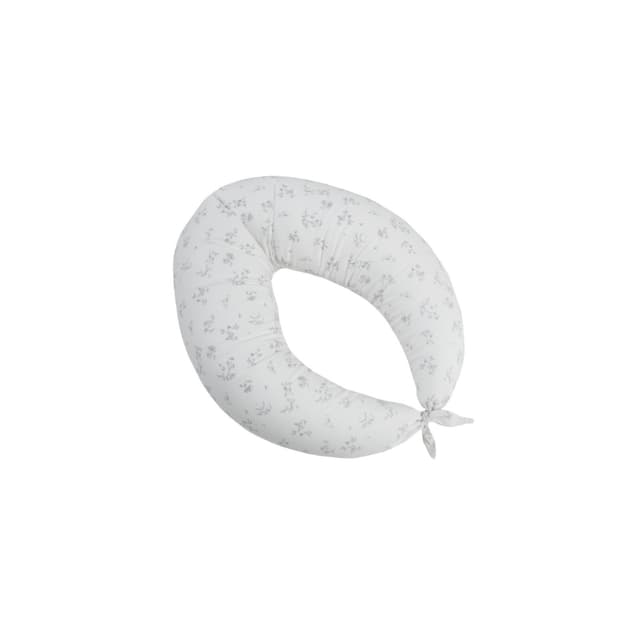 Cambrass Moon Nursing PillowS$129.00Shop now
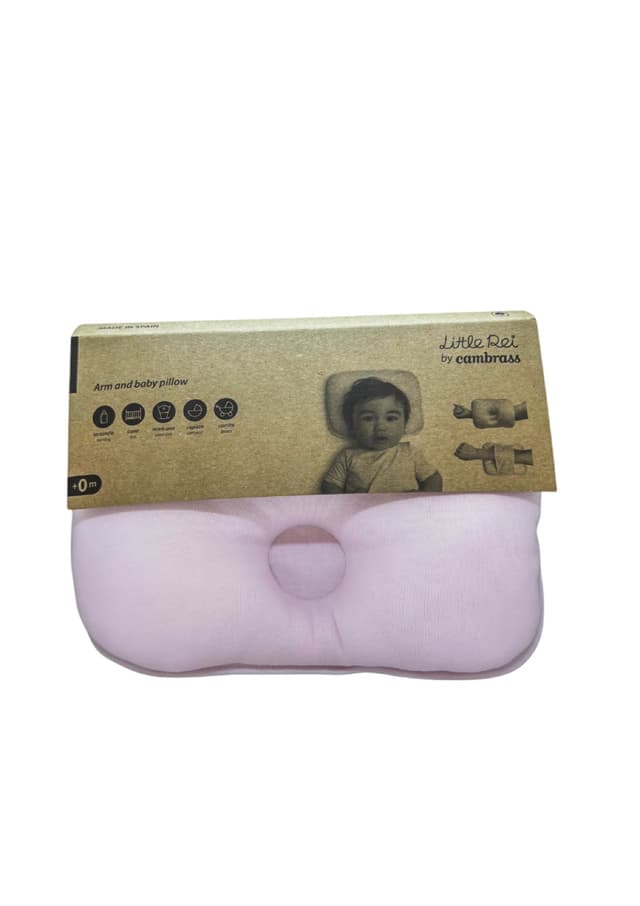 Cambrass Arm PillowS$39.00Shop now
 Bamboo Wash Cloth 4pc (Rustic Rainforest)S$25.00Shop now
The wind burping can't reach
A lot of what gets called wind in a breastfed baby isn't in the stomach at all, and holding her upright won't help it, however long you stand there.
Gas made further down comes out the other end, and the treatment is completely different, so it helps to know which one you're dealing with. The signs are knees pulled up to the chest, straining and going red, discomfort that comes in waves, and clear relief after passing wind or a stool.
For that, try bicycling her legs slowly, bringing her knees gently up to her tummy and releasing, a warm bath, supervised tummy time while she's awake, and a slow clockwise massage on her tummy. Carrying her upright against you does more than most of it, which is lucky, because you were going to carry her anyway.
A word on remedies. Gripe water, simethicone drops and the colic preparations all have weak evidence. I used every one of them across five children and could never say one had worked. If you want to try one, ask a pharmacist, keep your expectations low, and keep the receipt.
Read next
This guide is general information, written to help you understand a topic and ask better questions. It is not medical advice and does not replace your own doctor, midwife or paediatrician. Anything that worries you about your baby belongs with them.