

Almost every Chinese New Year craft online assumes a school-age child with scissors skills and forty minutes of patience. With a one-year-old and a three-year-old I have neither, and I've stopped pretending otherwise.
The crafts that work are the ones where the child does the making herself. If you make the thing while she watches and then photograph her beside it, that isn't her craft. Luckily, the look of the festival, red, gold, round and repeating, suits exactly what small children are good at, which is sticking things onto other things.
What she can manage, by age
What a child can do changes hugely between eighteen months and five, and craft lists rarely allow for it.
| Age | What they can do | Craft that fits |
|---|---|---|
| 6-12 months | Grasp, press, taste everything | Handprint fish in red paint. Supervised |
| 1-2 years | Stick, scrunch, post things into gaps | Paper lantern strips; ang bao collage |
| 2-3 years | Simple gluing, big brush painting | Fai chun painting; blossom prints |
| 3-4 years | Safety scissors, following two steps | Paper lanterns; dragon streamers |
| 4+ | Cutting, folding, sequencing | Folded fish, paper cutting, a full lantern |
The crafts themselves
Paper lanterns first, because they're the classic. Fold a red sheet in half, cut strips from the fold toward the edge stopping short of it, open it out and tape the ends into a cylinder. A three-year-old can happily do the taping, but you'll be doing the cutting until she's at least four. Handprint fish work from about eight months with washable paint and one hand at a time: a red painted palm printed onto gold card with the fingers as the tail. Say nian nian you yu as you make it and it becomes something to talk about with the grandparents, which in our family is most of the point. Fai chun with a paintbrush is my favourite of these. Give a toddler a big brush, black paint and a square of red paper. It won't be a character and it doesn't need to be, and it goes on the door next to the real ones.
Blossom prints look beautiful and require no skill at all: flatten a cut-up kitchen roll tube into a petal shape, dip it in pink paint, and print onto a bare painted branch. Ang bao fish use up the old red packets piling up in a drawer: fold them into fish or lantern shapes and string them together. They look much better than they sound.
A dragon on a stick is a paper plate face and a crepe paper body taped to a wooden spoon, and Richard ran the length of our corridor with his for the entire fortnight. For mandarin orange stamping, halve an orange, dry the cut face, dip it in gold paint and print. The smell alone keeps a toddler busy for ten minutes.
More making things
What's dangerous
Craft materials are the least regulated things in the house, and festive supplies in particular are sold as decorations, which means nobody has tested them against toy safety standards at all.
Keep glitter, sequins, small gold coins and plastic gems away entirely with an under-three in the room, because they're choking hazards and they migrate straight to the floor where the baby is. Watch for button batteries in light-up lanterns and singing decorations, since swallowing one causes internal burns within hours. Only buy items with screw-secured compartments, and treat a suspected swallowing as an emergency.
Red string and ribbon long enough to wrap twice around a wrist or neck goes away between sessions. Joss paper and incense are both around the house at this time of year and neither belongs within reach of a craft table. Use a glue stick or PVA and save any hot-glue work for after bedtime. Check craft paint for a toy-safety mark and never assume, because a great deal of what's sold in bulk over CNY has never been tested for it.
Keeping it from becoming a disaster
Set up so that the mess is expected. A muslin or an old sheet underneath, sleeves rolled, and everything you need already out on the table.
Having everything out already counts most, because the minute you step away from the table is the minute somebody eats the paint.
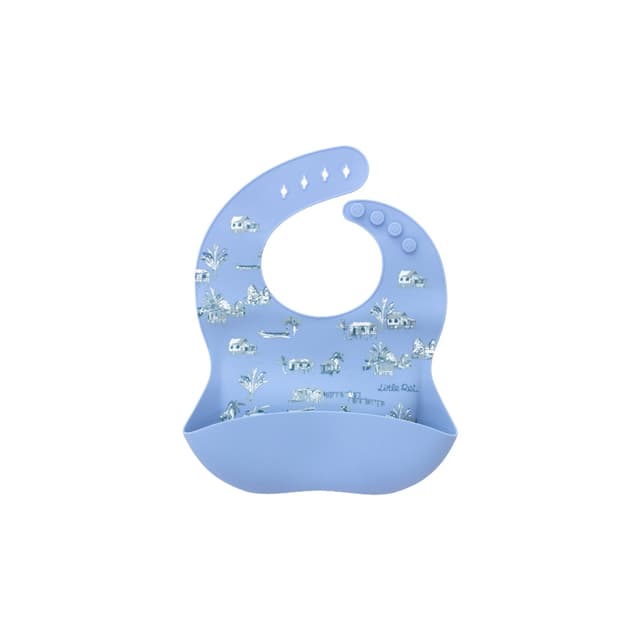
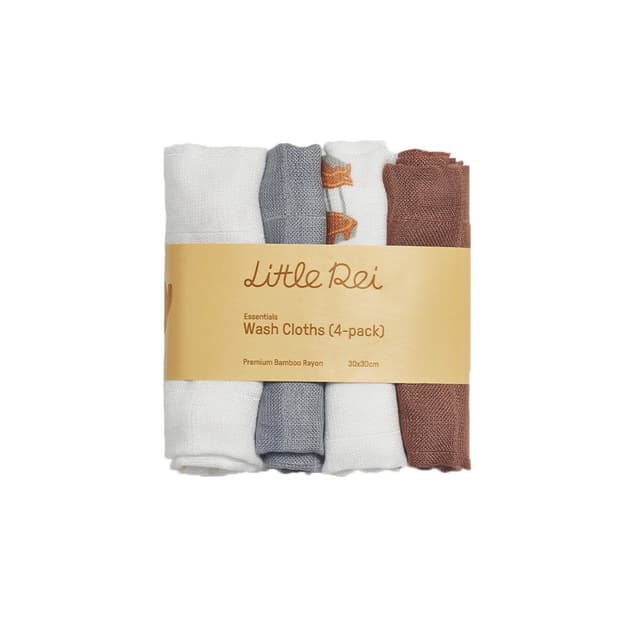
A silicone bib with a catch pocket is the correct garment for painting as much as for eating, and a stack of wash cloths within reach saves you the trip to the bathroom that ends the activity. Both go in the wash at 40 degrees with everything else, which counts for a lot in a flat with one washing machine. The paint mostly comes out, though I'm not sure it always does.
What to do with it all afterwards
Put it up at her height and leave it there for the fortnight. The point of a craft with a small child was never the object. It's the ten minutes of making it, and then two weeks of her pointing at the wall and telling every visitor that she did that one.
Photograph the best two, keep one, and recycle the rest after the fifteenth day. Nobody has ever regretted this and nobody has ever noticed.
Reading
This guide is general information, written to help you understand a topic and ask better questions. It is not medical advice and does not replace your own doctor, midwife or paediatrician. Anything that worries you about your baby belongs with them.