

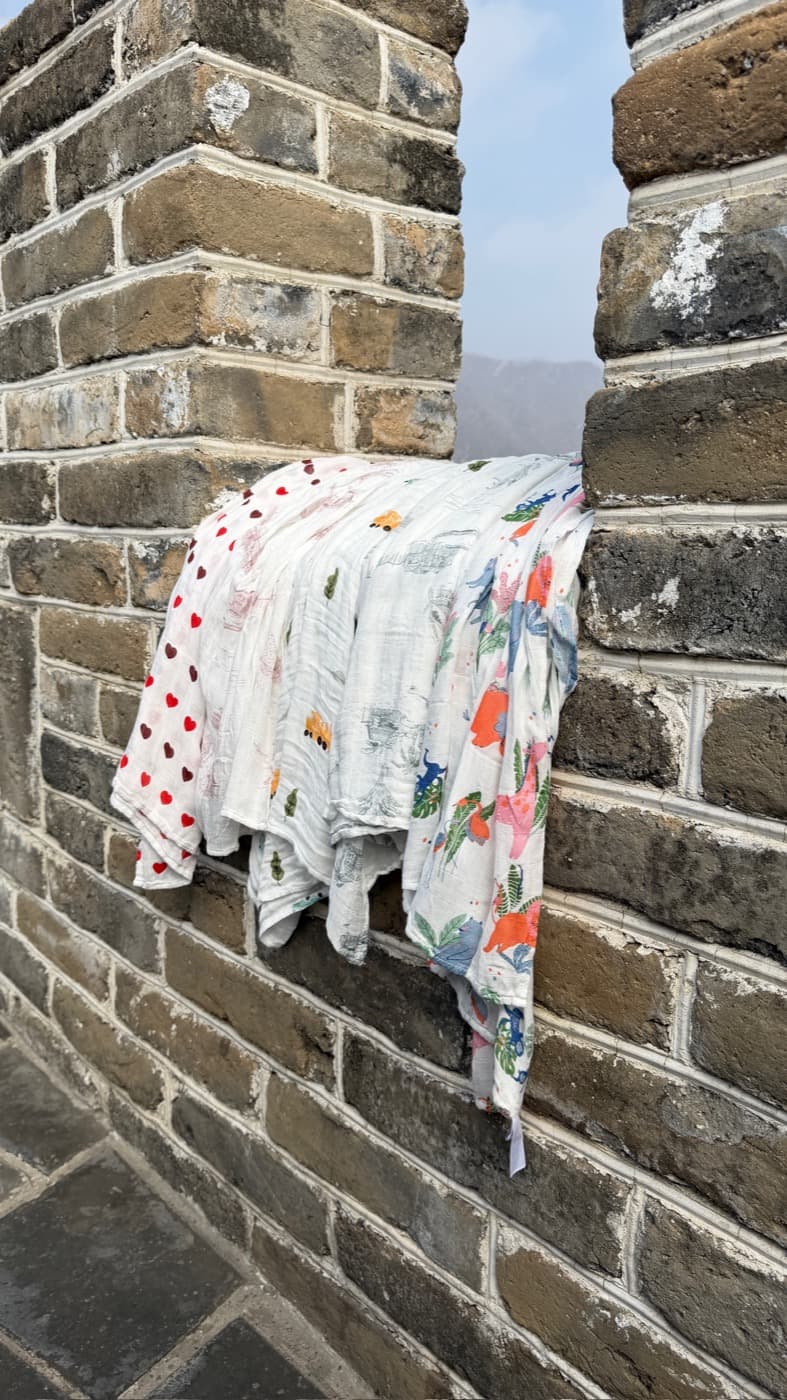
The cloth-versus-disposable conversation usually arrives carrying more moral weight than it deserves, and it's almost always conducted using numbers from countries with tumble dryers and cold tap water.
The Singapore version of this question is a different question, and I want to do it properly, from a flat with no dryer.
The case for cloth
It's real, and it's more nuanced here than in the places where most of the case gets written.
Cost is the strongest argument, over time and over more than one child. The upfront outlay is significant, the per-use cost approaches zero, and the same set can serve a second baby, which for us meant Charles in what Richard had worn, for the months we kept it up. There's no landfill contribution per change either, which in a country that incinerates its waste is a legitimate thing to weigh.
Some parents prefer having no absorbent gel against the skin on principle, even where there's no evidence of harm, and that's a reasonable preference to hold. And you'll never make a ten o'clock run to the pharmacy because you've run out.
The case against, here specifically
This is where imported advice falls over, because every objection below is either climate-specific or housing-specific. Drying is the real obstacle and everything else is secondary to it. In 80 per cent ambient humidity, thick cotton or bamboo inserts can take a day and a half to dry on a rack, and any rotation that assumes overnight drying will collapse by the third day. A dryer, or a laundry service, changes the entire calculation. Space is the second. A cloth rotation needs somewhere to keep clean stock, somewhere to hold soiled stock and somewhere to dry, and in a four-room flat that's three places you don't have going spare. Smell is the third, since ammonia develops faster in warm humid conditions and soiled storage is much less forgiving here than in a temperate climate.
Then there's labour, and specifically whose it is. If a helper or a grandparent is doing the day-to-day care, this decision changes their workload materially, and it should be made together with them. Charles is with my mother-in-law on weekdays and I wouldn't have made this choice without asking her first.
Heat. Cloth diapers are bulkier and warmer against the skin, which in this climate is a real comfort trade-off for the baby.
Either way
The hybrid most people land on
Very few families here run cloth exclusively, and the happiest ones I know never tried to. A mixed approach removes the failure points without throwing away the benefits.
Cloth at home during the day, when a leak costs you nothing more than a change of clothes. Disposables overnight, where absorbency counts most and a three in the morning cloth change is a very poor trade. Disposables when you're out, when you're travelling, and for whoever is doing the care that day if that's what they'd prefer.
Disposables entirely for the first six weeks. Nobody needs to learn a new laundry system in the weeks after giving birth.
If you're going to try cloth
Start smaller than the internet will tell you to. Drying is the constraint in a flat with no dryer and it decides everything else, so plan around it first.
Buy a small trial set of two or three styles before you commit, because fit varies as much with cloth as it does with disposables. Be realistic about your drying capacity before you buy the rotation, and count the rack space you have. The rack space you intend to acquire doesn't count. I'd guess we had about two thirds of what we needed. I never measured it.
Plan for roughly 30 to 36 diapers for a full-time newborn rotation, washing every other day, since a day and a half on the rack keeps a third of the set out of use. Agree the routine out loud with everybody who will be using it, in advance.
Where we stand
We make bamboo textiles and sell our Luxury Tape Diapers, a disposable with a bamboo-infused topsheet, so we're hardly disinterested here.
Mentioned above
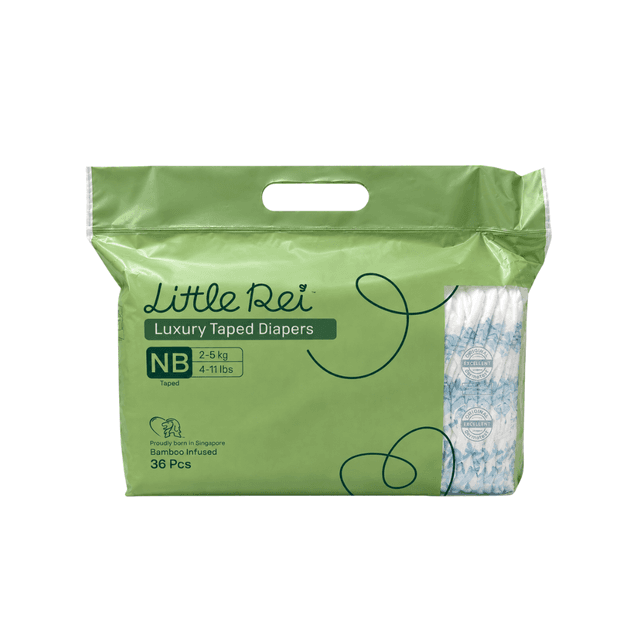 Eco-Conscious Luxury Tape Diapers (Full Pack)S$16.90Shop now
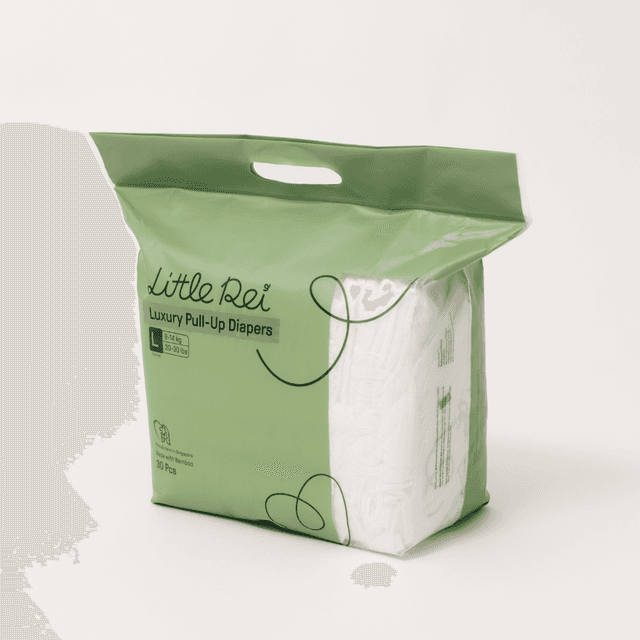 Eco-Conscious Luxury Pull-Up Diapers (Full Pack)S$21.90Shop now
The decision that counts is whether the system you choose survives contact with a real week, in a real flat, with the real people doing the work. A cloth rotation abandoned in month two costs more than disposables ever would, and rather more goodwill.
Asked at the playground
Is cloth diapering practical in Singapore?
It's workable but harder than in temperate climates. The main obstacle is drying: in high ambient humidity, thick inserts can take a day and a half on a rack, so a rotation assuming overnight drying will fail. Access to a dryer or a laundry service changes the calculation substantially.
Is cloth cheaper than disposable?
Over time, and especially across more than one child, yes. The upfront outlay is significant but the per-use cost approaches zero. Factor in local water and electricity if you use a dryer, and the value of the labour involved.
Are cloth diapers hotter for the baby?
Generally yes. They're bulkier and hold more warmth against the skin than a thin disposable, which in a tropical climate is a real comfort consideration for the baby.
How many cloth diapers do I need?
Roughly 30 to 36 for a full-time newborn rotation if you wash every other day, since rack drying keeps a third of the set out of use at any time. Buy a small trial set of two or three styles first, since fit varies between brands as much as it does with disposables.
Can I use cloth and disposables together?
Yes, and it's what most families here settle on: cloth at home during the day, disposables overnight, when out, and while travelling. Many also use disposables entirely for the first six weeks.
What I read for this
This guide is general information, written to help you understand a topic and ask better questions. It is not medical advice and does not replace your own doctor, midwife or paediatrician. Anything that worries you about your baby belongs with them.