


Charles had a stretch in his first year where the redness in the folds of his thighs simply wouldn't go, and I worked through three creams before I understood that the problem wasn't what I was putting on. It was how long the skin stayed damp.
What causes diaper rash?
Four things, and the first two cause most of it. Moisture is the foundation, because skin that stays wet loses its barrier function, and a weakened barrier is easy to irritate. Then friction, a damp surface rubbing against a damp thigh, hundreds of times a day. Then the chemistry. Urine and stool together produce ammonia, which raises the pH of the skin, and enzymes in stool digest the skin's outer layer directly. That's why a dirty diaper left on causes damage in a way a wet one doesn't, and why the advice to change stool immediately isn't fussiness.
And the climate, which in Singapore isn't a footnote. Nothing evaporates at this humidity, so all three of the above run for longer between changes than they would anywhere temperate.
How do I tell irritant rash from a yeast infection?
This is the distinction that counts most, because the treatments are different and the wrong one prolongs it.
Ordinary irritant rash stays on the surfaces that touch the diaper and spares the deep creases, because the creases aren't in contact. It's diffuse pink or red, it looks sore, and it improves within two or three days of more frequent changes, drying and a barrier cream.
Yeast is the opposite. It goes into the creases, it's a deeper beefy red with a clear defined border, and there are small separate spots scattered beyond the main patch, satellite lesions, which is the giveaway. It doesn't respond to barrier cream at all, and it needs an antifungal from a doctor or pharmacist.
So: creases spared and improving means keep going. Creases involved, satellite spots, no improvement after three days means get it looked at.
Identifying it properly
What helps at home
All free, and in order of how much difference each makes.
- Change more often. Every two hours in the day while it's healing, and stool immediately whatever the hour, including overnight.
- Dry properly before the clean diaper goes on. Pat, get into the creases, and give it ten seconds of air. This is the step that fixed it for us.
- Diaper-free time on a towel, twenty minutes a day and more if you can. Air is the best treatment there is.
- A thin layer of zinc oxide barrier cream. Thin. A thick layer stops the diaper absorbing and makes it worse.
- Water and a soft cloth in place of wipes while the skin is broken, and no fragrance in anything.
- Fasten slightly looser while it heals, and check for red rings when it comes off.
- No talcum powder, ever. Inhalation risk, and it does nothing that drying doesn't do better.
Expect improvement within two or three days. If nothing has changed by then, the diagnosis is probably wrong.
Whether the fabrics against the skin matter
Some, and less than the interval, and I say that as somebody whose job is to sell you the diaper.
A soft, low-friction, breathable layer against damp skin is better than a coarse or plastic-feeling one, and a breathable outer reduces the humidity inside. Those are real. What they don't do is extend how long a diaper can stay on, and a better diaper changed less often is worse than a basic one changed more. I'm not sure how many people believe that from a diaper company. It's still true.
The same applies to everything else touching her. Fragrance-free non-biological detergent, an extra rinse, no fabric softener, which coats fibres and reduces breathability, and loose thin cotton or bamboo, with nothing synthetic or snug over the diaper area.
Mentioned above
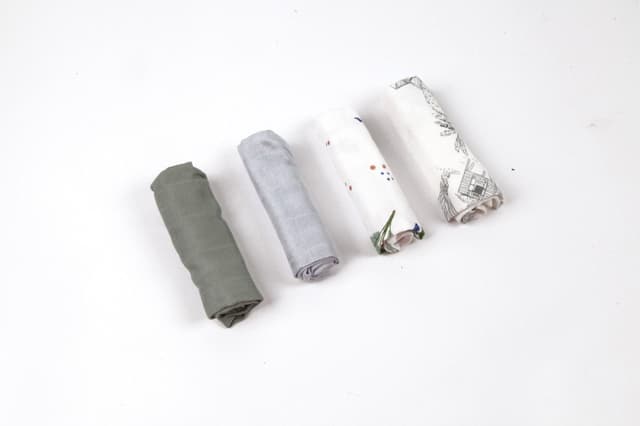 Bamboo Wash Cloth 4pc (Rustic Rainforest)S$25.00Shop now
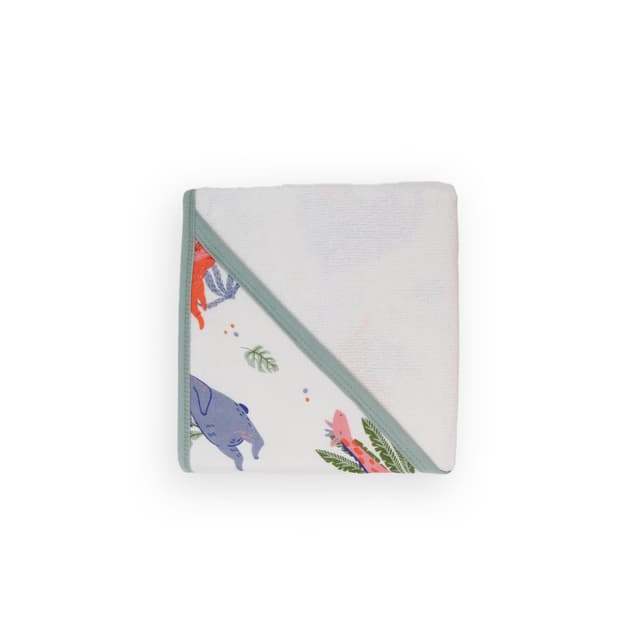 Bamboo Hooded TowelS$45.00Shop now
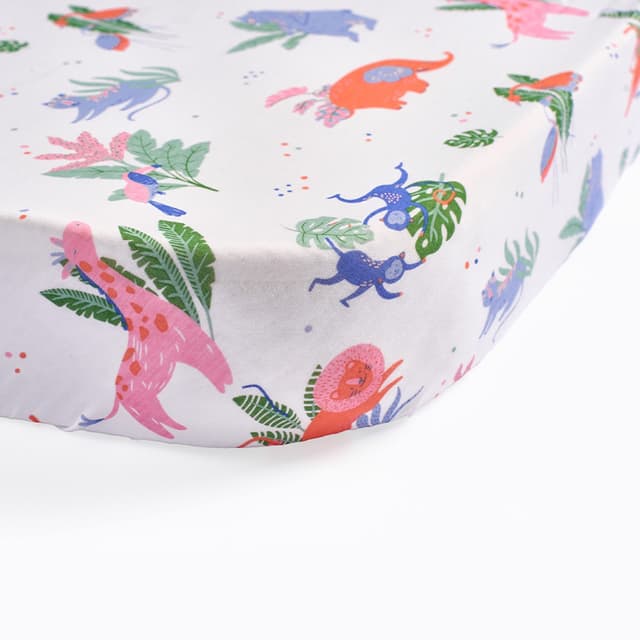 Rectangular Fitted SheetS$69.00Shop now
When to see a doctor
Sooner than most of us do.
- No improvement after two or three days of proper care, or a rash that is getting worse.
- Deep red in the creases with satellite spots, which is yeast and needs an antifungal.
- Blisters, pus, yellow crusting, or skin that is broken, weeping or bleeding.
- A fever alongside the rash, or any temperature of 38°C or above in a baby under three months.
- A rash spreading well beyond the diaper area.
- A rash that keeps returning as soon as treatment stops, which suggests something is being missed.
- Any rash that doesn't fade when pressed with a glass, which is emergency care immediately.
This guide is general information, written to help you understand a topic and ask better questions. It is not medical advice and does not replace your own doctor, midwife or paediatrician. Anything that worries you about your baby belongs with them.