

28 November 2025 · Samantha Lin
Designer · Mother of two
Best Diapers for Hot and Humid Weather: What to Look For

The inside of a diaper is a warm, enclosed, humid space by design. Then you put it on a baby in a country where the air outside is already thirty-one degrees at eighty percent humidity, and the margins get very thin.
What the heat does in there
Three things, and they compound. Nothing evaporates: in a dry climate a small amount of moisture at the edges of a diaper dissipates, and here it doesn't, so the skin stays damp for longer between changes. She sweats, and the folds of the thighs and the groin are among the places a baby sweats most, so the diaper is handling perspiration as well as everything else. Warm damp skin has a weakened barrier and is much easier to irritate, so the same diaper on the same baby causes redness in March that it didn't cause in a cooler room. I'd draw one conclusion from that, and it isn't a product. Change her more often. That costs nothing.
What to compare
Four properties that count, in the order I'd weight them.
- Absorbency and how fast it locks liquid away from the surface. A core that pulls moisture down and holds it there keeps the skin drier than one that spreads it.
- A breathable outer layer that lets water vapour out while keeping liquid in, which lowers the humidity inside.
- A soft, low-friction top sheet, because friction on damp skin is the mechanism that turns redness into a rash.
- Leg cuffs that seal without gripping. A red ring around the thigh means the cuff is too tight, and a tight cuff on a sweaty leg is its own problem.
| Feature | What it does here | Priority |
|---|---|---|
| Breathable back sheet | Lets water vapour escape, lowering humidity against the skin | Highest |
| Fast-wicking topsheet | Moves liquid off the skin into the core quickly | High |
| Thin core | Less bulk trapping heat between the legs | High |
| Fragrance-free | One fewer irritant on skin whose barrier is already stressed | High |
| Open leg cut | Keeps the thigh creases from being sealed shut | Medium |
| Very high absorbency | Encourages leaving it on longer, which is the wrong direction by day | Low by day, handy at night |
| Wetness indicator | Handy in a climate where you should be checking often | Nice to have |
Which claims are decoration
I write product copy for a living, so this is the part I can be most exact about. Our Little Rei packet says naturally cooling, bamboo-infused topsheet with zero cooling additives, and the list applies to it too.
- Wetness indicators, which are a convenience and tell you nothing about performance. Good for a grandparent or a nursery. Not a reason to choose a brand.
- Lotions and aloe on the inner layer, which add something for the skin to react to and solve a problem better solved by drying.
- Antibacterial claims on a finished diaper, which aren't supportable.
- Ultra-thin as a benefit in itself. Thinner is more comfortable in the heat, but thinner doesn't mean more absorbent, and the two often get mixed up.
- Hypoallergenic, which has no agreed definition and isn't certified by anyone. Fragrance-free means something specific. Hypoallergenic mostly doesn't.
- Natural, plant-based and eco on the front, none of which are regulated terms. Look for a real certification behind them, or treat them as decoration.
The claims, examined
What counts for more than the diaper
All of this, and it's all free.
Change more often in the warm months, every two hours in the day, and immediately for anything dirty. Dry the skin properly before the clean one goes on, getting into the creases of the thighs, patting and never rubbing. Give her diaper-free time on a towel daily, which is the most effective thing here and costs ten minutes.
Keep the barrier cream thin. A thick layer stops the diaper absorbing, which produces the opposite of what you wanted. A thin film is a barrier. A thick one is a seal.
Mentioned above
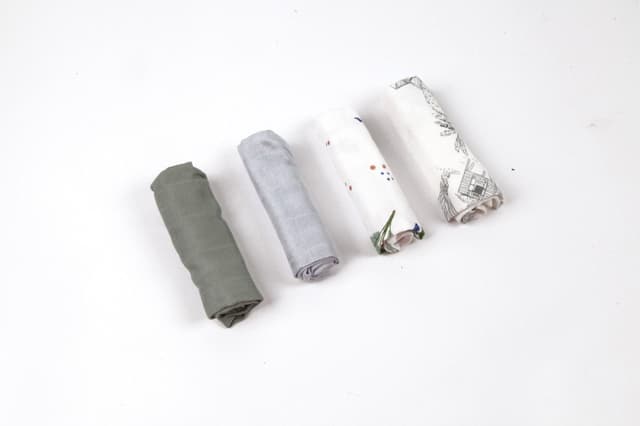 Bamboo Wash Cloth 4pc (Rustic Rainforest)S$25.00Shop now
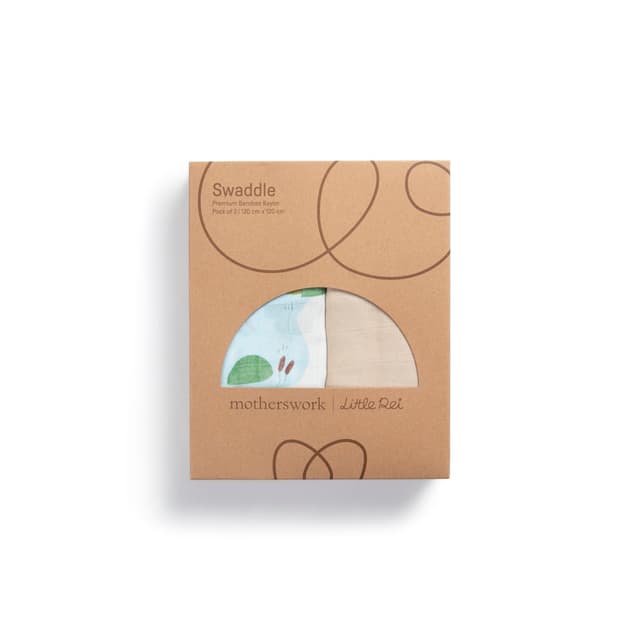 Bamboo Swaddles (2 pc)S$49.00Shop now
How the fit changes in the heat
Slightly looser than you'd fasten it in a cool room.
Two fingers at the waist, always, and check the leg cuffs are pulled out and standing, never tucked in. A diaper fastened snugly on a cool morning is a diaper fastened tightly by two in the afternoon, when she's warm and slightly swollen and has been in a carrier.
Check for red rings when you take it off. They're the most reliable signal you have that something is too tight, and in this climate they turn into broken skin faster than they would anywhere else. How much faster I've never checked. Faster than I expected.
Read next
What other parents wanted to know
What diapers are best for hot and humid weather?
Ones with a breathable back sheet, a fast-wicking topsheet, a thin core and no fragrance. Then change more often than the packet suggests. The interval counts most.
Do breathable diapers make a difference in the tropics?
Yes. A microporous back sheet lets water vapour escape, lowering the humidity and temperature against skin that otherwise never dries between changes.
Are ultra-absorbent diapers good for hot weather?
At night, yes. By day they mostly encourage leaving a diaper on for six hours, which is the opposite of what this climate needs.
How often should you change a diaper in hot weather?
Every two to three hours while awake, and immediately after any stool. High humidity means the skin never dries between changes, so the interval is shorter than in temperate advice.
Should diapers fit looser in hot weather?
Slightly looser at the leg. A cuff pulled tight into the thigh crease seals the warmest, dampest fold, which is exactly where rash starts here.
What I read for this
This guide is general information, written to help you understand a topic and ask better questions. It is not medical advice and does not replace your own doctor, midwife or paediatrician. Anything that worries you about your baby belongs with them.