

18 July 2026 · Roshni Mahtani Cheung
Cofounder, Little Rei · Mother of one
How Often Should You Change Your Baby's Cot Sheet?

Once or twice a week, sooner in humid weather, and immediately after any mess. If that's all you came for, you may go.
I want to make a slightly larger case for it, though, because this is the piece of household admin I dismissed for years and then discovered had been doing real work the whole time.
Why cot sheets need changing so often
A cot sheet takes much more punishment than an adult one, since a baby spends twelve to sixteen hours a day on it. She sweats more per kilo than you do, dribbles constantly, and periodically leaks from one end or the other, while skin cells shed onto it and milk gets into the weave, all of it in a warm room.
In this climate that adds up faster than anywhere temperate. Damp cloth in a warm flat is exactly the environment dust mites want, and mite allergens are a well-established trigger for eczema and for asthma. Washing the sheet hot is the part of dust-mite control that reliably works.
None of which is an argument for anxiety so much as an argument for a rhythm, which costs about four minutes.
How often, by age
The frequency changes as your baby does, largely because what ends up on the sheet changes.
The rest of the bedding
| Age | How often | Change at once if |
|---|---|---|
| 0-3 months | Every 2-3 days | Any spit-up or nappy leak |
| 3-12 months | Twice a week | Weaning food or a nappy incident |
| Toddler | Once or twice a week | Illness, accidents, a very warm night |
| Any age | — | It's wet, marked, or smells of anything but fresh |
The rule that overrides the table is the last row of it. Wet, marked, or smelling of anything other than clean cloth means it's due, whatever the schedule says.
Does Singapore's climate change the routine?
It does, in two ways a guide written in London won't tell you.
The first is that humidity means a sheet that felt dry at bedtime can be faintly damp by morning, particularly if the room is air-conditioned overnight and then warms up. Damp is the thing to act on, so check by hand in the morning instead of counting days.
The second is that fabric choice counts for more here than in a dry climate. A sheet that keeps moisture against the skin all night feels quite different from one that moves it away, and in a warm room the difference isn't subtle. Bamboo viscose is the one we make and the one I use, because it's airy, it takes moisture off the skin, and it goes softer with washing and never stiffer.
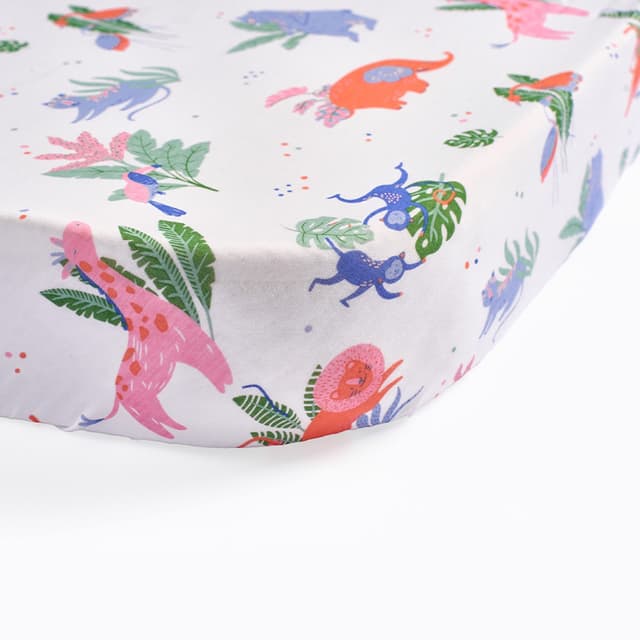
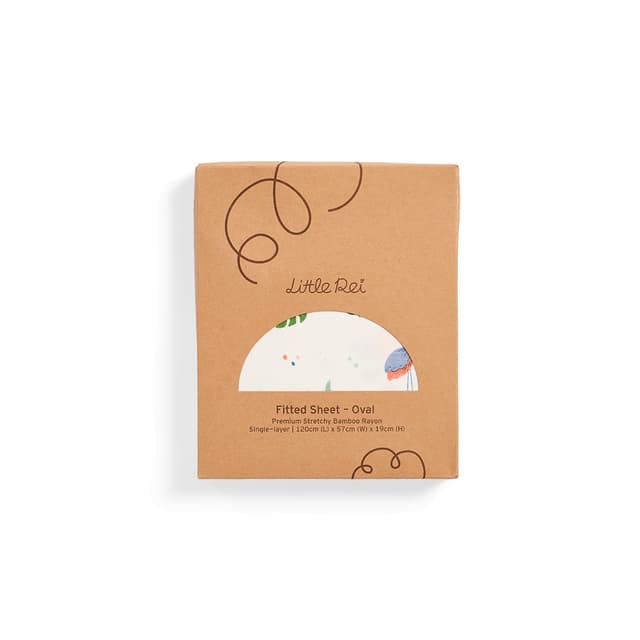
Why I care about this, beyond the obvious commercial reason: Shan tossed all night as a baby and I never found the cause. She's ten now and it's entirely obvious: she's sensitive to materials, sleeps well in soft, thin, breathable cloth and badly in anything else. I didn't need to buy anything to discover that. I needed to change what was touching her and pay attention for a week, which took me the better part of a decade to think of. I still don't know why it took so long. Or maybe I do, and don't like the answer. So before anybody buys anything, the free version: check the sheet you already own for stiffness, for a rough seam running under where she lies, and for a fabric that feels warm to the palm. Wash it, dry it properly, and watch for a week.
How many cot sheets do you need?
Three is the number. Two is workable and produces a bad night eventually.
One on the mattress, one clean in the cupboard, one in the wash. With three you can strip a cot at two in the morning without standing in front of a washing machine deciding what to do, which is the entire point of owning a spare.
A waterproof mattress protector under the sheet is the other thing to own, because it turns a leak into a two-minute job instead of a mattress you now have to dry in a humid flat. Anything that goes on the mattress must be firm, flat and fitted properly, with nothing loose, nothing bunched and nothing padded.
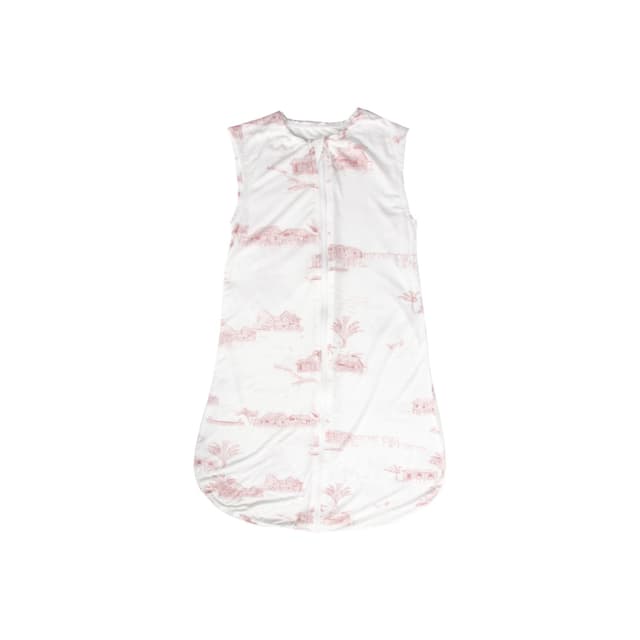
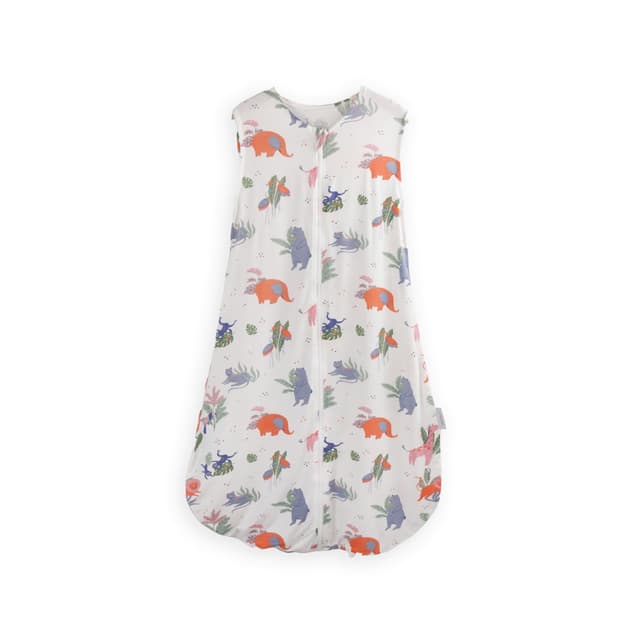
Pick a day and attach it to something you already do, which for us was Sunday, alongside the bins, for no better reason than that it was the day I'd remember.
Strip it, wash it at 60°C where the label allows, dry it thoroughly, properly dry, because half-dry cloth in this climate will smell by Tuesday, and put the clean one straight back on. Keep the spares folded in the room the cot is in, so the middle-of-the-night version of you doesn't have to go looking.
That's the whole system. It isn't clever and it doesn't need to be.
Where this comes from
This guide is general information, written to help you understand a topic and ask better questions. It is not medical advice and does not replace your own doctor, midwife or paediatrician. Anything that worries you about your baby belongs with them.