

12 September 2025 · Veronica Chi
Business & Product Director · Mother of two
Third Trimester Sleep: Getting Comfortable When Nothing Is
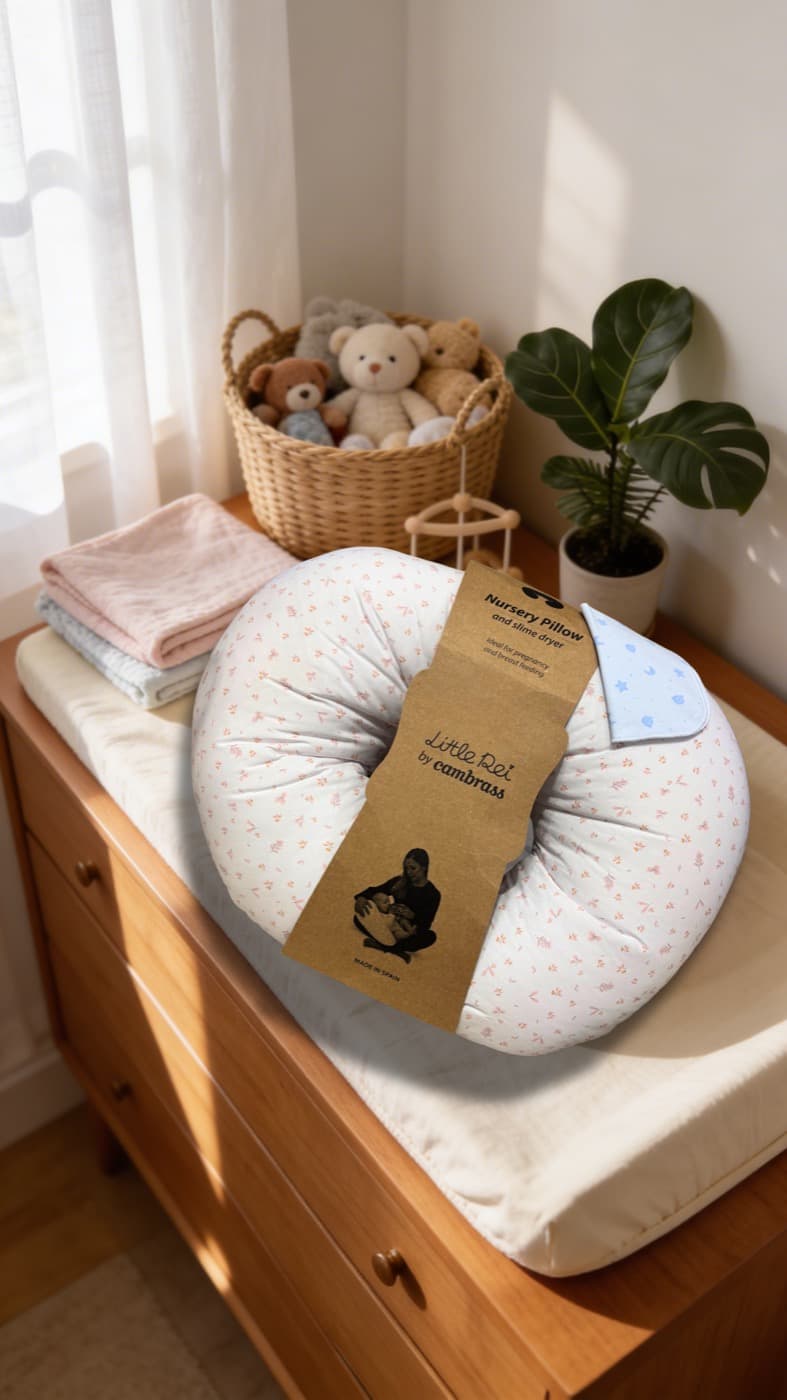
I had two of these and I remember the arithmetic: the more tired you are, the harder it is to sleep, and the advice you're given assumes you can lie in a position you can no longer lie in.
There's a theory that third-trimester insomnia is nature's training for the newborn weeks. It isn't a consoling theory at 3am, pinned under a bump, hip aching, needing the bathroom for the fourth time. Sleep in late pregnancy is a management problem. You won't sleep like you did, and you can sleep noticeably better than you currently are. How much better I'm not certain. Better.
Why it falls apart after 28 weeks
Six things, all arriving at once, and none of them individually fixable, so the answer is management.
- Mechanics. There's no neutral position left. The bump drags on the back and hips in every configuration, and turning over becomes a logistics operation that wakes you fully.
- The bladder. The uterus is directly on it, and night wakings to pee are near-universal.
- Reflux. The stomach is compressed and the valve above it loosened by hormones, so lying flat invites heartburn.
- Restless legs and cramps, both peak in the third trimester; mention persistent restless legs to your midwife, as iron levels deserve checking.
- The baby. Many babies are most active exactly when you lie down, because your daytime movement was rocking them to sleep.
- The mind. A brain running through name lists and cot logistics at 2am is standard-issue late pregnancy.
The side-sleeping guidance
Side-settling is a cheap, real risk reduction. From around 28 weeks, guidance in most countries is to settle to sleep on your side, because lying on your back lets the weight of the uterus compress the vessels returning blood to your heart, which can reduce flow to the baby, and research has found back-sleeping in late pregnancy goes with a higher risk of stillbirth. Two clarifications that spare a lot of 3am panic. The guidance is about how you fall asleep, you can't control what you do while unconscious, and waking up on your back is a signal to roll over. Left side is often suggested as marginally better, and side versus back is the distinction that counts, so either side beats worrying. A wedge or rolled towel behind your back makes rolling fully flat harder, which is all the enforcement needed.
The rest of the third trimester
The pillow arrangement that works
Four pillows, each doing one job. Most people use one and wonder why it isn't enough.
- One between the knees and ankles, keeps hips stacked and takes the twist out of the lower back. The single highest-value pillow in the bed.
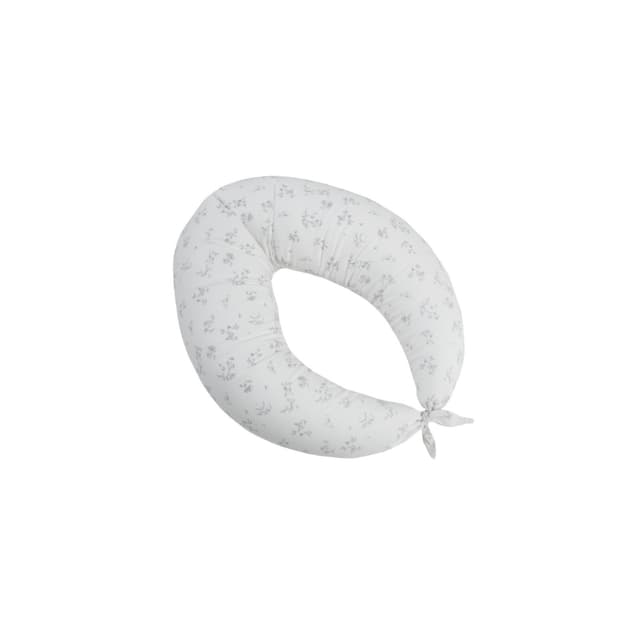
- One under the bump: a small, firm one, so the bump's weight stops pulling on the abdominal wall. A nursing pillow works and keeps earning its place after the birth.
- One behind the back: the anti-roll wedge.
- Head raised slightly if reflux bites, and dinner earlier, smaller, and less spicy does more for reflux than any pillow.
- A full-length pregnancy pillow does all of this in one piece if you have the bed space; a curved nursing pillow plus a spare does most of it if you don't.
What else moves the needle
Five things, none of them dramatic, and the fluids one is the easiest win of the lot.
- Front-load fluids: drink freely until early evening, then taper, hydration stays, bathroom trips shrink.
- Keep the room cooler than feels necessary, pregnancy runs roughly a degree warm, and a cool room on breathable bedding buys real sleep.
- Move daily. A walk or a swim measurably improves late-pregnancy sleep; a screen in bed measurably doesn't.
- Nap without guilt, before 3pm and under an hour, so it doesn't eat the night.
- If the mind is the problem, park it on paper, the list by the bed absorbs what the brain wants to rehearse.
When bad sleep is a symptom, not a season
Take these to your midwife or doctor. Don't file them under third trimester.
Loud snoring, or somebody observing pauses in your breathing, since sleep apnoea does appear in pregnancy and it affects blood pressure. Restless legs bad enough that you dread bedtime. Insomnia that has tipped over into hopeless or anxious days.
A different category entirely: a severe headache, visual disturbance, or sudden swelling of the face and hands. Those need review promptly.
One more, and it doesn't wait for morning. Any night you notice the baby's movements reduced or changed, ring your maternity unit, at whatever hour it is.
Questions we get
Why can't I sleep in the third trimester?
Mechanics and biology stack up after 28 weeks: no comfortable position, a compressed bladder, reflux, cramps and restless legs, a baby who wakes when you lie down, and a busy mind. Managing each factor separately beats chasing one fix.
What happens if I wake up on my back while pregnant?
Roll onto your side and go back to sleep. The guidance is about the position you settle in. You can't control an unconscious body, and waking on your back is a prompt, not a harm done.
Do I need a special pregnancy pillow?
No. The arrangement counts, not the product. One pillow between the knees, a small firm one under the bump and one behind the back does the same work. A curved nursing pillow is a good buy because it keeps being good after the birth.
When should I see a doctor about pregnancy insomnia?
For loud snoring or pauses in breathing, severe restless legs, insomnia driving anxious or hopeless days, or any sudden change like severe headache, visual disturbance or facial swelling. Reduced baby movements are always an immediate call to your maternity unit.
Evidence
This guide is general information, written to help you understand a topic and ask better questions. It is not medical advice and does not replace your own doctor, midwife or paediatrician. Anything that worries you about your baby belongs with them.