

10 April 2025 · Eric Richfield
Commercial Director · Father of four
How to Make Vegetables Less of a Food Fight
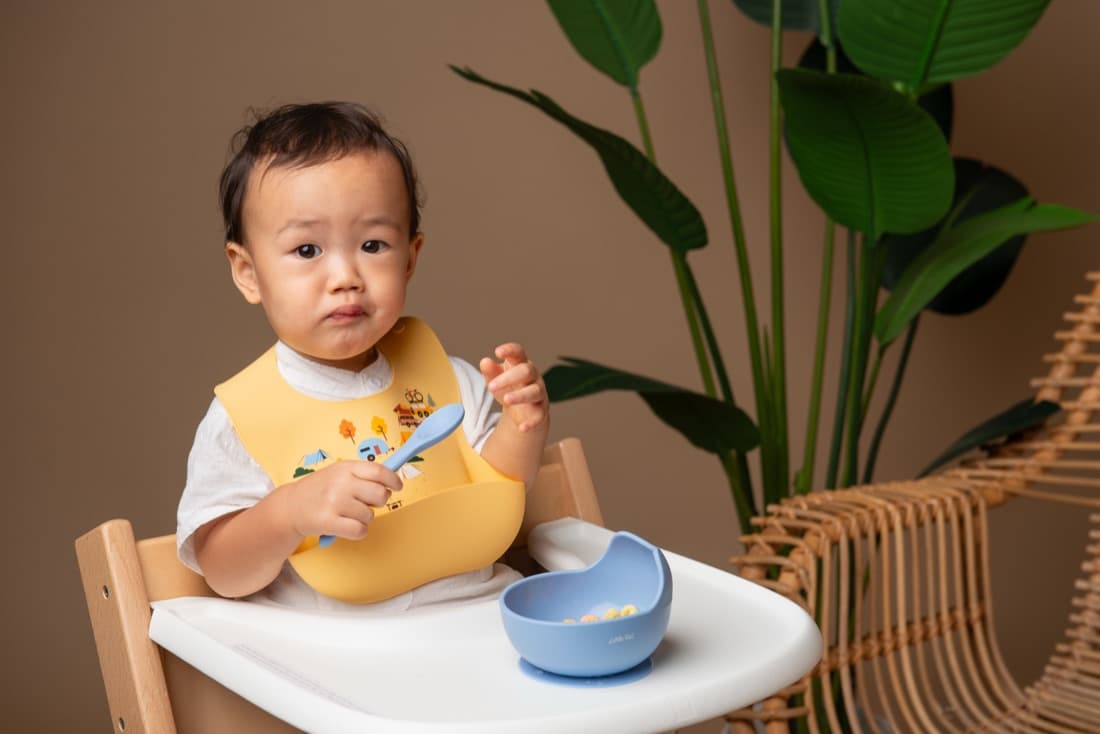
Every house with a small child in it has, at some point, had an adult negotiating with a toddler over one piece of broccoli. I've been that adult on more evenings than I care to count.
The good news, such as it is: the negotiation is the problem. Almost everything that works means doing less than you're doing now.
Why do toddlers reject vegetables specifically?
Three things are working against you. Only one is about your child's character. First, taste. Children have more taste buds than adults and are a lot more sensitive to bitterness. Many vegetables are bitter. Brassicas contain compounds some people taste far more strongly than others, and that's heritable. When my daughter says sprouts taste horrible she isn't being difficult. She's describing her experience.
Second, neophobia. A normal suspicion of unfamiliar food that arrives around eighteen months, peaks before three, and fades. A survival mechanism in a small person who's just become mobile. Vegetables get the worst of it because they vary so much in appearance.
Third, vegetables have less energy than almost anything else on the plate. A toddler with a small stomach is, on some level, making a sound resource decision.
What doesn't work?
A brief and rather personal list.
- Pressure. Every study on this points the same way: pressuring a child to eat a food reduces liking for it, and the effect lasts.
- Bribery with pudding. This teaches, very efficiently, that the vegetable is the toll and the pudding is the destination.
- Hiding vegetables in sauces as your main strategy. It gets nutrients in, which is fine. And it does nothing at all to teach her to eat a visible carrot, because she never learns that she likes them.
- Cooking something else. She'll learn this faster than anything else you teach her all year.
- Praising her extravagantly for one mouthful, which makes the whole thing a performance and raises the stakes.
- Making it a discussion. The longer the conversation about the broccoli, the more powerful the broccoli becomes.
What does work
Exposure. Repeated. Without comment. That's most of it.
It takes ten to fifteen encounters with a new food before a young child accepts it. Most parents stop at three and conclude she doesn't like it. Encounters count even when nothing is eaten. Seeing it on the plate is an encounter. Touching it is a better one. Licking it and putting it back is an excellent one.
- Put a small amount on the plate at most meals and say nothing whatsoever about it.
- Let her serve herself from a bowl in the middle of the table, because choosing is most of the appeal.
- Eat them yourself, visibly and with evident enjoyment, which does more than any amount of encouragement.
- Offer them when she's hungriest, as something to pick at while the rest of the meal is being put together, which is when a toddler is at her least discriminating.
- Change the form. Roasted is sweeter than boiled, raw is crunchier than soft, and a child who refuses cooked carrot will often eat a raw stick of it.
- Add fat. Butter, olive oil or a dip reduce bitterness. And this is chemistry and not indulgence.
- Involve her in the cooking, which works better than it has any right to.
Who's responsible for what
You decide what's offered, when, and where. She decides whether she eats, and how much. That division is the whole thing. Hold it and the fights largely stop. There's nothing left to fight about. Mostly. Not sure it survives a grandparent.
Harder than it sounds. Holding it means putting down a plate with something she's rejected eleven times, watching her reject it a twelfth, clearing it without comment, and doing it again tomorrow. Dull. Feels like nothing is happening. It's what works.
When mealtimes go wrong
How long does it take
Longer than you want. Less long than it feels. The peak of refusal is between two and three. Most children broaden out a good deal between three and five.
What you're doing in the meantime is protecting the relationship with food. That counts far more than the vegetable content of any Tuesday. A child who's never been forced, bribed or shouted at over a plate arrives at five without strong feelings about it. Then she starts eating things because her friends do.
Erica went a year on almost nothing green. She's nine now and eats more vegetables than I do. She mentions it.
This guide is general information, written to help you understand a topic and ask better questions. It is not medical advice and does not replace your own doctor, midwife or paediatrician. Anything that worries you about your baby belongs with them.