

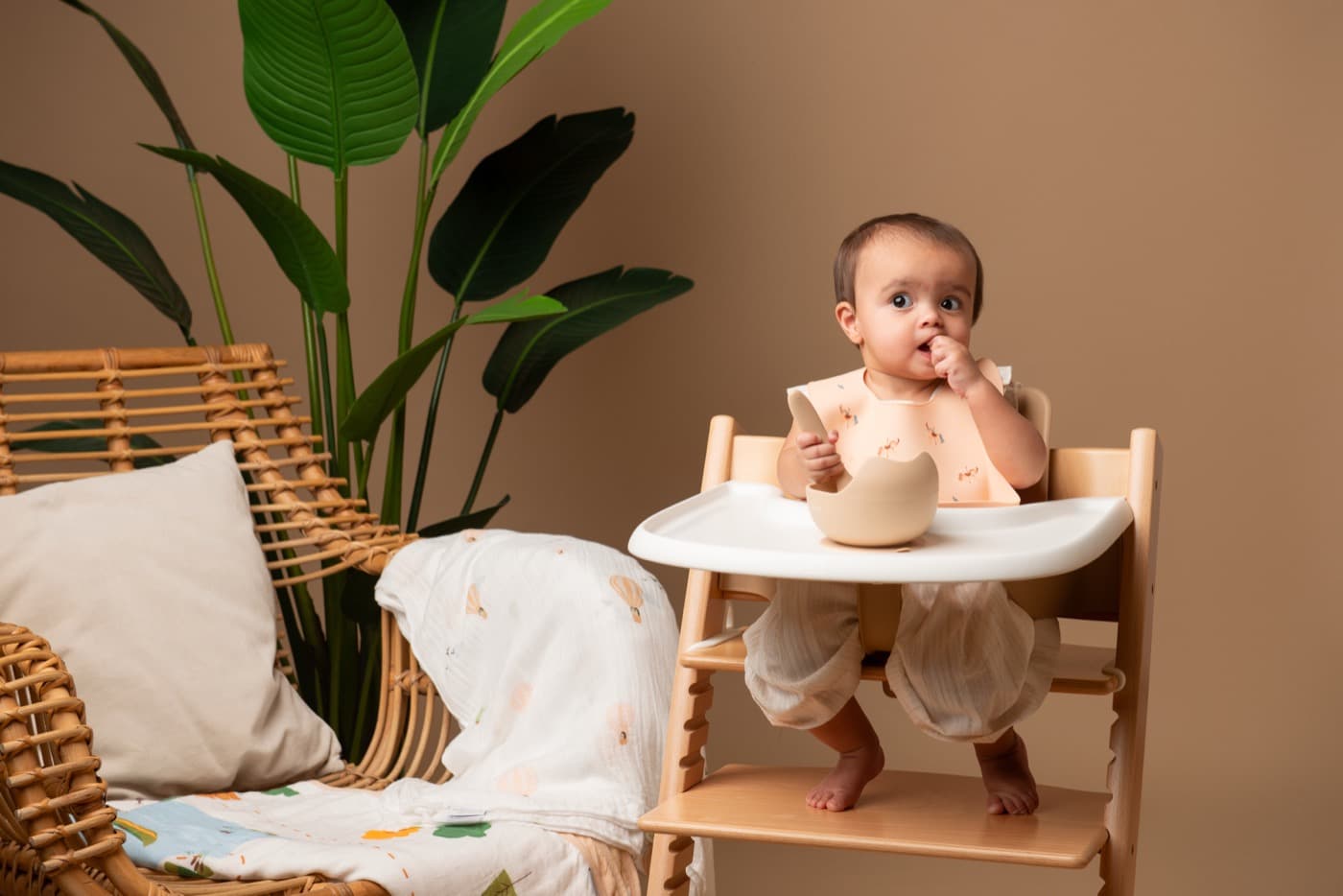
Toddler snacks have to clear three bars at once. Fast enough to make while somebody is complaining at your knee, interesting enough to be eaten, and cut correctly, because the foods toddlers like best are disproportionately the ones that cause choking.
Ilizabeth is twelve and a much better baker than I am, so half of these now get made by her while I deal with the two smallest. The cutting rules come first, because they count for more than any recipe here.
What needs cutting, and how
Choking risk in small children comes from shape as much as from size, and round, firm and roughly windpipe-sized is the dangerous combination. Most guidance applies these precautions until around four, and supervision applies throughout: sitting down, with somebody there.
Grapes, cherry tomatoes and large blueberries all need quartering lengthwise and never across, because halving a grape leaves a plug of almost exactly the wrong shape. Sausages and hot dogs go into lengthwise strips and never into coins, which are the classic hazard shape.
Whole nuts wait until around four or five in most guidance. Smooth nut butter thinly spread is fine, though a spoonful of it on its own isn't, since it can form a plug. Raw hard vegetables, carrot, apple, celery, should be grated, cooked soft or sliced very thin under about four.
Popcorn, hard candies, marshmallows and chunks of firm cheese are all best avoided under four, and cheese is much better grated or cut into thin strips. Anything with a tough skin that slips should be skinned and deseeded first.
The ten snacks
All assembled, none cooked, and none of them needing more than one bowl.
Banana pancake bites are one banana mashed with one egg, dropped in small spoonfuls into a dry pan. Two ingredients, they freeze beautifully, and there's no added sugar. Skip them if egg hasn't been introduced yet. Yoghurt with fruit stirred through works best as plain full-fat yoghurt with mashed berries or grated apple for sweetness, since toddlers under two generally need the fat and plain yoghurt has a fraction of the sugar of the pots marketed at them.
Toast fingers with a thin scrape of nut butter or hummus should be cut into strips a fist can hold with a bit sticking out over the top, because that overhang is what makes self-feeding possible. Grated cucumber and carrot on a plate turns two of the commonest choking hazards into a snack, and small children find grated vegetables oddly compelling.
Cheese strips with soft fruit, in thin strips, alongside pear or peach. Roasted chickpeas, well cooked and squashed slightly so they break down easily, skipped entirely while still firm. Frozen fruit in a mesh or silicone feeder for a teething toddler, which is cold and slow and occupies both hands, and which got us through a great deal of Holly's first summer here.
Oat bites made from oats, mashed banana and a spoon of nut butter, rolled and baked for ten minutes, which makes about a week's worth. Boiled egg quartered lengthwise, which is high in protein, quick, and one of the very few snacks that reliably holds a toddler until the next meal. Avocado mashed onto rice cakes, served sitting down with a drink, since rice cakes are dry and can crumble.
More at the toddler table
How often to snack
Twice a day is the usual shape, mid-morning and mid-afternoon, with meals in between and water the rest of the time.
Constant grazing is the most common reason a toddler refuses meals, and the pattern is easy to fall into. A child who has eaten steadily since breakfast has no appetite at lunch, the parent worries about the missed lunch, more snacks appear, and it locks in. I've done this.
Treat snacks as small meals: sat down, on a plate, at roughly the same times each day. A snack handed over in a stroller to stop a complaint is a different thing altogether, and those are the ones that displace real food. I hand them over anyway, I think about twice a week.
Sugar, salt and the packaged aisle
Packaged toddler snacks are the most heavily marketed and least necessary category in the store. A great many products labeled for babies and toddlers are high in free sugars, including the fruit-based ones, because puréeing and concentrating fruit releases sugars that were bound up in the whole food. No added sugar on a fruit snack is technically true and nutritionally beside the point.
Salt is the clearer limit. Young children's kidneys handle sodium poorly, and most guidance caps toddler intake around 2 g of salt a day, which a few slices of processed meat or a portion of adult soup can exceed on its own.
Read the per-100 g figures, since portion sizes on toddler packaging are frequently smaller than what a child eats. Avoid honey entirely under twelve months because of the botulism risk, and check ingredient lists for it in cereal bars and yoghurts, where it hides. Rice-based snacks are fine occasionally, though several health authorities advise against rice drinks as a milk substitute for young children because of arsenic content. Whole foods that need no packaging cover almost every snack occasion, at a lower cost.
Mentioned above
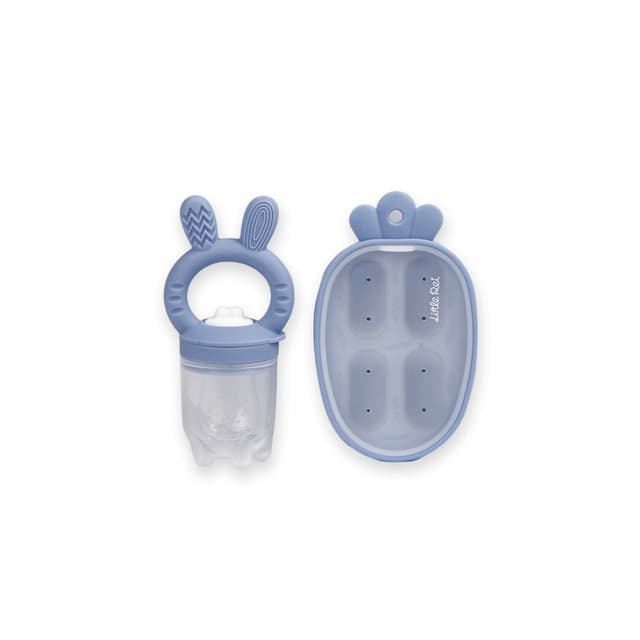 Fruit Feeder with Mini Freezer TrayS$24.90Shop now
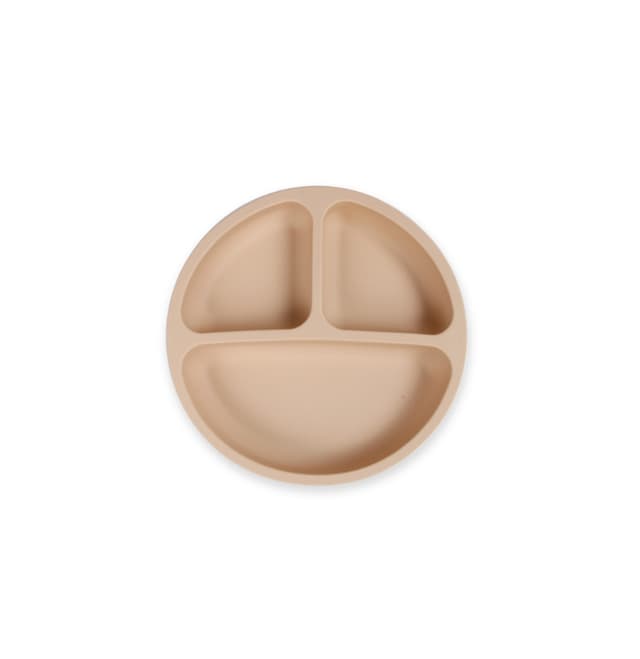 Silicone Round PlateS$24.90Shop now
If they refuse everything
Refusal is close to universal between about one and three, and it's developmental. Appetite drops as growth slows after the first year, and neophobia, wariness of new foods, peaks in exactly the same window, and you can't argue a toddler out of either. What helps is separating the two jobs cleanly. What's on the table and what time it lands are yours. She decides whether and how much. Keep offering a refused food without any commentary at all, because repeated neutral exposure works and often takes ten or more presentations before anything changes.
Don't offer a substitute snack when the first is refused, and try very hard not to let eating become a negotiation. If a child is losing weight, gagging or choking frequently, refusing whole food groups for months, or has fewer than about twenty accepted foods, raise that with a doctor or dietitian instead of managing it on your own.
Asked most often
How should I cut grapes for a toddler?
Lengthwise into quarters, not across into halves. A halved grape is close to the shape and size of a small child's airway. The same applies to cherry tomatoes and large blueberries, and most guidance keeps this rule until around four.
How many snacks should a toddler have a day?
Usually two, mid-morning and mid-afternoon, served sitting down at roughly the same times, with water between. Constant grazing is the most common cause of meal refusal, because a child who eats steadily all day has no appetite at mealtimes.
Are packaged toddler snacks healthy?
Often less than the packaging suggests. Many are high in free sugars, including fruit-based ones where puréeing releases sugars bound up in whole fruit. Check the per-100 g figures and ignore front-of-pack claims, and watch salt, which young children's kidneys handle poorly.
Can toddlers eat nuts?
Not whole. Most guidance advises against whole nuts before around four to five because of choking risk. Smooth nut butter spread thinly is fine once nuts have been introduced, but a spoonful on its own can form a plug and should be avoided.
What if my toddler refuses every snack I offer?
Refusal peaks between one and three as appetite drops and wariness of new foods rises. Keep offering without commentary, acceptance often takes ten or more neutral exposures. Speak to a doctor or dietitian if your child is losing weight, gagging often, or has a very small range of accepted foods.
The evidence
- NHS: Foods to avoid giving babies and young children
- NHS: What to do if a child is choking
- HealthHub: Ministry of Health Singapore
This guide is general information, written to help you understand a topic and ask better questions. It is not medical advice and does not replace your own doctor, midwife or paediatrician. Anything that worries you about your baby belongs with them.