

11 December 2025 · Maia Hillsborrow
Marketing Director · Mother of five
Easy, Fun Smoothie Ideas for Moms and Babies on the Go
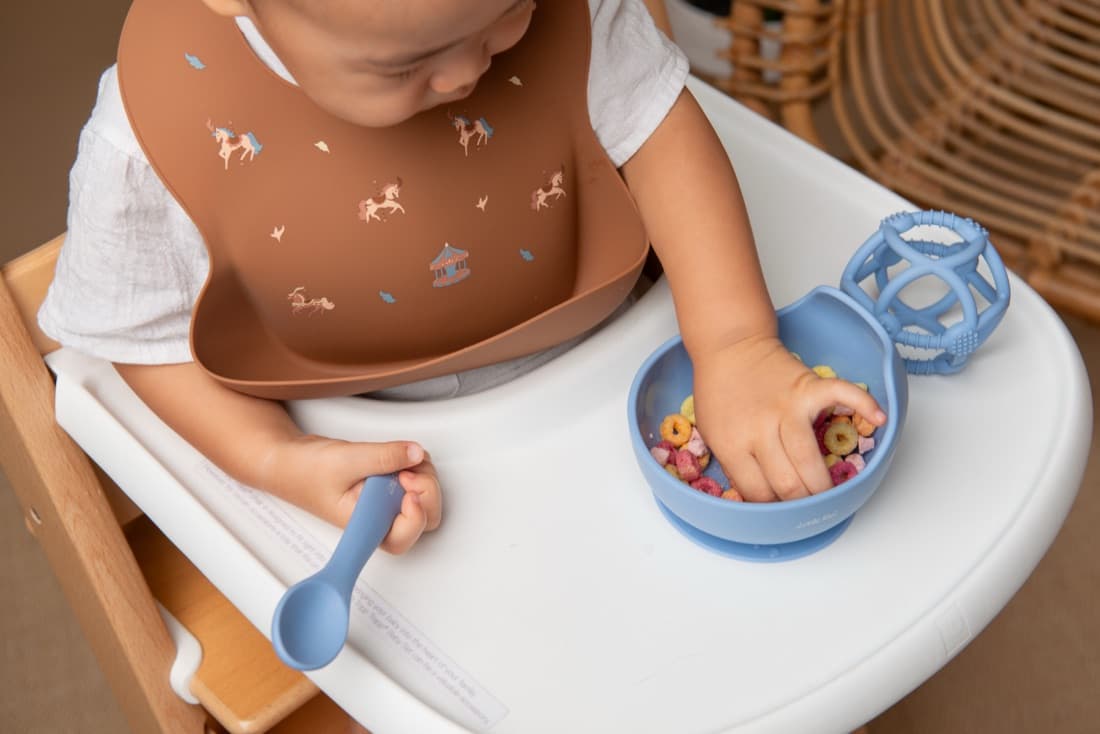
Smoothies solve two specific problems in our house. The morning where nobody has time to sit down, and the afternoon where a six-year-old will accept nothing recognizable as a vegetable.
They aren't a health food by default, and a smoothie can very easily contain more sugar than a dessert. Made to a sensible formula, though, they're handy, and with five children I make a great many of them. Four a week, I'd guess. Possibly more.
The formula
Every smoothie here is the same four things in different combinations. Once you have the ratio you can stop following recipes entirely, which is the reason to learn it.
| Part | Amount | Examples |
|---|---|---|
| Liquid | About 120ml | Milk, plant milk, plain kefir, water |
| Fruit | 1 cup | Banana, mango, berries, pear, peach |
| Something hidden | Half a cup | Spinach, cooked cauliflower, cooked carrot, avocado, courgette |
| Substance | 1-2 tbsp | Yoghurt, nut or seed butter, oats, chia, silken tofu |
The fourth part is what separates a smoothie that keeps somebody full until lunch from one that leaves them hungry in forty minutes. Fruit and liquid on their own are essentially juice with some fiber in it.
Six combinations
Each one uses the same four-part formula with different ingredients, and none of them needs measuring.
Green that doesn't look green enough to argue with: mango, banana, spinach and milk, where the mango overwhelms the spinach completely and the color comes out closer to yellow. Berry and oat: frozen mixed berries, banana, rolled oats, yoghurt and milk, thick enough to eat with a spoon if you cut back the liquid.
Cauliflower and cocoa is the one nobody believes until they try it: frozen cooked cauliflower, banana, a teaspoon of cocoa, milk and a spoon of nut butter. The cauliflower is undetectable and gives it the texture of ice cream. Peach and carrot pairs cooked carrot with tinned or fresh peach, yoghurt and a pinch of cinnamon.
Avocado and pear is the gentlest of them and the best one for a baby: half an avocado, a ripe pear, milk and a squeeze of lime. Beetroot and berry (cooked beetroot, frozen raspberries, banana and milk) comes out an alarming color, which is exactly why a four-year-old likes it and why Katherine asks for it.
More easy food
Making them work for a baby
Smoothies can be offered from around six months once solids have started, with a few real constraints.
No honey before twelve months, because of botulism risk. No cow's milk as a main drink before one, though it's perfectly fine as an ingredient in food from six months. Offer it in an open cup or a straw cup, alongside a meal.
Keep it a side dish and never a replacement, since milk feeds remain the main source of nutrition right through the first year. Introduce one new ingredient at a time where allergens are in play, particularly nut butters and dairy, and don't sweeten it, because a baby has no expectation that food should be sweet unless somebody creates one.
For a baby, thickness counts far more than flavor. A very thin smoothie is hard to manage from a cup. A thicker one is easier, and you can spoon-feed it or let her feed herself, which is where both the mess and the learning happen.
The safety notes
Only a few, and the first two count most under one.
Mentioned above
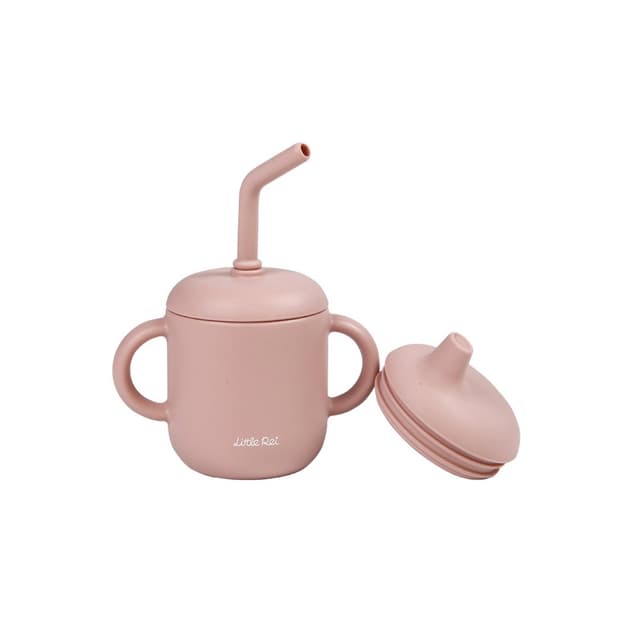 Silicone Multi Use CupS$24.90Shop now
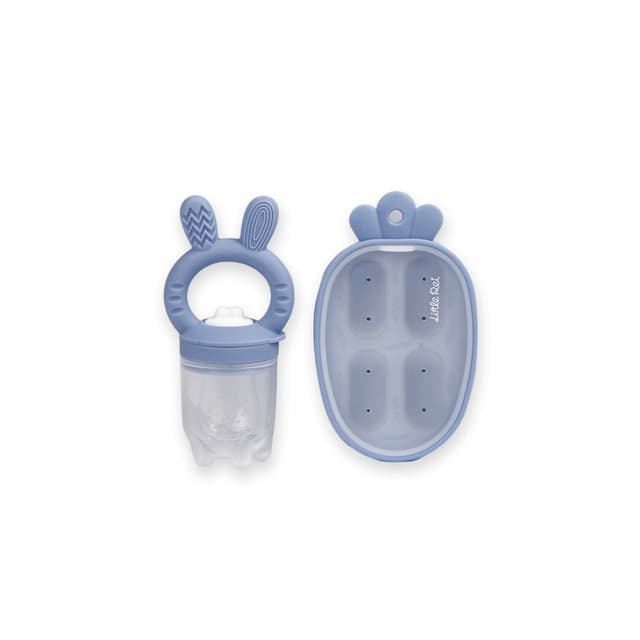 Fruit Feeder with Mini Freezer TrayS$24.90Shop now
Blend it properly, because unblended pieces of nut, raw hard vegetable or whole grape are choking risks and the blender needs to finish the job. Watch the total amount of fruit. Blending breaks fruit down, so its sugars are released faster than from whole fruit, even though the fiber is still there. One portion of fruit per drink is a sensible ceiling for a small child.
Remember that a smoothie counts once, whatever its volume, toward a day's fruit and vegetables. Mind her teeth: sipping a fruit drink slowly over an hour keeps the mouth acidic for that whole hour, so it's much kinder to finish it with a meal. Skip added juice, which adds sugar and nothing the whole fruit doesn't already give.
Making them fast
A smoothie that takes ten minutes and dirties three things doesn't get made a second time, so these are the shortcuts that keep it happening on a weekday. Freeze portions: bag up the fruit, the vegetable and any oats together in single servings, so that in the morning it's one bag plus liquid. Freeze cooked vegetables in ice cube trays, cauliflower, carrot, zucchini, beetroot, and use two cubes per drink. Use frozen fruit and not ice, because ice waters it down while frozen fruit chills without diluting. Ripe bananas, peeled and frozen in pieces, are the best thing to keep in a freezer for this. Blend once and split it three ways, adjusting each glass with a spoon of yoghurt or a splash of milk, which is how one jug feeds an adult and two children on a school morning.
Anything left over goes into ice lolly molds, which turns the half nobody drank into the thing everybody asks for at four in the afternoon.
What the research says
- NHS. Foods to avoid giving babies and young children
- NHS. Drinks and cups for babies and young children
This guide is general information, written to help you understand a topic and ask better questions. It is not medical advice and does not replace your own doctor, midwife or paediatrician. Anything that worries you about your baby belongs with them.