

25 August 2026 · Samantha Lin
Designer · Mother of two
Do You Need to Wipe a Baby After Every Wet Diaper?
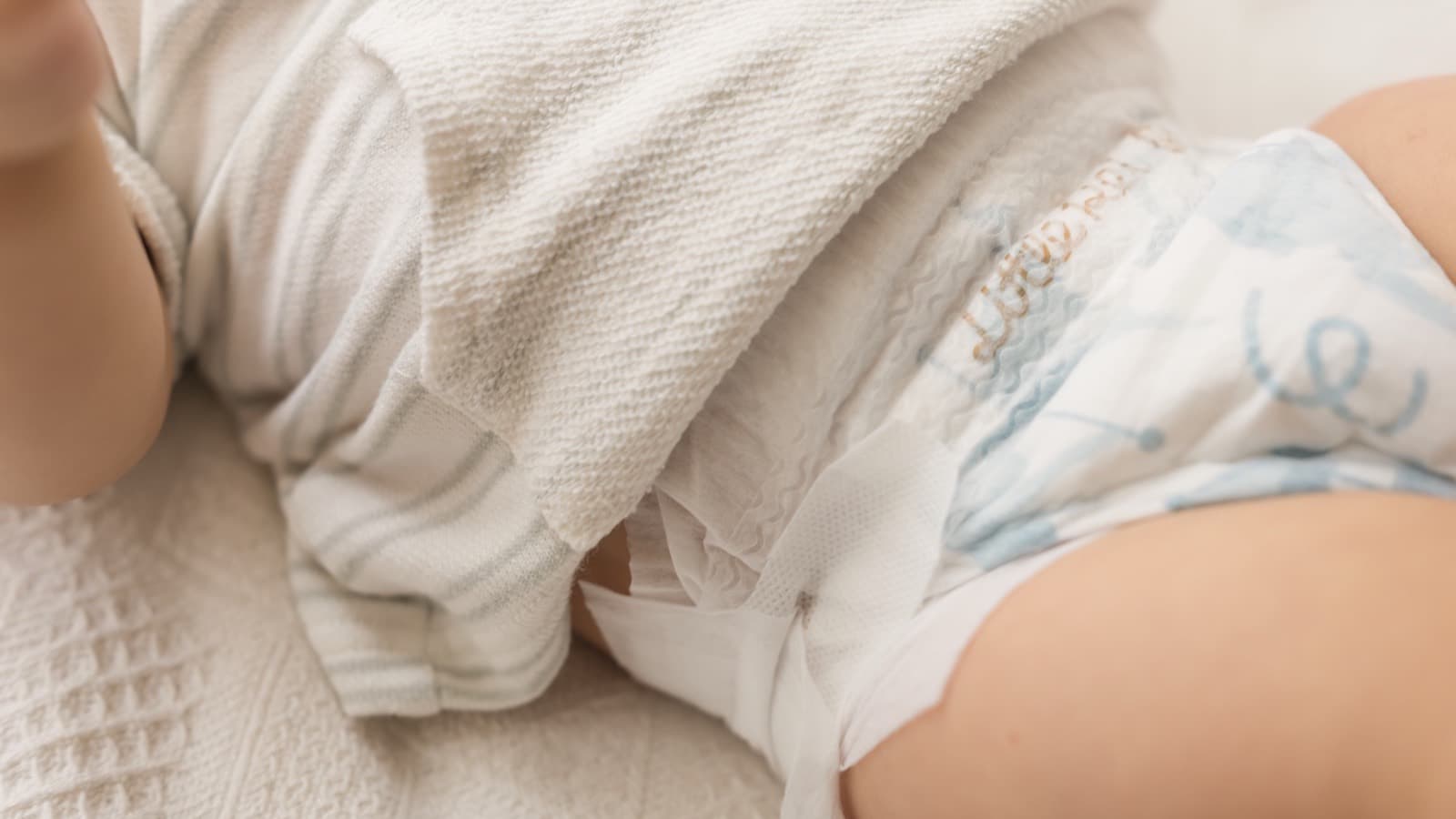
No, not for a straightforwardly wet diaper on healthy skin. Urine is close to sterile in a well baby, and wiping adds friction to skin that doesn't need it.
The longer answer is that what you do after the wipe counts for far more than whether you wiped, and almost nobody talks about that part.
Why it's usually optional
A wet diaper has done its job by keeping the moisture away from the skin. Wiping introduces friction, and friction on newborn skin is one of the mechanisms that turns ordinary redness into a rash.
It also uses a wipe every time, which over a year and eight changes a day is an absurd number of wipes and a real cost. We worked it out once, about S$180 a year, and stopped doing it that afternoon.
So for a plain wet one: off, dry, on. That's a complete change.
| Situation | Wipe? | Why |
|---|---|---|
| Any stool at all | Always | Enzymes in stool are the main irritant |
| A girl, wet only | Always | Anatomy makes front-to-back cleaning necessary |
| A boy, wet only, hot room | Optional | Dry the creases, since the damp there is mostly sweat |
| A boy, wet only, air-conditioned room | Optional | Dry the creases even if you skip the wipe |
| Skin already red or broken | Water and cotton wool | Wipes add friction to damaged skin |
| Every change, without exception | Dry after | This step matters more here than the wipe |
When to always wipe
The exceptions are specific. Know them instead of guessing.
- Any stool at all, however small, and clean front to back.
- A girl, if there's any chance of stool, since the anatomy makes it easier for things to travel.
- An existing rash, when the area needs a gentle clean at every change with water and a soft cloth.
- A very full or leaked diaper, where urine has been sitting against skin and not held in the core.
- Anywhere there's visible residue, cream build-up or anything sticky.
- In this heat, when the folds of the thighs are damp with sweat. Wipe and dry them; this is the one people miss.
If the skin is already irritated
The bit that matters more
Drying, which everybody skips, and which I skipped for most of a year. A diaper closed over damp skin in a warm humid flat is the most reliable way to produce nappy rash, and it doesn't matter whether the damp is water, urine, sweat or a wipe, so ten seconds of air before the clean diaper goes on prevents more rash than any cream you can buy. Pat and never rub, get into the creases of the thighs and the groin properly, and if you can spare thirty seconds instead of ten, take them. Charles was prone to redness in the folds through his whole first year and the thing that fixed it wasn't a product. It was making the drying a deliberate step.
Wipes, water, or cloth
Water and a soft cloth is the gentlest and the cheapest, and it's what we use at home. A stack of soft cloths and a bowl or a flask of warm water is a two-minute setup and it removes the cold-wipe problem entirely.
Wipes are what you take out of the house, and there's nothing wrong with them. Choose fragrance-free and alcohol-free, and be aware that most of what's added beyond water is there for shelf life. Fragrance in particular is a common irritant and is doing nothing for your baby. I'm not sure the alcohol-free label is checked by anybody either. Read the back.
Cotton wool and water is the standard for the first few weeks and for any broken skin, and go back to it whenever the skin is unhappy.
One thing I'd say as somebody who designs products: a wipe marketed as 99 percent water is mostly telling you what isn't in it, which is a reasonable thing to want. It isn't telling you that the remaining one percent is nothing.
Mentioned above
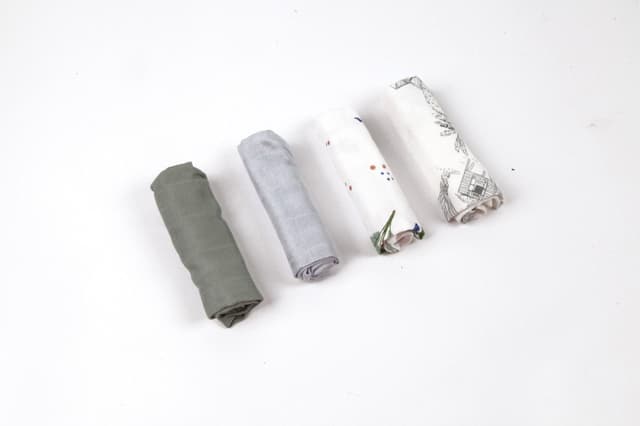 Bamboo Wash Cloth 4pc (Rustic Rainforest)S$25.00Shop now
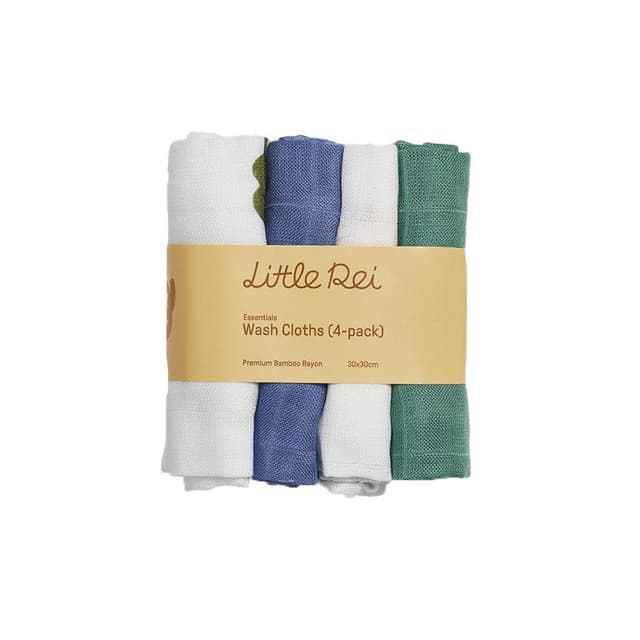 Bamboo Train Wash Cloth - 4pcS$25.00Shop now
Read next
What other parents wanted to know
Do you need to wipe a baby after every wet diaper?
Not for a plain wet one on healthy skin. Wipe for any stool, for a girl if stool might have travelled, for an existing rash, and in this heat when the creases are damp with sweat. Then dry, which counts for more.
Is it bad to wipe a baby too often?
Excess friction on thin skin is a real cost, so water and cotton wool are gentler than wipes. But drying afterwards matters more than either.
Should you dry a baby's bottom after wiping?
Yes, and it's the step most often skipped. A diaper seals skin away from air, so skin put away damp is the main cause of irritant rash.
Are baby wipes or water better for a newborn?
Cotton wool and warm water for the first few weeks and any time skin is broken. Fragrance-free, alcohol-free wipes after that.
Do you wipe a boy after a wet nappy?
It's optional for a plain wet one. Dry the creases at the top of the thighs either way, since that's where sweat collects.
This guide is general information, written to help you understand a topic and ask better questions. It is not medical advice and does not replace your own doctor, midwife or paediatrician. Anything that worries you about your baby belongs with them.