


A diaper that copes perfectly well all day and fails at four in the morning isn't a mysterious product defect. It's a longer stretch, a different position and a colder room, and each of those does something specific.
Why nights leak when days don't
Three things change after she goes down. The stretch is the obvious one: twelve hours against a daytime two or three, so the diaper is being asked to hold four or five times as much. The position is less obvious, because she's flat on her back for hours, so the urine pools at the back and doesn't spread through the core, and the classic overnight leak is up the back. The third is temperature, and in a flat here it's the one people miss. A bedroom that's air-conditioned overnight means the diaper doesn't warm and the moisture doesn't distribute the way it does in a warm room. Then the aircon timer switches off at three, the room climbs five degrees, she sweats, and the diaper is now dealing with both.
The fit checks that fix most leaks
Most overnight leaking is fit, which is good news because fit is free to correct.
- Pull the leg cuffs out. This is the most common cause of leaks and it takes two seconds. Run a finger around each leg after fastening. The ruffle should stand up and out, and if it's tucked inward it is a channel pointing outward.
- Bring the back higher than the front. Fasten it so the rear waistband is above the front one, which gives the pooling somewhere to go and stops the up-the-back leak directly.
- Two fingers at the waist. Tighter doesn't seal better; it creates gaps at the legs by pulling the cuffs flat.
- Check for a red ring at the waist or thighs in the morning, which means too tight or the wrong size.
- Point the penis downward before fastening, for boys, which prevents most of the leaks up the front.
- Smooth the front panel flat before you fasten, since a fold in the core is a fold the liquid runs along.
If all six are right and it still leaks, then size is the question, and the answer is usually up, since capacity goes up with size. A diaper that's snug in the evening has no room left by four.
Doing it without waking them
What to do about the air-con
Handle the temperature swing directly, because it causes both leaks and rash.
Keep the room steady through the night, and don't let a timer drop it. The three o'clock climb is the problem, and a room that stays at one temperature until morning means one set of conditions for the diaper. Ours is set to 25 all night and the timer is off. The electricity bill went up by about S$30 a month, and the four o'clock changes stopped. Or nearly. I can't remember the last one, which is the point.
Dress her for the cooler part of the night, since it's easier to be slightly warm than to have her sweat at dawn into a diaper that's already full. A sleep sack over the top helps in a way people don't expect: it holds the diaper snug against her without you having to fasten it tighter.
Mentioned above
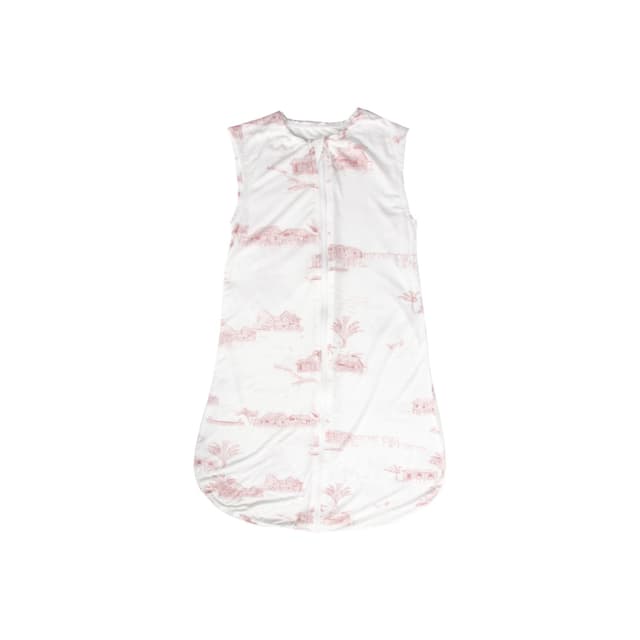 Sleep Sack (6-12M)from S$49.00Shop now
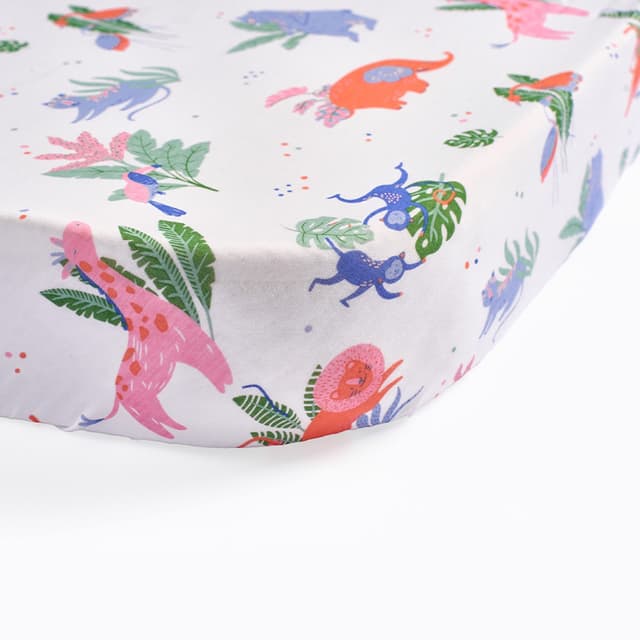 Rectangular Fitted SheetS$69.00Shop now
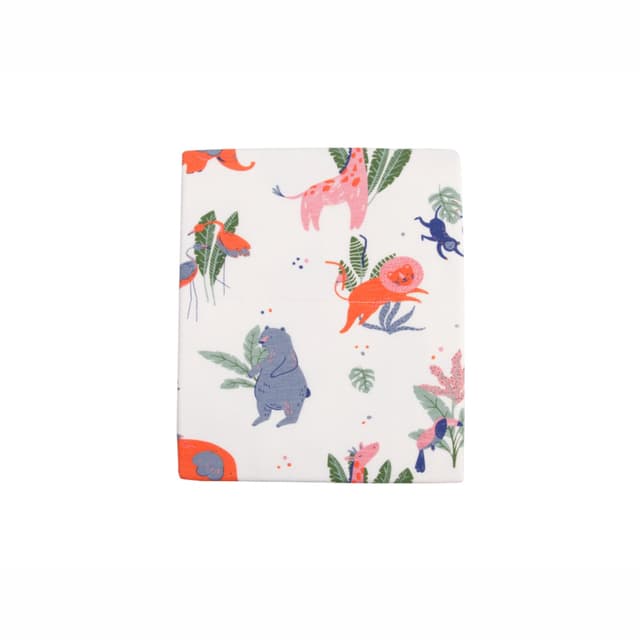 2 Layer Blanket (120x120cm)S$85.00Shop now
Should I change the diaper overnight at all?
For a wet one, generally not. Sleep counts for more, and an overnight diaper is designed for exactly this.
For stool, always, whatever the hour. For a baby who already has a rash, yes, including wet ones, for the few nights it takes the skin to recover. For a baby who's soaking through every night regardless of fit, a change at the feed you're already doing is a reasonable compromise until you've solved it.
When it isn't the diaper
Occasionally the volume itself is the signal.
- A sudden increase in wet nappies alongside more thirst, which needs a same-day conversation with a doctor.
- Very dark or strong-smelling urine, which points the other way, at not enough fluid.
- Leaking that started abruptly with no change in size, brand or routine.
- Stools that have become watery and very frequent, which will defeat any diaper.
- Blood or mucus in the stool.
- An older toddler who was dry overnight and has started leaking again, which can accompany a urine infection.
What I read for this
- NHS: Nappy rash
- NHS: Reducing the risk of sudden infant death syndrome
- HealthHub: Ministry of Health Singapore
This guide is general information, written to help you understand a topic and ask better questions. It is not medical advice and does not replace your own doctor, midwife or paediatrician. Anything that worries you about your baby belongs with them.