

12 June 2026 · Veronica Chi
Business & Product Director · Mother of two
Why Use Food-Grade Silicone for Baby's Utensils and Cutlery
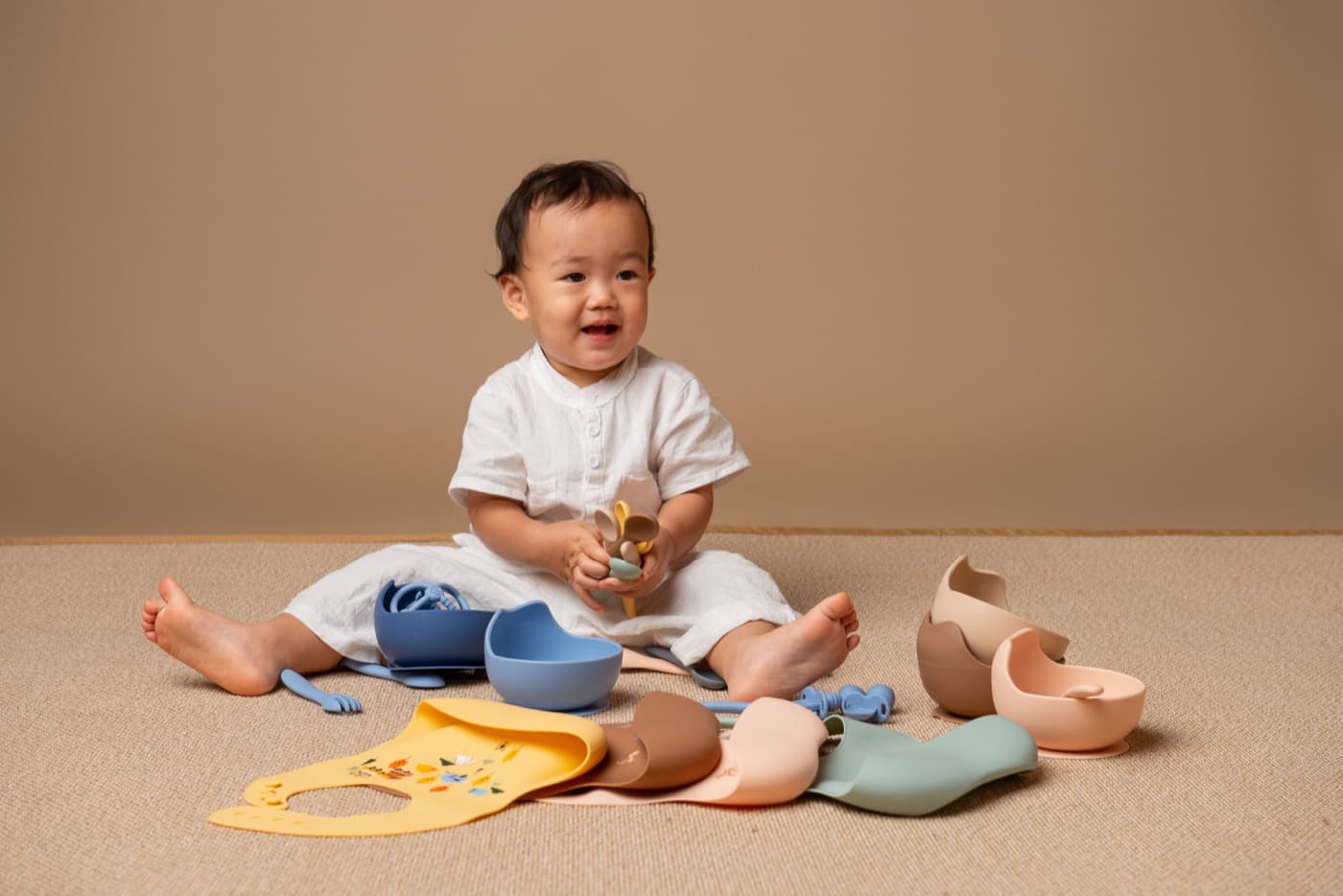
Food-grade silicone is a good material and the phrase itself has less weight than most packaging implies. Know what it does and doesn't guarantee before you pay a premium for it.
What does food-grade silicone mean?
That the material meets a standard for contact with food, and which standard is the part nobody prints in large type. In practice you'll see two: the US FDA sets requirements for food-contact substances, and Germany's LFGB testing is the stricter of the two, particularly on volatile residues left over from manufacturing, so a product tested to LFGB has cleared a higher bar than one that says only food-grade. The other distinction is how the silicone was cured. Platinum-cured silicone is processed with a platinum catalyst and leaves fewer by-products. Peroxide-cured is cheaper and can leave more residue, which is what produces the faint rubbery smell on some cheap items. If a manufacturer volunteers that theirs is platinum-cured, that's a real thing to have volunteered.
Take a certification over a kitchen-table test. A word on the twist test, which circulates widely, pinching or twisting a piece to see whether white shows through, on the theory that white indicates a filler. It's crude, it isn't reliable, and it fails plenty of perfectly good products with pigment in them.
Why silicone and not plastic
Several practical reasons and one about chemistry.
It tolerates heat, so it sterilises and goes in a dishwasher without degrading, where plastics craze and cloud over time and a scratched plastic surface harbours bacteria. It doesn't shatter. It's soft against gums, which counts a great deal at the age when a spoon meets a mouth that's also teething.
It sidesteps the plastics conversation entirely. Silicone isn't a plastic and doesn't contain BPA, phthalates or PVC, so the question of what leaches from a warm plastic bowl doesn't arise. That's an advantage, stated without inflating it.
Kitting out the high chair
Does silicone make mealtimes easier?
The suction base does, more than the material.
A bowl that stays on the table removes the most reliable feature of early self-feeding, which is the bowl going on the floor. That's a design property, and it's the thing to pay for, though whether it survives a determined eighteen-month-old I haven't checked. Ours held.
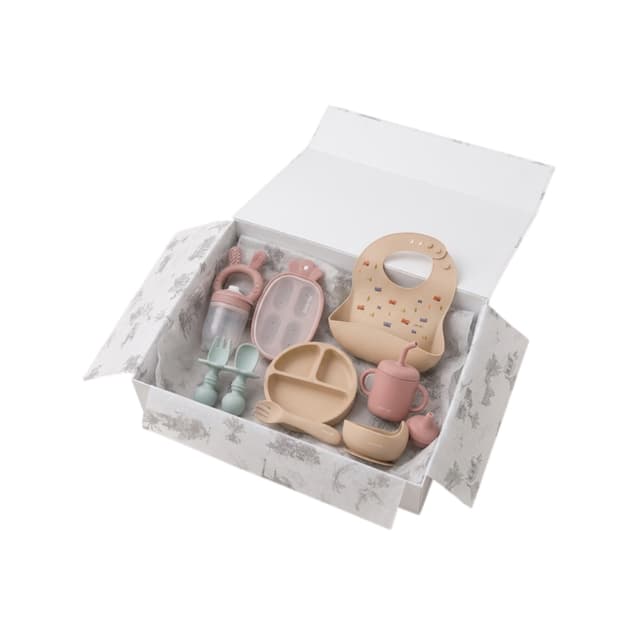
Soft-edged spoons count for the same practical reason: a baby learning to feed herself brings the spoon in at unhelpful angles and a hard edge on a sore gum ends the meal. Silicone bibs with a catch pocket keep what falls, which is the difference between changing a top and wiping a chest.
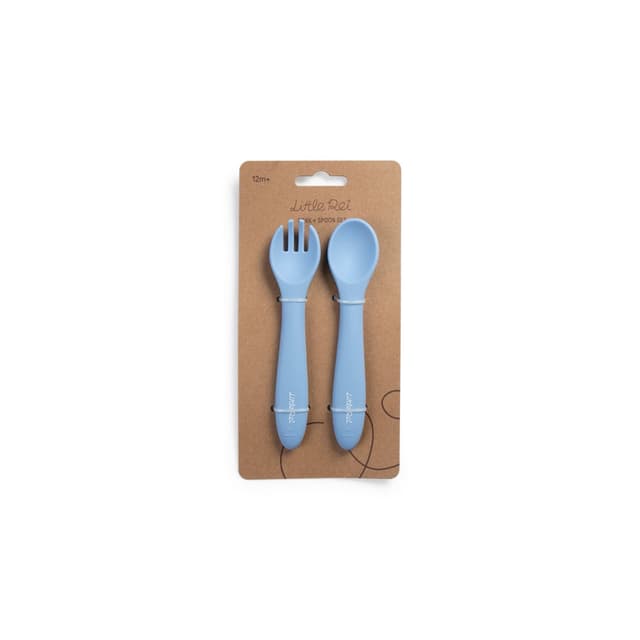
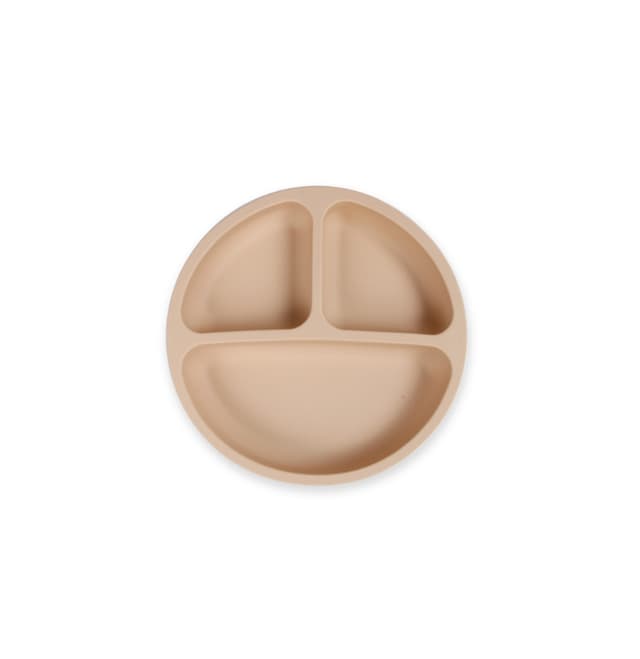
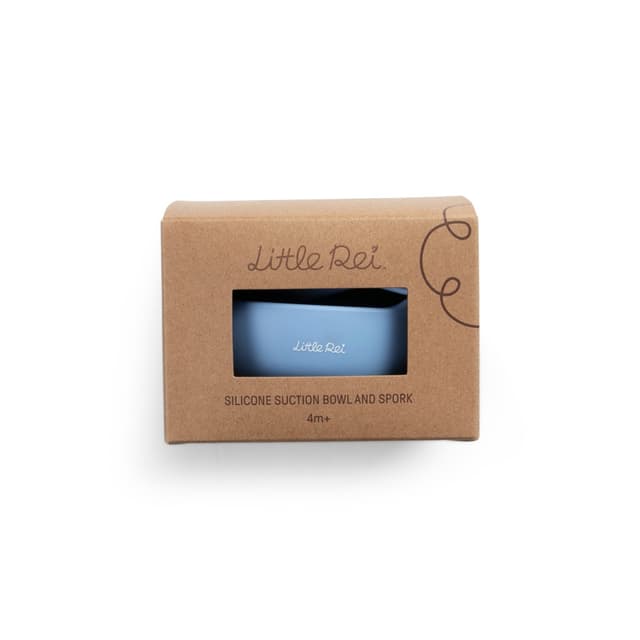
What to look for when buying
Five things, and the last one is where I'd spend the money.
- A named standard. LFGB or FDA compliance, stated on the packaging. Food-grade on its own isn't a certification.
- One-piece construction wherever possible. Joins and glued seams are where food collects and where things eventually separate.
- No detachable small parts on anything a baby handles unsupervised.
- Dishwasher and steriliser safe, confirmed by the manufacturer and never assumed.
- A suction base that applies. This varies enormously between products at the same price and it's the feature that determines whether you use the thing daily or once.
Where a cheaper option is fine: a plain stainless steel or melamine bowl and a soft-tipped spoon will feed a baby perfectly well. The premium here buys convenience and durability, provided the cheaper item is itself food-safe. I'd rather you spent the difference on a second suction bowl than on a branded set of eight pieces you use two of.
Sources
- NHS: Baby's first solid foods
- NHS: What to do if a child is choking
- HealthHub: Ministry of Health Singapore
This guide is general information, written to help you understand a topic and ask better questions. It is not medical advice and does not replace your own doctor, midwife or paediatrician. Anything that worries you about your baby belongs with them.