

18 June 2026 · Veronica Chi
Business & Product Director · Mother of two
Bandana Bib, Cloth Bib or Silicone Bib? When to Use Each One
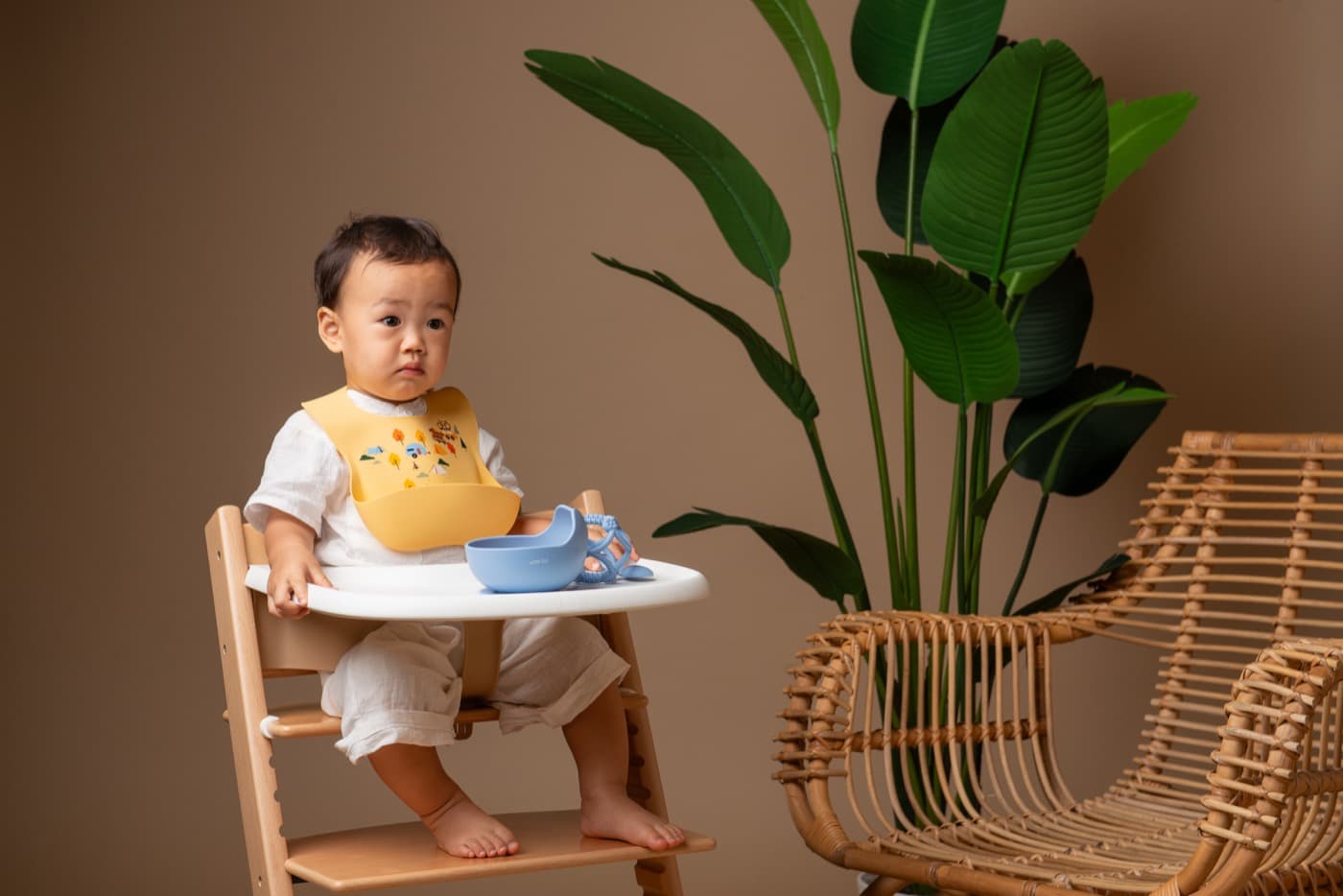
Three kinds of bib, three different jobs, and most families buy roughly twice as many as they use. I'll do the jobs first and then the number.
When should you use a bandana bib?
For drool, which means from around three or four months until teething finishes, and it's the only one of the three that's worn all day.
The job is absorbing a constant small amount of moisture before it runs down a neck and into the folds, which in this climate is where the redness starts. The shape exists so it looks like clothing, which counts when it's on for twelve hours a day.
What to look for: an absorbent layer against the skin and a backing that resists soaking through to the clothes, and poppers with two positions so it grows. Change it the moment it's damp. A wet bib against a neck all afternoon is worse than no bib.
When is a cloth bib the right choice?
For milk feeds and for the early weeks of solids, where the problem is liquid.
Cloth absorbs, which is what you want when the mess is milk, spit-up or a thin purée. A silicone bib will let all of that run straight off and into a lap. This is the one that goes over the shoulder as often as it goes round the neck.
Cotton or bamboo terry, washable at sixty degrees, and enough of them that you aren't reusing a damp one. This is the category where quantity comes ahead of quality.
| Bib | Stage | What it does best |
|---|---|---|
| Bandana | 0-6 months | Drool and dribble rash; looks like clothing |
| Cloth | 0-9 months | Milk feeds, posseting, burping: absorbs |
| Silicone | 6 months + | Solids. Catches, wipes clean, never launders |
| All three | 6-12 months | Most households run all three at once |
When a silicones bib take over
From the point where she's feeding herself, so around eight or nine months, and it becomes the main one for the whole of the toddler years because of the catch pocket. Once she's self-feeding, most of what leaves the spoon doesn't reach her mouth, and a pocket that catches it is the difference between wiping a chest and changing a top. Cloth can't do this, because the pocket has to keep its shape against a chest that is moving the whole time. I'm not certain there's a fabric that could, since nobody has shown me one. The second reason is that it wipes clean in ten seconds under a tap and doesn't go in the wash, which at three meals a day counts for more than it sounds. Check that it's one-piece with a soft adjustable neck fastening, that the pocket stands away from the body and doesn't collapse flat, that it's stated as food-grade to a named standard (LFGB or FDA), and that the neck fastening releases under pressure.
On the milk-feed end of this
So which bibs do you need
Fewer than the sets suggest. Here's what I'd buy, in the order you'll need them.
- Six cloth bibs from birth, for milk feeds and spit-up. These get used most in the first six months and then hardly at all.
- Six to eight bandana bibs from around three months, if she drools. Some babies barely do and some soak four a day, and you won't know which you have until it starts, so buy a few and add more if needed.
- Two silicone bibs from around eight months. Two, not six. You wipe one while the other is drying, and that is the whole requirement.
- A couple of muslins throughout, which will do any of these jobs at a pinch and several others.
Mentioned above
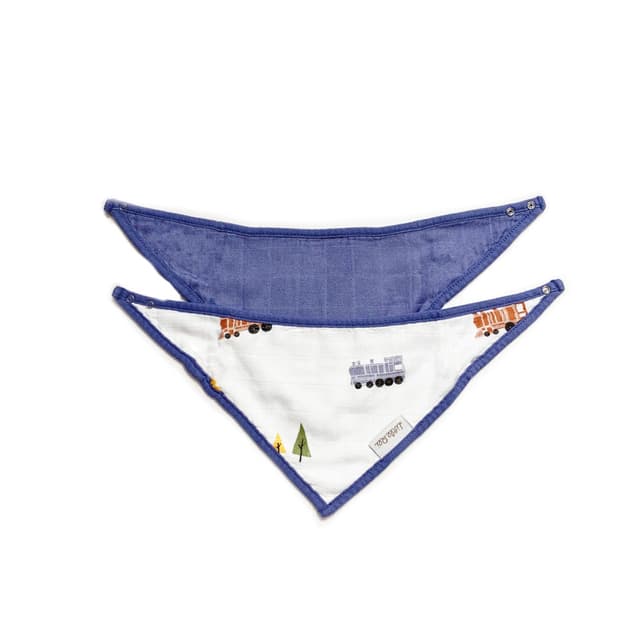 Bandana Bib 2 Pc - Blue TrainS$19.90Shop now
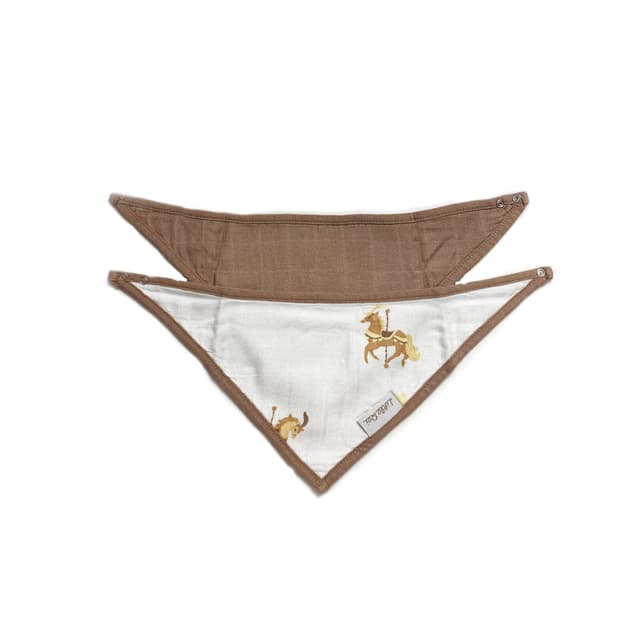 Bandana Bib 2 Pc - Carousel HorsesS$19.90Shop now
Mentioned above
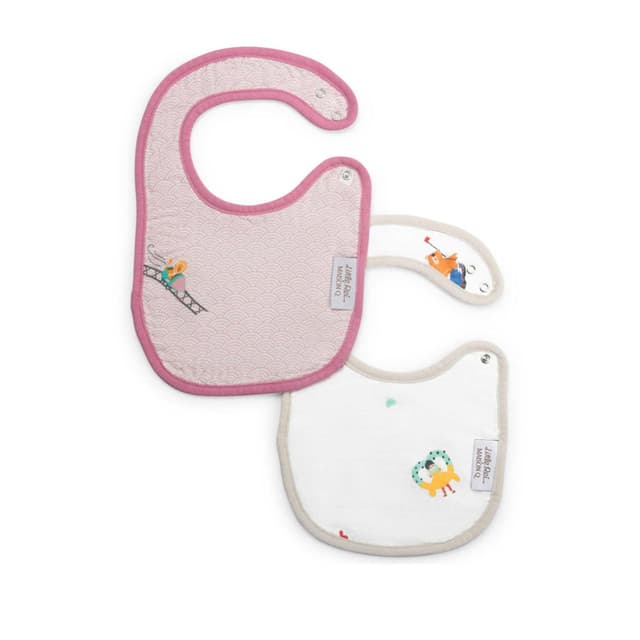 Maison Q Bib 2 Pc - CarnivalS$21.90Shop now
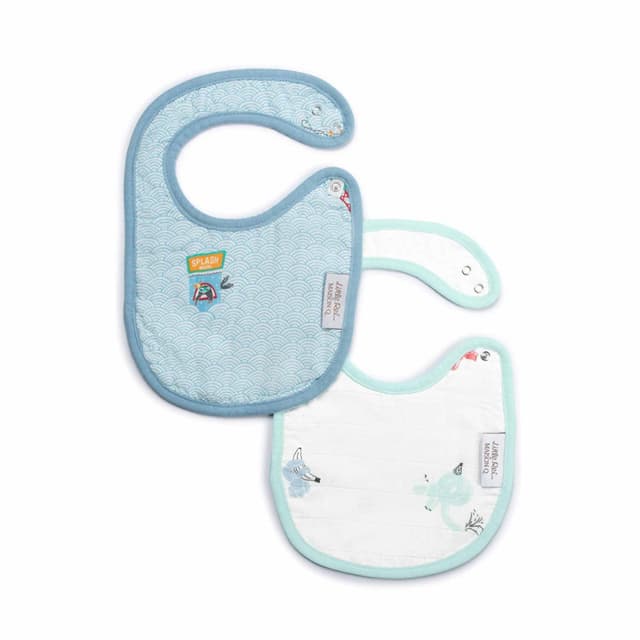 Maison Q Bib 2 Pc - Animal BalloonS$21.90Shop now
Mentioned above
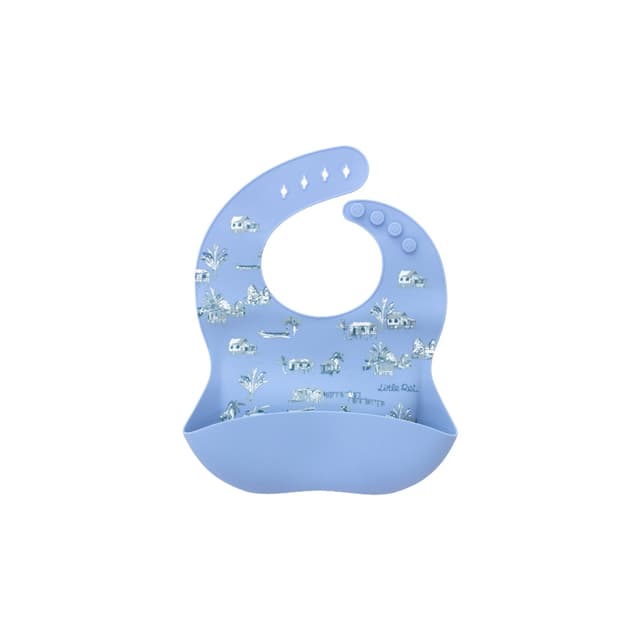 Silicone Rustic BibS$19.90Shop now
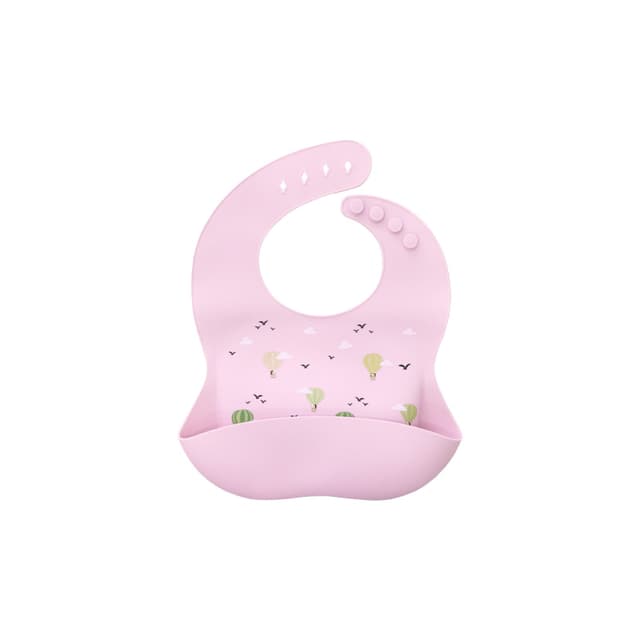 Hot Air Balloon BibS$19.90Shop now
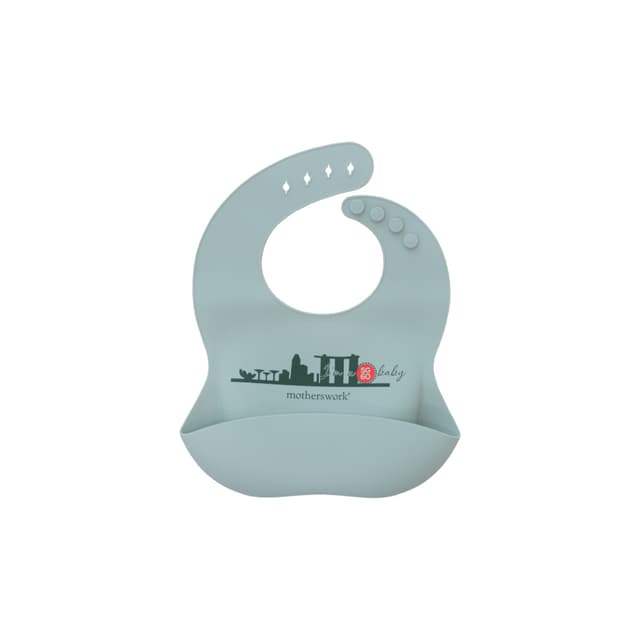 Silicone SG60 BibS$19.90Shop now
What I'd skip: full-sleeved coverall bibs, which are hot here and get worn twice, disposable bibs, which are an expensive answer to a problem a wipe solves, and anything with an appliqué or a decorative edge that won't survive a wash cycle. If the budget is tight, a muslin tucked into the neckline does the cloth-bib job perfectly well for the first months.
Common questions
What's a bandana bib for?
Catching drool. The triangle shape is close to the chin, keeps damp fabric off baby's chest and helps prevent drool rash, especially from teething onwards.
When should baby start wearing a silicone bib?
From around six months, when solids begin. The catch pocket and wipe-clean surface are made for purees and self-feeding mess.
How many bibs do I need?
Roughly two to three cloth bibs, two to three bandana bibs and one to two silicone bibs covers milk feeds, drool and weaning without drowning in laundry.
Can baby sleep in a bib?
No. Remove any bib before naps and bedtime. Nothing should be worn around the neck or left loose in the cot.
How do you clean a silicone bib?
Rinse under the tap with a drop of washing-up liquid, or put it in the dishwasher. It dries almost instantly and never keeps smells.
Sources
This guide is general information, written to help you understand a topic and ask better questions. It is not medical advice and does not replace your own doctor, midwife or paediatrician. Anything that worries you about your baby belongs with them.