


Weaning is one word doing two jobs, which confuses people. It means starting solids. It also means stopping breast or bottle feeds. This covers both, in that order, because that's the order they happen.
Part one: starting solids, in outline
Around six months. She can sit with support and hold her head steady. She can bring things to her mouth accurately. She's lost the reflex that pushes food back out. Those three together are the signal. The age alone isn't.
Start with one meal a day, when she's neither ravenous nor full. In practice that's twenty to thirty minutes after milk. Vegetables first, especially the bitter ones. The window where she'll accept them without complaint is short. Use it. Build to two meals by seven or eight months and three by nine. Milk still does the nutritional work through the first year.
Introduce the common allergens early, one at a time, from six months. Keep them in the diet once they're in. That advice reversed some years ago. A lot of people haven't caught up.
The weaning set
Part two: weaning off breast or bottle
There's no correct age. I want that clear before anything else. A lot of needless misery attaches to this subject.
The health bodies suggest breastfeeding to two years and beyond, alongside solids. They also say any duration helps. Some mothers stop at six weeks. Some at three years. The child is fine either way. Whoever says otherwise, in either direction, isn't the one feeding your baby at four in the morning.
Two things make it easier. Go gradually, and pick a calm few weeks. Don't start in the same fortnight as a house move, a new nursery, a new sibling or a run of teeth.
Doing it gradually
Drop one feed every three to five days. That pace protects you from blocked ducts and mastitis. And it gives the child one change at a time.
- Start with the feed she cares about least. That's usually one in the middle of the day, almost never the bedtime feed.
- Keep the first and last feeds of the day until the end. They're about comfort as much as food.
- Replace the feed with something, and preferably with something better. A cup of milk, a snack, a story, a walk, or simply going somewhere else at that time of day.
- Change the routine that surrounds it. If she feeds in a particular chair, be somewhere else at that hour. Often she won't ask.
- Let somebody else do the bedtime routine for a few nights, which sounds like a small thing and is frequently the whole solution.
- Don't offer and don't refuse. Offering keeps the habit alive. Refusing turns it into a fight. Simply don't raise the subject.
- Expect it to go backwards during illness or a hard week. That's normal and it isn't a failure.
Engorged? Express just enough to be comfortable, no more. Fully emptying tells your body to make more. Slow down a step if you're sore. A red, hot, painful patch with flu-like symptoms goes straight to a doctor. Mastitis needs treating the same day.
Moving off the bottle
Aim to be off bottles between twelve and eighteen months. Mostly for teeth. Partly because the longer it goes, the harder it gets.
Introduce an open or straw cup from about six months so it's familiar long before she needs it. Drop daytime bottles first. Keep the bedtime one until last. When you get to it, dilute it over a fortnight, or move it earlier so it's no longer part of falling asleep.
Mentioned above
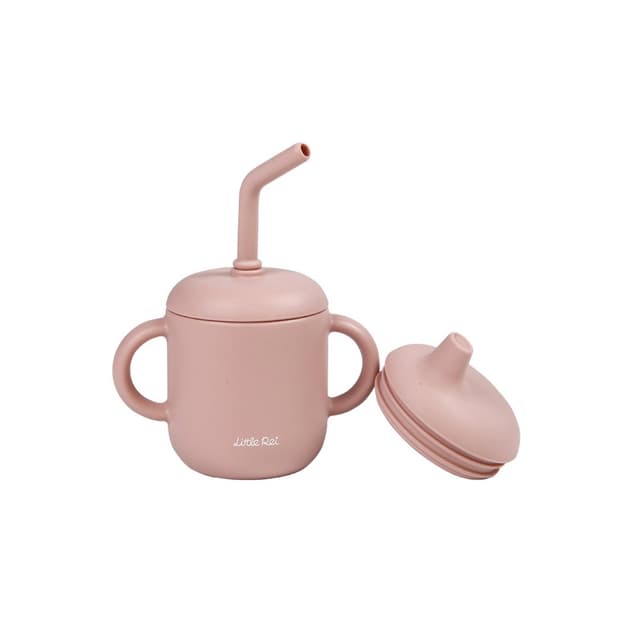 Silicone Multi Use CupS$24.90Shop now
No bottle in the cot. Any age. That one isn't negotiable. Milk pooling round teeth overnight does real damage. It's why dentists see decay in two-year-olds.
Looking after yourself while weaning
Most guides leave this part out. They shouldn't.
Weaning shifts hormones. A lot of mothers feel unexpectedly low, tearful or flat for a week or two after. It's common. It's temporary. Knowing it's coming makes it a lot easier to sit with. It arrives whether or not the weaning was your idea.
There's often a sense of loss too, even in people who were very ready to stop. Both can be true. If the low mood hasn't lifted after a couple of weeks, or it's deep instead of wistful, take it to a doctor. I'd expect it to be recognised straight away. Not my area, though.
Straight answers
When should I start weaning my baby onto solids?
At around six months, and judged by three signs and not by the calendar: sitting with support and holding the head steady, coordinating eye, hand and mouth, and being able to swallow food, no longer pushing it back out.
Should I delay allergens like peanut and egg?
No. Current guidance is the opposite of older advice. Introduce common allergens from around six months, one at a time, at home and earlier in the day, then keep them in the diet regularly. Seek advice first if your baby has severe eczema or a known allergy.
How do I stop breastfeeding without engorgement?
Drop one feed at a time, waiting several days to a week between each. Express only enough for comfort, never emptying fully, and use cold compresses. A hard, red, painful area with flu-like symptoms is mastitis and needs prompt medical care.
When should a baby stop using a bottle?
Usually phased out from around twelve months. Introduce an open cup from six months so it's familiar, drop daytime bottles before the bedtime one, and never put a baby to bed with a bottle.
This guide is general information, written to help you understand a topic and ask better questions. It is not medical advice and does not replace your own doctor, midwife or paediatrician. Anything that worries you about your baby belongs with them.