

Play & development
Play, language and how babies learn
There is a quiet pressure on new parents to be running a curriculum, and it is largely unnecessary. Free, child-led play is the main mechanism by which young children learn; most of what is sold as enrichment is sold to parents rather than to children.
These guides take that seriously without being dismissive. Where something works, and reading daily from birth, face-to-face exchange in the first months, repeated low-pressure exposure, we say what the evidence shows. Where the marketing outruns the research, as with baby sign and cognitive claims, we say that too.
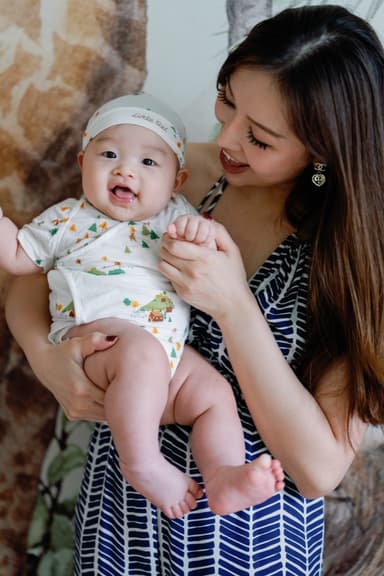 Why Babies Love Looking at FacesThe preference for faces is present at birth, before there's time to learn it. What she can see, what the still-face experiment shows, and how to use it.
 Why Just Play Is More Than OkayFree play is the main mechanism by which young children learn. What it builds, why the toy that does less works better, and how little a parent should join in.
 The Importance of Reading to Your Baby + 10 Best BooksAlmost none of the benefit is comprehension. What reading gives a baby, how it changes by age, ten books that hold up, and reading in two languages.
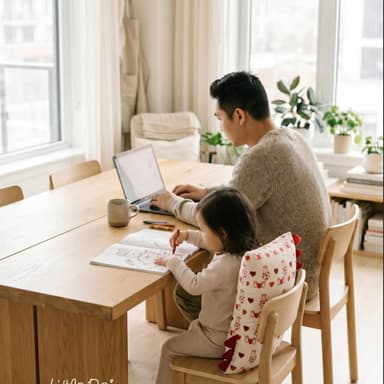 Coloring WITHOUT the Lines Is Best for Your BabyColouring books are almost exactly backwards for an under-four. What scribbling is, what to say about a drawing, and what comes before crayons.
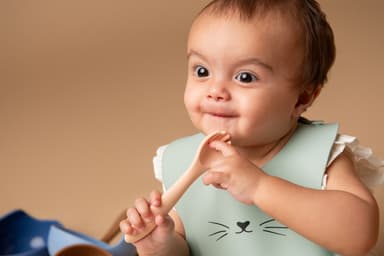 Teaching My Child Sign LanguageA randomized trial found no advantage for speech. What signing does do, which language to use, the five signs to start with, and what usually goes wrong.
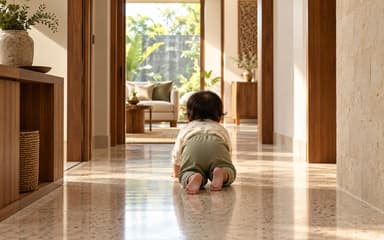 Marking Milestones in Your Baby's First YearCharts are averages, so half of all typical babies are behind them. The real ranges, the signs to raise, and the milestones nobody charts.
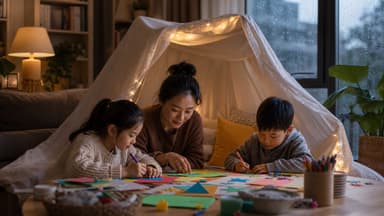 Rainy Day Activities for ToddlersA flat, a toddler and four hours of rain. What burns energy, what buys twenty minutes, and how to use the warm rain itself.
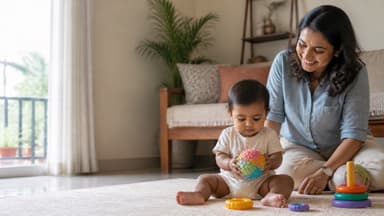 Stuck at Home? 10 Boredom Busters for Young ChildrenTen things you can start in sixty seconds with what's already in the flat, with the age each suits and roughly how long it buys you.
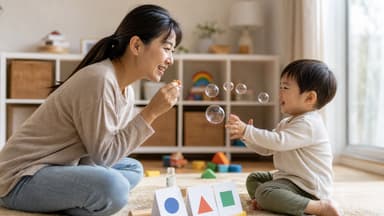 Why Do Babies Babble? A Guide to First WordsBabbling is rehearsal, not noise. The stages, what helps, and why I'd get an assessment early even when everyone tells you to wait and see.
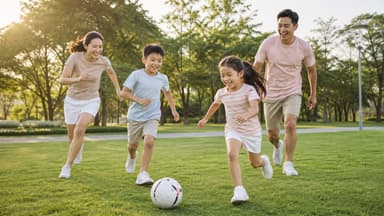 The Benefits of Yoga for KidsWhat kids' yoga builds, from a physiotherapist: balance, core strength, crossing the midline, and breathing you teach as a game.